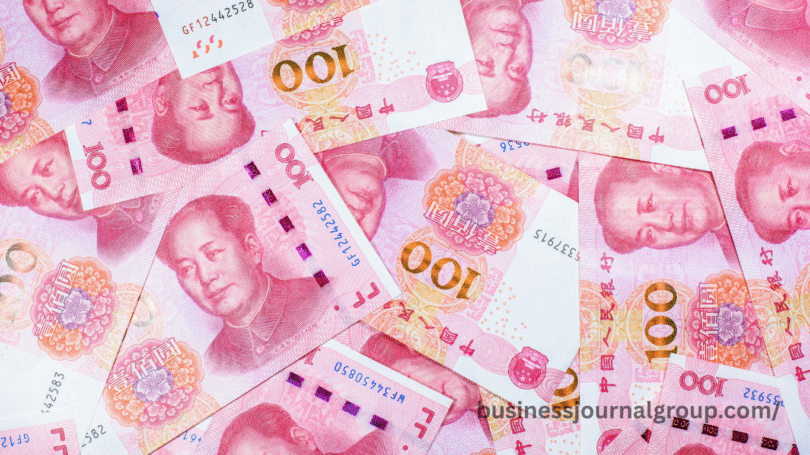

The Chinese Yuan dropped sharply to 7.15 per USD this July, unsettling global currency markets and triggering fresh concerns about China’s economic direction. As one of the most closely watched currency moves in recent months, the fall adds pressure to China’s monetary policy amid sluggish post-pandemic recovery and geopolitical headwinds.
Market watchers and policymakers are now questioning whether this marks a turning point for Asia’s largest economy or a calculated step to boost exports. Either way, the Yuan’s devaluation is not just a regional issue it reverberates across trade, inflation, and global capital flows.
With China’s economic decisions influencing everything from commodity prices to emerging markets, understanding the reasons behind this FX alert is vital. Let’s examine why the Yuan has declined, what this means globally, and what may come next in this volatile economic cycle.
What Caused the Yuan to Fall to 7.15?
Several economic and geopolitical forces are expected to drive the decline of the Chinese Yuan in 2025. These include:
Weakening Economic Growth in China
China’s post-COVID rebound is losing momentum. Industrial output, real estate investments, and domestic demand are underperforming projections. Despite government stimulus, consumer confidence remains fragile.
Slower GDP growth weakens foreign investor appetite for Chinese assets, reducing demand for the Yuan and contributing to its depreciation.
U.S. Dollar Strength
The U.S. Federal Reserve has maintained high interest rates through 2025 to combat sticky inflation. This has strengthened the USD against most global currencies, including the Yuan.
The USD’s attractiveness as a safe-haven currency draws capital away from emerging markets, further pressuring the Yuan.
Geopolitical Tensions and Trade Headwinds
Rising U.S.–China tensions over trade, technology restrictions, and Taiwan have re-emerged as flashpoints in 2025. These factors increase market uncertainty and reduce investor confidence in Chinese assets.
Exporters and multinational corporations are hedging their exposure to Yuan-denominated assets, accelerating their decline.
Central Bank Intervention Strategy
The People’s Bank of China (PBoC) appears to be tolerating or even encouraging Yuan depreciation. This strategy can help boost exports by making Chinese goods cheaper abroad.
However, such moves can also trigger concerns about capital flight and invite foreign criticism, especially from trading partners such as the U.S. and the EU.
Impact on China’s Economy
The fall of the Yuan has both benefits and risks for China’s economic outlook.
Short-Term Export Boost
A weaker Yuan makes Chinese goods more competitive internationally. This can temporarily stimulate export-led growth and provide a buffer against sluggish domestic demand.
Import Cost Pressures
China heavily relies on imported raw materials and energy. A weaker Yuan raises the cost of imports, particularly oil and semiconductors, potentially stoking inflation within the country.
Capital Outflows and Investor Confidence
Falling currency values often trigger capital flight. Investors may fear further depreciation and shift funds out of Yuan-denominated assets into more stable currencies or regions, such as the U.S. or Europe.
Impact on Global Financial Markets
Emerging Market Turbulence
The Yuan’s weakness can destabilize other Asian and emerging market currencies. Countries with strong trade links to China may experience spillover effects as investors reassess risk premiums.
Global Trade Balance Shifts
A weaker Yuan may widen China’s trade surplus with major partners, inviting criticism and potential trade barriers. This could reignite trade tensions globally.
Commodity Market Repricing
China is a major buyer of global commodities. A depreciated Yuan could reduce its purchasing power, lowering demand for oil, metals, and agricultural products, triggering broader market adjustments.
Is the Yuan Headed for More Weakness?
Analyst Forecasts
Top financial institutions, including HSBC, Goldman Sachs, and Nomura, project that the Yuan may weaken further if macroeconomic conditions remain strained. Some forecasts suggest the Yuan could touch 7.20 by Q4 2025 unless decisive action is taken.
Factors to Watch
- U.S. monetary policy shifts
- China’s stimulus measures
- Geopolitical escalation or resolution
- Export performance trends
While short-term direction remains volatile, medium-term stability depends on China restoring investor confidence and achieving economic rebalancing.
Read More: Tesla Sales Crash 60% in Sweden, Denmark – 2025 Shock Data
How Is the Chinese Government Responding?
The Chinese authorities have signaled cautious acceptance of Yuan depreciation but are actively monitoring outflows and speculative pressures.
Policy Tools in Use
- Setting daily midpoint rates to guide trading bands
- State-owned bank intervention in offshore markets
- Capital controls and restrictions on FX conversions
So far, the PBoC’s strategy seems aimed at managing the decline without spooking markets, though this tightrope walk grows riskier by the week.
What Should Businesses and Investors Do?
For Exporters
Chinese exporters may benefit in the short term from a weaker Yuan, but should hedge against currency volatility to protect profit margins.
For Importers
Companies importing goods into China should reassess pricing structures and FX risk exposure, especially in the tech and energy sectors.
For Global Investors
International investors should watch for:
- Currency-hedged China ETFs
- Diversification across Asia
- Monitoring capital control risks
Careful portfolio rebalancing can help mitigate the fluctuations of the Yuan while still accessing growth in Asia’s largest market.
Frequently Asked Questions
What caused the Chinese Yuan to fall in July 2025?
The Yuan fell due to China’s weakening economic data, strong U.S. dollar, trade tensions, and apparent policy tolerance for currency depreciation.
Is the Yuan expected to weaken further in 2025?
Yes, analysts predict further depreciation unless China implements stronger monetary or fiscal interventions to stabilize the economy.
How does the Yuan’s fall affect global markets?
It affects global trade, triggers currency volatility in emerging markets, and may lower demand for global commodities due to reduced purchasing power in China.
Will a weaker Yuan help China’s exports?
Yes, a lower Yuan value makes Chinese goods cheaper overseas, offering short-term export advantages.
How can businesses hedge against Yuan volatility?
Use forward contracts, currency options, and FX-hedged investment products to manage exposure to Yuan/USD movements.
Does the Yuan’s fall increase inflation in China?
Yes, as import prices rise, inflationary pressures build within China, especially in energy and tech-related sectors.
Is the Yuan a freely traded currency?
Not fully. The Yuan is managed through a controlled floating exchange rate by the People’s Bank of China, with daily midpoint settings and intervention tools.
How does the Yuan affect U.S.–China relations?
Currency depreciation can strain trade relationships, as the U.S. may view it as an attempt to gain an unfair trade advantage, reviving past tensions.
Conclusion
The fall of the Chinese Yuan to 7.15 vs USD in July 2025 is a critical signal in the global financial system. It reflects economic uncertainty, policy shifts, and broader geopolitical dynamics. While it yields short-term benefits for exports, it raises more profound concerns about China’s growth trajectory and global stability. Market participants must stay vigilant and responsive to further movements in this closely watched currency.