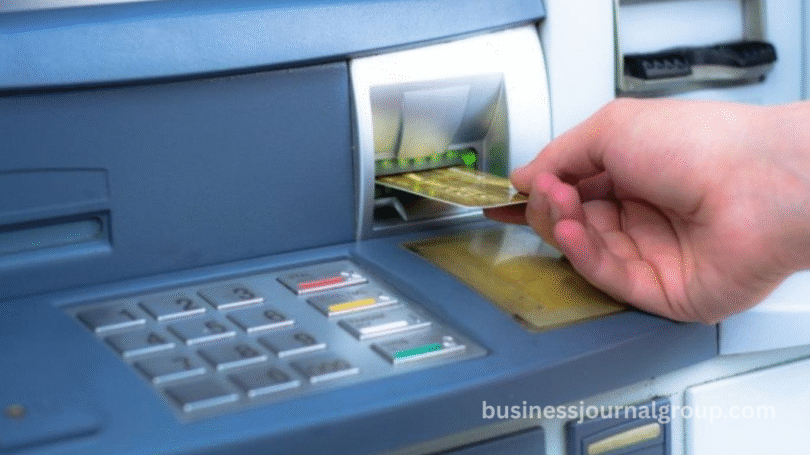

ATM withdrawal fees in Pakistan have just surged by 50%, sending ripples through an already strained financial system. For millions of everyday users who rely on cash machines to access their funds, this hike feels like a direct hit to their pockets. Whether withdrawing money for groceries or paying monthly bills, the new fee structure is poised to impact routine financial behavior across the country.
This development is part of broader cost adjustments by banks and financial institutions in response to inflation, regulatory reforms, and operational costs. While banks defend the increase as necessary for sustainability, consumers argue it disproportionately affects middle and lower-income segments.
As Pakistan navigates a delicate economic path, the increased ATM fees reflect deeper structural challenges in the financial sector, raising questions about accessibility, affordability, and financial inclusion in the digital age.
ATM Withdrawal Fees Hiked: What’s Changed?
The recent hike in ATM withdrawal fees applies to interbank transactions when users withdraw money from an ATM that doesn’t belong to their own bank. Previously, the standard fee per transaction was PKR 18.40 including tax. With the 50% increase, the new fee rises to approximately PKR 27.60.
This change came into effect following a circular issued by the State Bank of Pakistan (SBP), which permits banks to revise service charges based on inflation and operational costs. The fee increase is meant to compensate banks for maintaining and upgrading ATM infrastructure, electricity expenses, cash handling, and enhanced cybersecurity requirements.
While in-bank transactions remain largely unaffected, the reliance on ATMs especially in remote or underserved regions makes this increase more impactful for daily wage earners and salaried individuals.
Why Are ATM Fees Increasing in Pakistan?
Economic Inflation and Operational Costs
Pakistan has been battling high inflation, currently hovering around 20% annually. Banks cite rising costs for cash replenishment, electricity, and ATM maintenance as primary drivers behind the fee hike. Given that over 16,000 ATMs operate across the country, managing this network requires significant investment.
Digital Banking Push vs. Cash Dependency
Despite a national push toward digital banking, over 60% of Pakistanis still prefer cash-based transactions. Until mobile banking becomes more accessible and trusted, ATMs remain a lifeline. Banks see the ATM fee hike as a way to balance physical and digital channel costs.
Currency Handling and Security Measures
Maintaining ATMs involves regular cash replenishment, armored vehicle fleets, 24/7 surveillance, and technical upgrades. Additionally, banks must comply with regulatory standards for cybersecurity, especially after increased ATM fraud cases. These layers of protection require investment that is now partially passed on to consumers.
Impact on Daily ATM Users
The increase in ATM withdrawal fees disproportionately affects low- and middle-income individuals. For people earning minimum wage or working informal jobs, even a PKR 10 increase per transaction adds up significantly over time.
Read More: Chinese Yuan Falls to 7.15 vs USD – 2025 FX Alert
Reduced Access for Rural Populations
Rural and remote areas of Pakistan often have limited bank branches, forcing users to rely heavily on ATMs. With fewer machines and higher costs, many will reconsider frequency of withdrawals or shift to informal cash providers.
Strain on Freelancers and Gig Workers
Pakistan’s growing gig economy including freelancers, delivery riders, and home-based workers depends on instant cash access. Increased ATM fees may push these workers toward third-party platforms or encourage hoarding cash, undermining financial system participation.
How Banks Justify the Fee Hike
Banking officials argue that the hike is modest relative to global standards. In developed economies, ATM withdrawal fees can range from $2 to $5 per transaction, depending on bank affiliations. In Pakistan, banks still offer free withdrawals within their own network, which users are encouraged to utilize.
Additionally, banks assert that the increase is necessary to sustain ATM expansion and modernization projects. Features like biometric verification, 24-hour operation, and multilingual interfaces require constant upgrades.
What the State Bank of Pakistan Says
The SBP has approved the revised fee structure but emphasized consumer protection. Banks must display fee information clearly at ATM kiosks and on digital channels. Any unauthorized deductions or hidden charges will be penalized under SBP compliance rules.
Furthermore, the central bank encourages banks to enhance financial literacy campaigns so that customers understand how to minimize interbank fees for example, by planning fewer, larger withdrawals or using mobile banking apps.
Consumer Reactions and Public Backlash
Social media platforms are flooded with reactions from frustrated users. Many question the timing of the increase when the cost of living is already skyrocketing. Some express fears that this is the first of several banking service hikes to come.
Calls for Transparency and Accountability
Consumer advocacy groups demand greater transparency in how fees are calculated and used. There are also growing calls for SBP to cap such charges or subsidize access for low-income users.
Alternatives to ATM Withdrawals
As ATM fees rise, many users are exploring alternatives:
- Mobile Wallets: Apps like JazzCash and Easypaisa offer in-store payments, transfers, and bill payments without requiring ATM access.
- Banking Apps: Most banks offer apps with QR code payment options, direct transfers, and account management.
- POS Withdrawals: Some retail stores allow cash withdrawals via debit cards at point-of-sale machines with lower or no fees.
These options, however, require internet access and digital literacy, which still lag in rural areas.
Is This the Beginning of More Charges?
Many experts believe the ATM fee hike could signal a broader trend. Banks may soon revise charges for balance inquiries, mini-statements, or over-the-counter services. As financial institutions adapt to digital transformation, traditional services are becoming costlier to maintain.
Frequently Asked Questions
What is the new ATM withdrawal fee in Pakistan?
As of July 2025, the interbank ATM withdrawal fee has increased to approximately PKR 27.60 per transaction, up from PKR 18.40.
Does the fee apply to all ATM transactions?
No, the fee applies to interbank ATM withdrawals when you use an ATM belonging to a bank other than your own. Withdrawals from your own bank’s ATM remain free.
Why did Pakistan increase ATM fees now?
The increase is due to rising operational costs, inflation, and maintenance expenses for ATM networks. Banks argue it helps sustain infrastructure and improve services.
Are there ways to avoid paying ATM fees?
Yes. Use ATMs from your own bank whenever possible. You can also reduce frequency by making fewer, larger withdrawals, or use mobile and online banking options.
How does Pakistan’s ATM fee compare globally?
Pakistan’s ATM fees are still relatively low compared to many Western countries, where interbank withdrawals can cost between $2 to $5 per transaction.
Are digital banking users affected by this fee hike?
No. If you’re using mobile apps or online transfers, these services are generally unaffected. The fee applies only to physical ATM withdrawals.
Is the State Bank of Pakistan monitoring this hike?
Yes. The SBP has approved the hike but is enforcing transparency rules and ensuring banks do not charge unauthorized fees.
Will more banking service charges increase soon?
It’s possible. As banks invest in digital systems and reduce dependence on physical infrastructure, traditional services like ATM use may incur more charges.
Conclusion
The 50% hike in ATM withdrawal fees in Pakistan is more than just a numbers game it reflects broader challenges in balancing physical and digital banking. While banks point to operational needs, the impact on everyday users is significant, especially for those already burdened by inflation. As financial systems evolve, accessibility, transparency, and affordability must remain at the heart of banking reforms.