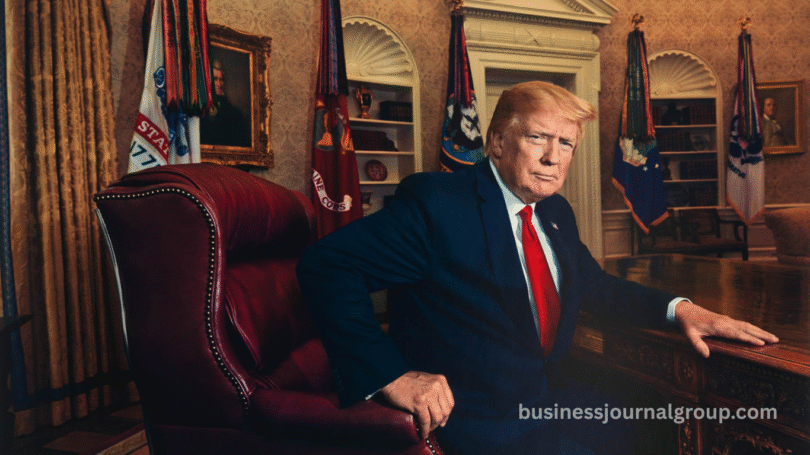

The 2025 presidential election is heating up, and former President Donald Trump is already making bold policy declarations. In a recent campaign rally, Trump threatened a 10% tariff on BRICS allies if he returns to the White House. This announcement has ignited widespread reactions across global markets, geopolitical circles, and American industries.
Trump’s statement targets the growing economic cooperation between Brazil, Russia, India, China, South Africa, and other BRICS-aligned nations. By proposing a blanket tariff, Trump aims to reassert U.S. economic dominance and discourage what he calls “unfair trading practices.”
As the world closely watches the 2025 race, this proposed tariff has sparked debates around protectionism, global trade wars, and the future of American diplomacy. Here’s an in-depth analysis of the implications of Trump’s tariff threat, its potential effects, and how it positions him for the next presidential term.
Understanding Trump’s Tariff Threat
Trump’s threat of a 10% tariff on BRICS allies follows his well-known “America First” policy approach. His administration from 2017 to 2021 was marked by aggressive trade tactics, particularly against China. Now, by targeting BRICS, Trump signals a broader economic pushback against emerging economies challenging U.S. influence.
BRICS has evolved into a powerful coalition that seeks to reduce dependence on Western economic institutions. Trump views this shift as a threat to U.S. hegemony. According to his campaign, a 10% tariff on imports from BRICS-aligned nations would curb what he perceives as deliberate undercutting of American industries.
While supporters claim this strategy will strengthen domestic production, critics argue it could provoke retaliatory tariffs, higher consumer prices, and strained diplomatic ties.
What Are BRICS Allies and Why Do They Matter?
BRICS originally referred to Brazil, Russia, India, China, and South Africa. However, in recent years, the group has expanded its partnerships, inviting countries like Iran, Egypt, Argentina, Saudi Arabia, and the UAE into the fold.
Together, these nations account for:
- Over 40% of the world population
- A significant portion of global GDP
- Increasing influence over global oil and trade flows
Trump’s threat to impose tariffs on these allies stems from concerns that BRICS is creating alternative trade mechanisms, including de-dollarization and independent payment systems. These moves challenge the U.S.-dominated global financial order.
Targeting BRICS allies means disrupting trade relations with countries that have become essential to global supply chains, including key commodities such as oil, rare earth minerals, and agricultural products.
Economic Impacts of a 10% Tariff
A 10% tariff on BRICS countries would immediately affect import prices in the U.S. Consumers could see higher prices on goods like electronics, oil, fertilizers, and raw materials.
Economists warn that such tariffs might:
- Lead to inflationary pressure
- Hurt American manufacturers dependent on global supply chains
- Trigger a trade war with economic powerhouses like China and India
Undermine trust among allies like Brazil and South Africa
On the flip side, Trump argues that tariffs will encourage domestic production, reduce reliance on adversaries, and bring jobs back to American soil. He claims his tariff policies during his first term led to economic gains, though economists continue to debate those claims.
Global Reactions and Geopolitical Fallout
The global reaction to Trump’s threat has been swift. Chinese state media labeled the policy “provocative,” while Indian officials expressed concern about deteriorating trade ties. European allies are also closely watching, fearing that this could reignite a global trade war.
BRICS countries have responded by accelerating talks to build alternative financial systems. Russia and China, in particular, have pushed for a common digital currency and BRICS-led trade frameworks.
If enacted, a 10% tariff could:
- Push BRICS nations closer together
- Reduce Western influence in emerging markets
- Diminish U.S. credibility in international negotiations
- Political Strategy Behind the Threat
Trump’s tariff proposal is not just economic it’s deeply political. By targeting BRICS allies, he appeals to:
- Blue-collar voters in the Rust Belt
- Nationalists who support protectionist trade
- Voters frustrated with globalization
His campaign portrays BRICS as a threat to American workers, invoking fears of job outsourcing and foreign competition. This messaging strategy could rally his base, particularly in key swing states that determined the 2016 and 2020 elections.
However, moderate voters and internationalist Republicans remain skeptical. The broader Republican Party is divided on whether such protectionist policies benefit long-term U.S. economic interests.
Historical Context: Trump’s Trade Legacy
During his first term, Trump implemented significant tariffs on Chinese goods, sparking a prolonged trade war. Key moments included:
- 25% tariffs on $250 billion worth of Chinese imports
- Retaliatory tariffs on U.S. soybeans and pork
- Strained relations with WTO partners
While the tariffs led to some reshoring of supply chains, they also caused economic uncertainty. Many American farmers and businesses suffered losses due to reduced exports and higher input costs.
Trump’s 2025 tariff proposal is seen as a continuation and escalation of this strategy, now targeting a larger and more diverse group of countries.
Potential Legal and Trade Challenges
Implementing a 10% tariff across a wide array of BRICS countries will face significant legal and logistical hurdles. The World Trade Organization (WTO) limits such blanket tariffs without proper justification. Trump may invoke national security, as he did with steel and aluminum in 2018.
However, international legal experts caution that:
- WTO cases could take years to resolve
- U.S. exporters could face retaliatory measures
- U.S. allies may file complaints or withdraw support
This scenario risks isolating the U.S. from global trade partnerships and could harm American credibility in multilateral institutions.
Business and Industry Reactions
U.S. industries are divided on Trump’s proposal. The manufacturing sector may welcome tariffs as protection against cheaper imports. However, tech, agriculture, and retail industries rely heavily on supply chains tied to BRICS countries.
The U.S. Chamber of Commerce warned that:
“Broad-based tariffs risk harming U.S. competitiveness, raising prices for consumers, and inviting unnecessary trade conflicts.”
On Wall Street, markets reacted cautiously, with global stocks dipping slightly after Trump’s statement. Analysts are bracing for volatility, particularly in sectors exposed to international trade.
Frequently Asked Questions
What did Trump say about BRICS tariffs?
Trump proposed a 10% tariff on all BRICS allies if elected in 2025. He cited the need to protect American industries and counter the growing influence of the BRICS economic alliance.
Who are the BRICS allies affected by this tariff threat?
In addition to the core BRICS nations (Brazil, Russia, India, China, South Africa), allies like Iran, Egypt, Argentina, Saudi Arabia, and the UAE could be targeted.
How would a 10% tariff impact U.S. consumers?
It would likely increase prices on goods imported from BRICS countries, including electronics, oil, cars, and essential commodities.
Could this lead to a global trade war?
Yes. Tariffs often invite retaliatory measures. BRICS countries may impose their own tariffs on U.S. goods, leading to trade disruptions.
Is this tariff proposal legal under WTO rules?
It may be challenged at the WTO. Trump could try to justify it under national security clauses, but legal hurdles are expected.
How would BRICS respond to this move?
They may accelerate de-dollarization efforts, expand internal trade, and deepen economic integration to reduce reliance on the U.S.
Has Trump used tariffs effectively before?
Trump’s 2018-2020 tariffs had mixed results. Some sectors benefited, but others—like agriculture—suffered from reduced exports and supply chain issues.
Could this affect the 2025 election outcome?
Yes. It’s a strong populist message aimed at swing voters. Whether it helps or hurts Trump will depend on how the public perceives the economic risks versus nationalist benefits.
Conclusion
Trump’s 10% tariff threat on BRICS allies in 2025 signals a bold return to protectionist policies and a reshaping of global trade dynamics. As election season intensifies, this move will be closely watched by economists, businesses, and voters alike.