
Vaccines have long played a critical role in protecting public health, especially among children and vulnerable populations. As vaccine science continues to evolve, so does the conversation surrounding vaccine ingredients and their safety. One such ingredient that has sparked widespread debate and misunderstanding is thimerosal.
You may have seen thimerosal mentioned in news headlines, social media posts, or even on medical forums. But what exactly is it? And more importantly, should you be concerned about its presence in vaccines?
This article dives into four essential things to know about thimerosal from its purpose to safety data so you can make informed health decisions based on science, not fear. Let’s clear the air with clarity and confidence.
What Is Thimerosal?
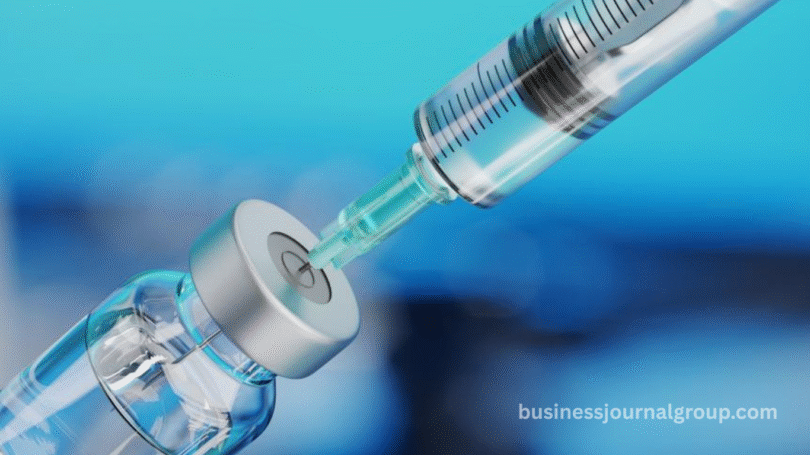
Thimerosal is an organomercury compound used as a preservative in multi-dose vaccine vials to prevent bacterial and fungal contamination. It contains ethylmercury, which is processed differently in the human body compared to the more toxic methylmercury found in certain fish and environmental sources.
Introduced in the 1930s, thimerosal has a long history of use in vaccines, particularly in flu shots and some childhood immunizations. Its effectiveness in keeping vaccines sterile has contributed significantly to public health by reducing infection risks from contaminated vials.
Importantly, thimerosal is not used in all vaccines and has been removed or reduced to trace amounts in most routine childhood immunizations in the U.S. and other countries since the early 2000s.
Why Thimerosal Was Removed from Most Childhood Vaccines
While thimerosal has been deemed safe at the doses used in vaccines, growing public concern in the late 1990s prompted health agencies to act cautiously. The U.S. Public Health Service and the American Academy of Pediatrics jointly recommended reducing or eliminating thimerosal from vaccines as a precautionary measure.
This decision was not based on proven harm but rather aligned with the “precautionary principle” erring on the side of caution when public concern is high, even if scientific evidence does not confirm risk.
Today, most childhood vaccines in the U.S., including MMR, polio, and DTaP, are thimerosal-free. However, some multi-dose vials of the flu vaccine still contain thimerosal to maintain sterility, especially in low-resource settings where single-dose vials are less practical.
Is Thimerosal Safe?
The short answer, based on extensive scientific reviews, is yes. Multiple independent health authorities, including the Centers for Disease Control and Prevention (CDC), World Health Organization (WHO), and U.S. Food and Drug Administration (FDA), have confirmed that thimerosal used in vaccines is safe.
Here’s why:
- Thimerosal contains ethylmercury, which is rapidly broken down and cleared from the body. Unlike methylmercury, it does not accumulate in tissues.
- Numerous studies have shown no link between thimerosal-containing vaccines and autism, a concern that originated from now-discredited research.
- The amount of ethylmercury in vaccines is small—well below safety limits set by regulatory agencies.
In short, scientific consensus supports that the benefits of vaccines far outweigh any theoretical risk from thimerosal exposure.
Current Status of Thimerosal in Vaccines Globally
The use of thimerosal in vaccines varies globally depending on manufacturing practices, availability of single-dose vials, and public health needs. In many developing countries, thimerosal-containing vaccines are still used safely and effectively.
Key facts about current use:
In the United States, most routine vaccines are thimerosal-free or contain only trace amounts.
In seasonal flu vaccines, thimerosal is still present in some multi-dose formulations. Thimerosal-free alternatives are available, especially for children and pregnant women.
The World Health Organization maintains that thimerosal is safe and essential in multi-dose vials to ensure accessibility and reduce vaccine waste.
While efforts continue to develop more single-dose, preservative-free options globally, thimerosal remains an important tool in the global fight against preventable diseases.
Frequently Asked Questions
What is the difference between ethylmercury and methylmercury?
Ethylmercury, found in thimerosal, is cleared from the body quickly and does not accumulate in tissues. Methylmercury, found in some fish, builds up in the body and can be toxic at high levels. The two forms behave very differently, and ethylmercury is considered safe at vaccine-level doses.
Do any childhood vaccines still contain thimerosal?
In the U.S., routine childhood vaccines are either thimerosal-free or contain only trace amounts. The exception may be multi-dose flu vaccines, but thimerosal-free options are widely available.
Does thimerosal cause autism?
No. Extensive scientific studies involving large population groups have found no credible evidence linking thimerosal or any vaccine ingredient to autism. This myth originated from a now-retracted study and has been disproven by numerous peer-reviewed analyses.
Can I request a thimerosal-free flu shot?
Yes. In most countries, you can request a single-dose, thimerosal-free flu vaccine, especially for young children, pregnant individuals, or those who prefer it for personal reasons. Pharmacies and healthcare providers typically stock both versions.
Why is thimerosal still used if it’s controversial?
Despite public concerns, thimerosal is used because it prevents contamination in multi-dose vials, especially in resource-limited settings. Its benefits in preserving vaccine sterility and reducing disease spread outweigh any theoretical risks, according to global health authorities.
Is there a safe level of mercury in vaccines?
Yes. Health agencies have established safety thresholds for mercury exposure. The amount of ethylmercury from vaccines falls well below these thresholds. Thimerosal-containing vaccines are safe for infants, children, and adults.
How do I know if a vaccine contains thimerosal?
Vaccine packaging, package inserts, or your healthcare provider can tell you. You can also check the CDC’s vaccine ingredient list or ask your pharmacist for the thimerosal-free version if available.
What are the alternatives to thimerosal in vaccines?
Single-dose vials do not require preservatives and are the main alternative. Other preservatives or newer formulations are also being researched to replace thimerosal, but widespread replacement remains a logistical challenge in some regions.
Conclusion
Understanding the role of thimerosal in vaccines helps dispel myths and encourages informed health choices. Scientific evidence consistently confirms its safety and effectiveness, especially where multi-dose vaccines are needed. While thimerosal has been removed from most childhood vaccines in developed countries, it remains a crucial preservative in others, ensuring vaccines stay safe and sterile.