
Imagine walking down a city street in 2025, the air crisp yet invisible dangers linger. Air pollution, once considered a general health nuisance, has evolved into a confirmed catalyst for cancer, especially lung cancer.
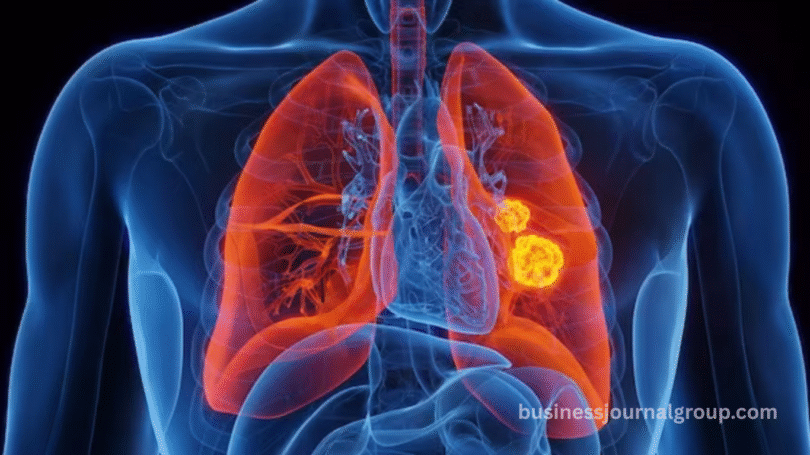
In recent studies, scientists have found compelling evidence that the DNA of lung cells can be altered by prolonged exposure to airborne toxins. These mutations mimic those found in lung cancer patients, confirming a chilling link between the environment and our most vital organ.
As global industrialization intensifies and urban sprawl expands, understanding the connection between air pollution and cancer is no longer optional. It’s crucial for public health, policymaking, and personal lifestyle decisions in our increasingly polluted world.
The Alarming Rise of Air Pollution in 2025
Air quality in 2025 has reached critical levels in many urban areas. Satellite data and real-time air monitoring show record levels of particulate matter (PM2.5 and PM10), nitrogen dioxide (NO2), sulfur dioxide (SO2), and ozone (O3).
These pollutants originate from vehicle emissions, fossil fuel combustion, industrial waste, and even wildfires. Rapid urbanization and unchecked development in many countries have significantly worsened the situation.
While climate change remains a headline concern, the immediate health impacts of polluted air are now impossible to ignore. Research shows people exposed to these pollutants are at an increased risk of respiratory diseases, heart problems, and most notably, cancer.
Understanding the Link Between Air Pollution and Lung Cancer
The World Health Organization (WHO) has long classified outdoor air pollution as a Group 1 carcinogen, the highest risk category. But now, in 2025, the understanding goes deeper. Scientists are uncovering how pollutants don’t just inflame lung tissue they directly damage DNA in lung cells.
This damage doesn’t heal. Instead, it accumulates over time, leading to mutations that resemble those found in smokers. Astonishingly, many non-smokers diagnosed with lung cancer today have lived for decades in high-pollution zones.
PM2.5, the finest form of particulate matter, is especially dangerous. It penetrates deep into the lungs, embeds itself in tissue, and triggers chronic inflammation. This ongoing stress environment leads to cellular errors and mutations a precursor to cancer.
How DNA Mutations Occur from Air Pollution
Pollutants act as mutagens. When inhaled, they introduce reactive oxygen species (ROS) into the lungs, leading to oxidative stress. This stress affects the body’s ability to repair DNA damage.
As the natural repair mechanisms become overwhelmed, the DNA replication process becomes error-prone. Over time, the accumulation of these errors can activate oncogenes or deactivate tumor-suppressor genes—both key contributors to cancer development.
Additionally, new research in 2025 has identified specific mutation patterns unique to air pollution exposure. These “fingerprints” allow scientists to trace the origin of some lung cancers directly back to environmental pollutants.
Geographic Hotspots: Where the Risk Is Highest
In 2025, the regions with the highest pollution-related cancer risk include:
- South and Southeast Asia: Dense populations, traffic congestion, and coal usage
- China and India: Industrial growth zones with lax emissions controls
- Parts of Africa: Urban centers with poor regulation and rising vehicle numbers
- Major cities in the U.S. and Europe with persistent traffic and heating emissions
Urban dwellers are particularly vulnerable. Even indoors, harmful particles can infiltrate through windows and ventilation systems.
These hotspots often overlap with economically disadvantaged areas, highlighting the socio-environmental inequality of pollution-linked cancer risks.
The Human Cost: Non-Smokers at High Risk
Traditionally, lung cancer has been associated with tobacco use. But in 2025, a growing number of lung cancer patients are lifelong non-smokers. Air pollution has emerged as a key driver of these unexpected diagnoses.
Women, children, and the elderly are disproportionately affected. Children’s developing lungs are more susceptible to damage, while older adults have weakened immune responses that can’t fend off pollution’s effects.
Read More: US Measles Cases Surge in 2025 After ‘Elimination’ Claim
Moreover, people with pre-existing respiratory conditions like asthma or chronic bronchitis face compounded risks. Living in polluted areas accelerates disease progression and increases cancer susceptibility.
Government Response and Global Policies
Governments worldwide are beginning to respond, but progress is uneven. The European Union has strengthened air quality regulations, and countries like the Netherlands are investing in green infrastructure and electric transport.
China has committed to net-zero emissions by 2060 and has seen modest air quality improvements since implementing stricter industrial standards.
However, enforcement remains a challenge in many developing regions. Lack of infrastructure, corruption, and economic dependencies on polluting industries slow meaningful change.
Globally, the focus is shifting toward early detection and prevention strategies, including air purification in schools and workplaces, green urban planning, and health awareness campaigns.
Innovations in Detection and Prevention
Science in 2025 has made strides in early cancer detection and air monitoring. AI-powered diagnostic tools can now detect lung cancer mutations in blood samples (liquid biopsies) before tumors form.
Wearable air quality monitors allow individuals to track daily exposure, making informed decisions about outdoor activities and ventilation at home.
Cities are deploying smart air filtering systems and green corridors that use plant life to absorb pollutants. Electric vehicle incentives are helping reduce tailpipe emissions, though widespread adoption is still in progress.
Additionally, genetic research is enabling doctors to identify individuals with high vulnerability to pollution-induced DNA mutations, allowing for personalized preventative care.
What Can You Do to Protect Yourself?
While systemic change takes time, individuals can take proactive steps to reduce their risk:
- Monitor local air quality using apps and wearables
- Use HEPA filters at home and keep windows closed on high pollution days
- Wear certified masks (N95 or better) during outdoor exposure
- Avoid high-traffic areas when exercising or commuting
- Support and vote for clean air initiatives in your community
Regular health screenings and awareness of early lung cancer symptoms can also lead to earlier interventions, significantly improving outcomes.
Frequently Asked Questions
Can air pollution cause cancer even if I don’t smoke?
Yes, many lung cancer cases now occur in lifelong non-smokers, especially in polluted urban areas.
What are the most dangerous air pollutants linked to cancer?
PM2.5, nitrogen dioxide, sulfur dioxide, and ozone are the most harmful, particularly PM2.5.
How do air pollutants damage DNA?
Pollutants cause oxidative stress and inflammation, overwhelming the DNA repair system and leading to mutations.
Is indoor air pollution also a risk?
Yes, especially from cooking fumes, cleaning products, and infiltrating outdoor pollutants.
Are children more at risk from polluted air?
Absolutely. Their lungs are still developing, making them more vulnerable to damage and long-term consequences.
Can lung cancer be detected early in pollution-exposed individuals?
Yes. Advances like liquid biopsies and AI diagnostics in 2025 are improving early detection.
How can I reduce my exposure daily?
Use air purifiers, avoid peak traffic zones, check air quality apps, and wear protective masks when needed.
Which countries have the worst air pollution-linked cancer rates?
India, China, Pakistan, and parts of Africa currently report the highest pollution-related cancer risks.
Conclusion
Air pollution in 2025 poses a serious and direct threat to lung health, now proven to cause DNA mutations linked to cancer. With growing evidence connecting pollution to non-smoker lung cancer cases, addressing this crisis is critical. Action from governments, communities, and individuals is more urgent than ever.