
In a groundbreaking advancement for genetic disease research, scientists have significantly improved liver organoids, offering new hope in the battle against hemophilia. These miniature, lab-grown replicas of the human liver are opening fresh pathways in personalized medicine and regenerative therapies.
With hemophilia affecting thousands globally, and current treatments relying heavily on regular infusions and gene therapy, the demand for more accurate, human-relevant testing platforms has never been higher. Enhanced liver organoids now deliver the precision researchers need to better understand the disease at its cellular core.
This innovative leap isn’t just a technical upgrade it’s a paradigm shift. By refining how liver cells grow and function in vitro, scientists are transforming how we study, diagnose, and potentially treat bleeding disorders like hemophilia in the near future.
What Are Liver Organoids?
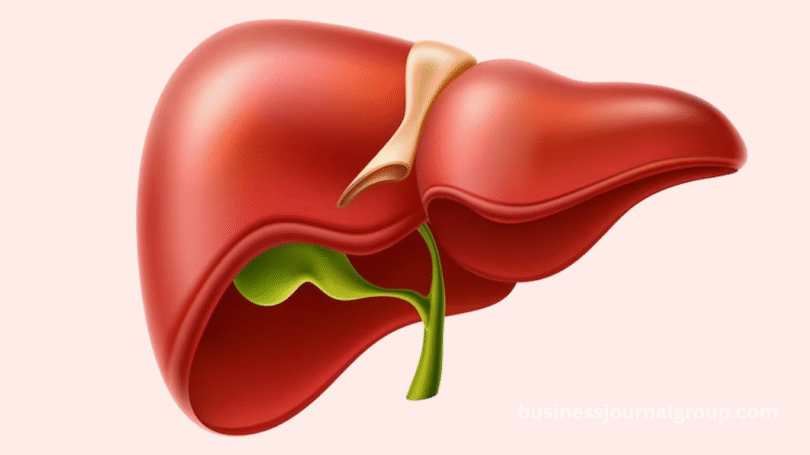
Liver organoids are three-dimensional clusters of liver cells cultured in laboratory environments to mimic the architecture and functionality of the human liver. Derived from pluripotent stem cells or primary liver tissue, they reproduce key hepatic features such as metabolism, detoxification, and protein synthesis.
These organoids serve as powerful models for studying liver diseases, including genetic disorders, viral infections, and drug-induced toxicity. For hemophilia research, where the liver’s ability to produce clotting factors is critical, organoids provide an invaluable tool.
By mimicking a real liver’s environment, these organoids enable more reliable testing and drug screening, while reducing dependence on animal models. This ethical, human-relevant method enhances translational potential in clinical trials.
How Liver Organoids Are Improved
Enhanced Cellular Complexity
Recent breakthroughs allow scientists to cultivate organoids that more closely resemble full-sized livers. By incorporating various liver cell types such as hepatocytes, cholangiocytes, and Kupffer cells, organoids now display better structural and functional fidelity.
Long-Term Stability
Improvements in the nutrient composition of growth media and biomimetic scaffolding have led to more stable and viable liver organoids. These can now maintain liver functions for extended periods, essential for chronic disease studies like hemophilia.
Genetic Editing Integration
Using CRISPR/Cas9 technology, researchers can now introduce or correct hemophilia-associated gene mutations directly within liver organoids. This precise manipulation allows for personalized disease modeling and therapy validation.
Vascularization and Perfusion
Some models are incorporating microfluidics to simulate blood flow and liver vasculature, significantly enhancing the physiological relevance. For hemophilia research, this mimics the clotting factor delivery process more realistically.
Scalable Production
Advancements in bioreactor systems have made it possible to grow liver organoids at scale, which is vital for high-throughput screening and preclinical studies. Consistent batches also support regulatory acceptance and commercial drug development.
Importance of Liver Organoids in Hemophilia Research
Hemophilia primarily stems from deficiencies in clotting factors VIII or IX, which are synthesized in liver cells. Accurate modeling of these processes is crucial for developing effective treatments.
Read More: Chocolate Snack Slashes Cholesterol in 2025 with 2 Ingredients
Improved liver organoids help scientists:
- Study how specific mutations affect clotting factor production
- Test gene therapies in a patient-specific context
- Predict individual responses to treatment
- Identify off-target drug effects early
They bridge the gap between animal models and human biology, offering more predictive data that accelerates the translation of therapies from lab bench to bedside.
Organoids vs. Traditional Models
Animal Models
Animal testing has long been a staple in hemophilia research, but species differences limit the relevance of results. For instance, clotting factor expression and metabolism differ between rodents and humans.
2D Cell Cultures
While flat cultures are easier to handle, they fail to capture the complexity of liver tissue architecture. Organoids provide a 3D context where cellular interactions and microenvironments more accurately mimic the in vivo liver.
Advantages of Organoids
- Human-relevant data
- Ethical and sustainable
- Personalized and scalable
- Enhanced reproducibility
The Role of Gene Therapy Testing
Gene therapy offers a potential cure for hemophilia, but ensuring safety and efficacy is paramount. Improved liver organoids serve as preclinical platforms where vectors can be tested for:
- Efficient gene delivery
- Stable expression of clotting factors
- Immunogenic responses
- Off-target effects
This allows for safer clinical trial designs and faster regulatory approval.
Applications Beyond Hemophilia
Though the focus is on hemophilia, the implications of improved liver organoids extend to a wide range of liver-related conditions:
- Hepatitis B and C: Modeling infection and drug resistance
- Cirrhosis and fibrosis: Studying tissue scarring and regeneration
- Liver cancer: Personalized tumor modeling
- Drug metabolism: Predicting pharmacokinetics and toxicology
This multi-disease utility makes organoids an indispensable tool in modern biomedical research.
Challenges and Future Directions
While the progress is impressive, several challenges remain:
- Standardization: Variability in protocols leads to inconsistent results across labs.
- Cost: High production costs limit widespread use.
- Complexity: Integrating more liver-specific functions and immune components is still in early stages.
Future research will focus on improving reproducibility, reducing cost through automation, and integrating AI for predictive modeling. The end goal is to create liver organoids that fully replicate native liver functions for clinical-grade testing and regenerative therapy.
Frequently Asked Questions
What are liver organoids and how are they made?
Liver organoids are lab-grown 3D structures mimicking liver tissue. They are typically created from stem cells or primary liver cells using growth factors and scaffolds to guide differentiation.
Why are liver organoids important in hemophilia research?
They allow researchers to study clotting factor production and genetic mutations in a human-like setting, improving drug testing and gene therapy accuracy.
How do liver organoids differ from real livers?
While they replicate many liver functions, organoids are smaller and less complex. However, new improvements are narrowing the gap significantly.
Can liver organoids replace animal testing?
In many cases, yes. They provide more relevant human data and reduce ethical concerns, although full replacement requires further advancements.
Are liver organoids used in current hemophilia treatments?
Not yet clinically, but they are instrumental in preclinical testing, therapy development, and understanding disease mechanisms.
How do gene therapies benefit from liver organoids?
They help validate gene delivery methods, assess long-term expression, and identify potential immune reactions before human trials.
What are the limitations of liver organoids?
Current limitations include cost, standardization, and the absence of full liver complexity, like blood vessels and immune interactions.
How close are we to using liver organoids for personalized hemophilia care?
With current advancements, personalized modeling and drug testing using patient-derived organoids is within reach in the next few years.
Conclusion
Improved liver organoids are reshaping how scientists approach hemophilia research, offering unparalleled accuracy and human relevance. As innovation continues, these bioengineered tissues could become central to personalized medicine, safer drug development, and future gene therapy solutions.