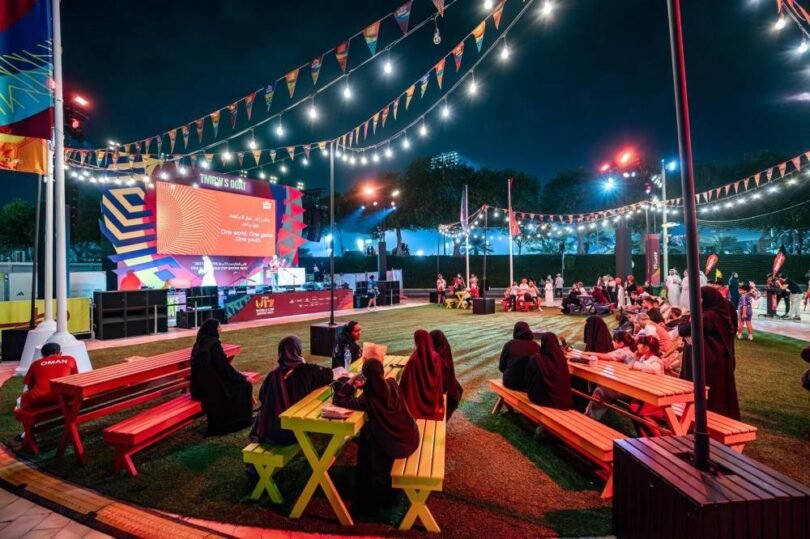

In World Cup month, the most influential “stadiums” are sometimes tiny: a corner TV shop, a narrow café, or a one-room bar where the whole neighbourhood gathers. These spaces do not change tactics on the pitch, but they change how fans experience pressing, momentum, and performance by turning every live broadcast into a shared event that pulses through the local economy.
Why Small Community Venues Create a Different Way of Watching
A match watched in a small local venue feels more compressed than one watched at home or in a big mall. The screen is closer, the room is smaller, and the reactions are louder relative to the space. That density has a direct effect on how you follow the game. Moments of high pressing, long spells of defending, or repeated switches of play are not just visual patterns; they come with audible, collective tension—sharp intakes of breath when a full‑back is isolated, groans when a midfielder turns into pressure, applause when a defensive line steps together.
Because people know each other, tactical opinions travel quickly: one regular complaining about a passive block or praising a compact shape can steer the conversation for the entire room. As the tournament goes on, the shop or café becomes a tiny school of football language. Phrases like “too much space between the lines” or “we’re not pressing together” enter local vocabulary, and the community starts to look at the same passing sequences with newly sharpened eyes.
How Local TV Shops and Cafés Shape ดูบอลสด Habits
In many neighbourhoods, the place that shows live matches becomes the default spot for ดูบอลสด—not because it has the biggest screen, but because it is easy to reach on foot and cheap to stay in for two hours. That accessibility encourages viewers who might otherwise rely on highlights to sit through full games. Over 90 minutes, they see how a team’s pressing intensity builds and drops, how a coach adjusts the line height when protecting a lead, and how chance quality can swing even when possession numbers do not.
These venues also impose a rhythm. Kick‑off times align with local routines: closing the shop slightly later, delaying dinner, letting children stay up for one half. As people adjust their schedules, they commit more seriously to the entire match, not just the final score. Over the course of a World Cup, that makes the local café or bar an anchor for football literacy: fans learn to discuss not only “who won” but “why the game shifted after that substitution” or “how we stopped their counters in the second half.”
A Typical Match Night in a Small Community Venue
If you break down a World Cup match night in a small local spot, you can see how each phase nudges fans toward a deeper or shallower understanding of the football in front of them. Thinking about this sequence helps explain why these places matter beyond the extra drinks or snacks they sell.
A typical sequence might be:
- Pre‑match gathering: Regulars arrive early, claim familiar seats, and talk about line‑ups and memories of previous matches. This phase sets expectations—who is fit, who is missing, and what kind of game people anticipate, from high press to deep block.
- Early minutes: The room quiets as shapes become visible on screen. Local “analysts” point out where the back line is holding, how often the full‑backs push, and whether the midfield looks compact or stretched. First impressions of structure are formed here.
- Mid‑game tension: As chances accumulate, voices rise. Each near miss or dangerous transition sparks quick debate: is the problem the press, the spacing, or an individual error? The more often people watch together, the more those questions move from blame to pattern-spotting.
- Late‑game drama: In the last 15–20 minutes, fatigue and pressure test game models. The bar or café usually vibrates between hope and dread. Viewers pay closer attention to substitutions, new shapes, and whether a team protects its box intelligently or panics.
- Post‑match debrief: When the TV returns to studio analysis, locals run their own version. They talk about what changed after half‑time, whether a high xG or low xG performance felt deserved, and what it might mean for the next match. In that conversation, tactical ideas become part of the community’s shared memory.
Over a month, repeating this sequence turns a small venue into an informal classroom where both football understanding and local economic activity grow side by side.
How Different Community Venues Highlight Different Match Features
Not all small venues shape the viewing experience in the same way. A simple comparison shows how each type can emphasise different aspects of a match.
| Venue Type | Match Aspects It Highlights | Possible Blind Spots for Viewers |
| TV repair/electronics shop | Overall shape, line height, picture clarity focused crowd | Less space for long post‑match discussion |
| Compact neighbourhood café | Build‑up patterns, repeated passing routes, small-group chat | Harder to feel “stadium‑like” atmosphere |
| Small local bar | Transitions, big chances, emotional swings | Early tactical adjustments can be drowned by noise |
| Multi‑purpose community room | Family-friendly reading of the whole game, explanations for new fans | Fine details of pressing triggers if screen is distant |
Understanding these tendencies helps you choose where to watch. If you want to follow how a side’s pressing evolves, a slightly quieter café or electronics shop with fewer distractions is ideal. If you care more about feeling momentum swings and emotional peaks, a lively bar-style space fits better, as long as you remember to revisit tactical details later.
Where the “Small Economy” Meets the “Big Game”
Beyond the screen, World Cups briefly rearrange local economic rhythms. Shops that rarely stayed open late now do so for evening kick‑offs, selling drinks, snacks, or simple meals alongside the broadcast. Cafés that used to serve commuters in the morning gain a second life as match hubs at night. Bars see familiar regulars bring extra friends or family, multiplying the usual traffic.
This extra activity feeds back into the match-watching experience. Owners have reason to improve seating, upgrade TVs, or adjust sound systems because they can feel the difference in the room when viewers can clearly see tactical shapes and hear commentary. Over a tournament, improvements made “for the World Cup” often stay, quietly raising the baseline quality of football viewing in that neighbourhood long after the trophy has been lifted.
How Regular Shared Viewing Changes Local Football Literacy
When the same group of people watches multiple matches together in a small venue, their collective understanding of the game tends to deepen. Early in the tournament, conversations may focus mainly on star players and scorelines. As days pass, those same viewers start to reference patterns they have already noticed: one team’s recurring weakness against crosses to the back post, another’s reliance on cut‑backs from the left channel, or a particular coach’s habit of shifting to a back three when protecting a lead.
Because people argue, agree, and revise their views in front of the same screen night after night, the community builds a kind of shared tactical memory. Children listening in pick up vocabulary; older fans mix long-term historical knowledge with new data; even casual viewers start to recognise what it means when a side raises its defensive line or changes pressing triggers. The small economy built around these venues thus produces something more lasting than a temporary revenue spike: it raises the level of ลิ้งค์ดูบอลสด ช้างconversation in that area.
Summary
During the World Cup, small community venues—TV shops, cafés, and local bars—do far more than host gatherings and sell extra drinks. They reshape how people watch football by encouraging full‑match viewing, collective analysis, and repeated conversations about tactics and performance. That process strengthens local economies in the short term and enriches neighbourhood football understanding in the long term, turning modest rooms with a single screen into vital bridges between the global tournament on the pitch and the everyday lives of the people who follow it.