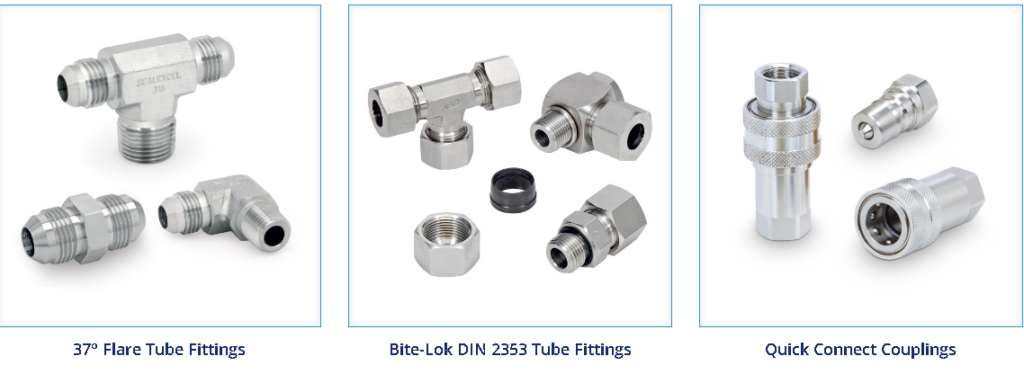
Hydraulic equipment quietly powers a huge share of modern industrial output across factories, mines, marine vessels, and processing plants. These machines force pressurised fluid through narrow passages to drive presses, lift heavy loads, and direct precise movement. Every connection point becomes a critical stress zone where small flaws can trigger surprisingly costly damage downstream.
Selecting a trustworthy hydraulic fittings manufacturer India has become a strategic priority for plants chasing dependable fluid power connections at competitive prices. Capable Indian producers combine engineering precision, advanced metallurgy, and respected international certifications to deliver fittings built for demanding global service conditions without compromising long-term performance across heavy industrial applications.
Pressure That Tests Every Weak Link
Spike Pressures And Cyclic Fatigue: Industrial circuits routinely operate between 70 and 700 bar, with momentary spikes climbing higher during sudden valve closures or load reversals. Each fitting absorbs repeated stress cycles, and prolonged exposure can cause micro-deformation that quietly erodes sealing integrity over many years. Engineers match ratings to genuine peak pressures.
Vibration And Thermal Drift: Pumps, motors, and reciprocating actuators generate continuous vibration that loosens poorly seated connections over time. Temperature swings expand and contract metal, shifting clamp loads at the ferrule interface during normal operation. Components engineered for fluid power transmission under harsh conditions resist these effects through careful geometry, hardened materials, and tested torque envelopes.
Shock Loads And Hammer Effects: Sudden directional changes in flow generate hydraulic hammer, producing transient pressure waves that can exceed nominal system limits by considerable margins. Well-built fittings absorb these shocks through sound wall thickness, proper thread engagement, and ferrule geometry that distributes stress evenly. Specification choices directly influence shock survival outcomes during severe service.
Where Tiny Failures Trigger Major Losses
Hidden Costs Of Poor Connections: Leak paths rarely begin as obvious sprays. They start as weeping seams, a faint oily mist near a joint, or a slowly dropping pressure reading on the gauge. Tracked through real operations, the financial impact climbs quickly across maintenance, energy waste, and lost output figures that often surprise plant managers.
Where Money Quietly Disappears: Plant teams often underestimate how much a single poor fitting steals from monthly budgets across long production shifts. Once you track the cumulative effect across many connection points, the picture becomes uncomfortable. Several patterns appear repeatedly in maintenance audits and energy reviews across diverse industrial sites and varied process conditions.
- Pressure loss reduces actuator force and slows full machine cycle output every shift.
- Oil mist creates slip hazards near walkways and operator stations.
- Contaminated fluid accelerates pump and valve wear across the wider circuit.
- Unscheduled shutdowns interrupt production runs and disturb critical customer commitments.
Diagnostics That Catch Trouble Early: Routine joint inspections, torque audits, and clean tray sampling reveal early problems before they escalate into shutdowns. Trained technicians look for residue stains, slight thread deformation, and uneven ferrule bite marks during planned checks. Sound documentation builds a useful history for trend analysis across years of plant operation.
Material Choices That Shape Long Service Life
Stainless Grades And Surface Hardness: 316 and 316L stainless steels remain favoured for corrosive environments, while case-hardened carbon steel suits standard mineral oil duty. Surface finish, ferrule hardness gradients, and thread accuracy together influence how a fitting performs through thousands of make-and-break cycles. Hydrostatic testing validates each batch before despatch.
Brass, Monel And Special Alloys: Less common materials such as brass, Monel, and nickel alloys handle specialised duties including marine fluid lines, chemical media, and high-temperature gas service. Selection depends on chemical compatibility charts, expected pressure envelopes, and any galvanic considerations relevant to the host equipment frame. Perhaps no single grade fits every application.
Threads And Connection Standards: NPT, BSPP, BSPT, JIC, and metric threads each carry distinct sealing principles and dimensional rules. Mixing incompatible thread forms causes silent damage that surfaces later as persistent leaks across the line. Procurement teams should confirm thread types against equipment drawings rather than relying on visual judgement during quick site visits.
Engineering Disciplines That Set Quality Apart
Design Backed By Testing Data: Reliable fittings come from facilities that combine CAD-driven design with hands-on prototype testing under real working pressures. Burst-pressure trials, helium leak detection, and cyclic endurance runs expose weaknesses that simulations alone might miss during early development stages of any new product line entering global markets.
Standards That Underpin Trust: Fittings carrying recognised certifications such as ISO 9001, PED 2014/68/EU, and ATEX approvals offer documented evidence of disciplined quality control. Compliance with industry test protocols and burst-pressure runs confirms readiness for deep-vacuum and high-pressure use across regulated industries that demand verified component reliability.
Documentation That Travels With Each Batch: Material test reports, dimensional inspection records, and traceability data accompany professional consignments. These documents matter for audits, insurance claims, and incident investigations long after installation has settled into routine. Buyers building safe and accountable plants treat full paperwork as part of the delivered product, not an optional extra.
Building Hydraulic Confidence That Lasts
Hydraulic reliability begins long before commissioning, with thoughtful fitting selection and a clear understanding of the service environment. Pressure ratings, material grades, certifications, and proven testing protocols together build connections that endure heat, vibration, and cyclic stress for years. Choose precision-engineered hydraulic fittings backed by tested quality, and request a technical consultation today.