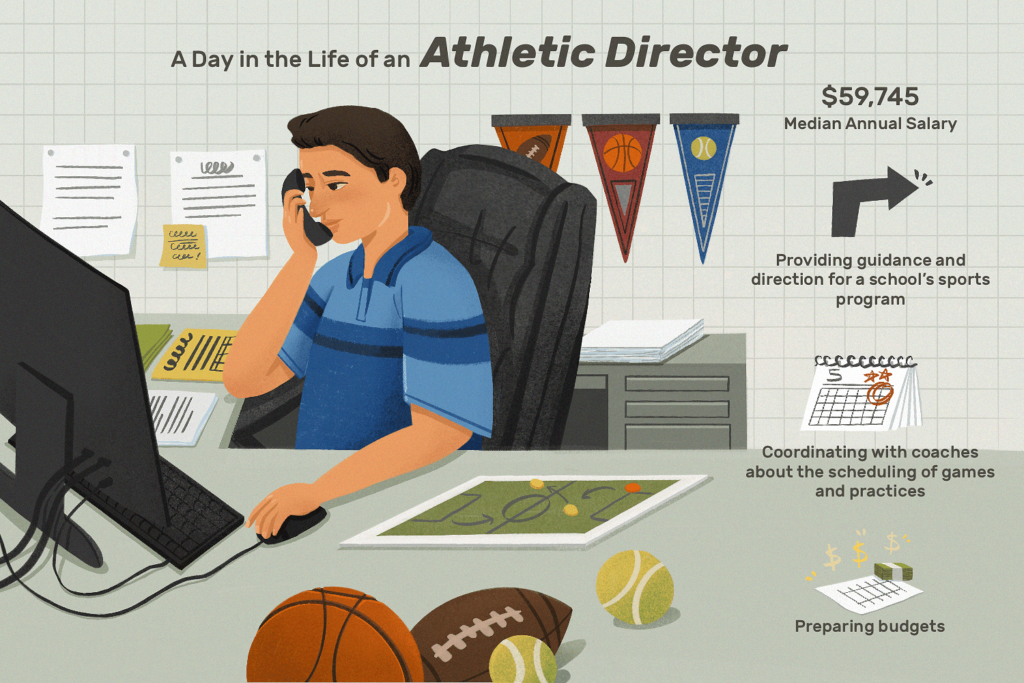
The sporting director is one of the most influential figures in a modern football club. If you go to the official 1xBet site, you will also be able to bet on football teams that have great sporting directors too.
For example, the head coach focuses on 3 things:
- training sessions;
- tactics;
- and match preparation.
However, the sporting director is responsible for overseeing the club’s long-term football strategy. His main objective is to build a competitive and sustainable team by making decisions that benefit the club both on and off the pitch. The best football betting section is available at the official site 1xBet, where punters can also wager on great matches of this sport too.
In 1st place, one of the sporting director’s most important responsibilities is player recruitment. He works closely with scouts, data analysts, and the coaching staff to identify players who fit 3 aspects of the club: its playing style, financial resources, and future ambitions. He also negotiates 3 things making sure that everything stays in budget: transfers, player contracts and loan agreements.
Managing the structure of the club
Another key responsibility is managing the football structure of the club. The sporting director supervises the youth academy, helping talented young players progress into the 1st team. He also establishes a clear football philosophy so that every team within the club, from youth squads to the senior side, follows a consistent style of play and development. This creates continuity even when coaches or players change.
The sporting director also acts as a bridge between 3 entities from the club: its club’s owners, executives and coaching staff. He does 3 other tasks too: communicate the club’s sporting objectives, help appoint head coaches, and ensure that football decisions align with the club’s long-term vision. Unlike a coach, whose success is often measured by weekly results, the sporting director is evaluated on the club’s progress over several seasons.
In today’s football, sporting directors must combine knowledge of the game with 4 other aspects: strong leadership, financial awareness, negotiation skills and an understanding of player development. He works with agents, clubs, governing bodies, and internal departments to make informed decisions that strengthen the organisation. Modern sporting directors also rely heavily on performance data and analytics to support 2 things: recruitment and strategic planning.