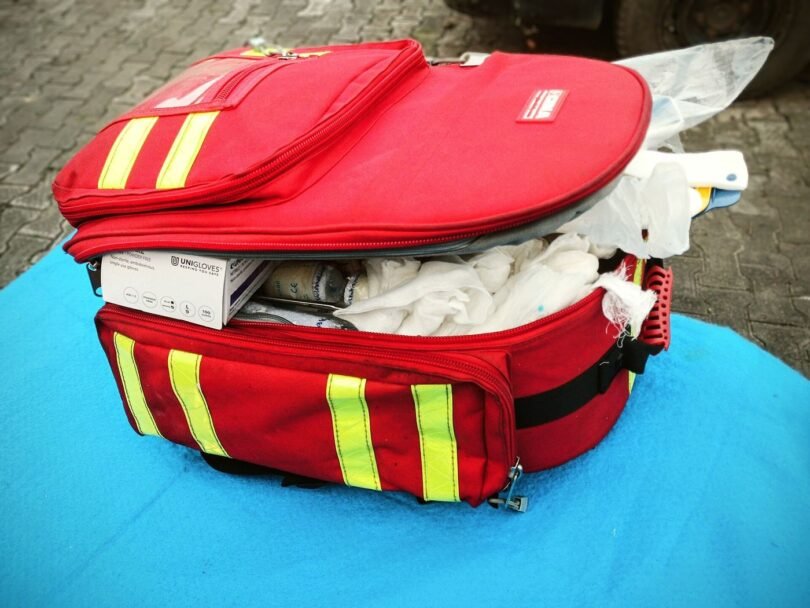

Families are learning first aid basics for everyday home accidents, realising that a little knowledge can make a frightening moment far calmer. Most home accidents are small, a cut while cooking, a burn from a hot pan, a child who falls off a chair, yet in the moment even a minor injury can cause panic, especially when a child is involved. First aid trainers say the most important skill is staying calm and knowing the first steps: how to stop bleeding with pressure, how to cool a burn with running water, and when to call for help. A well-stocked first aid kit, kept where everyone in the household knows to find it, is the starting point, with plasters, bandages, antiseptic and a thermometer. Many families now take a short first aid course, often free or low cost, and practise the basics together so that everyone, including older children, knows what to do. The confidence it brings, trainers say, is the real benefit: a family that knows first aid worries less and reacts better when something happens.
What the Evidence Shows
Experts recommend a few essentials: learn how to treat the most common injuries, such as cuts, burns, sprains and choking, and keep the local emergency number and the doctor’s number on the fridge. A burn should be cooled under running water for at least ten minutes, a bleeding cut pressed firmly with a clean cloth, and a suspected sprain rested, cooled and raised. Parents are advised to teach children to call for help and to stay with an injured person rather than running off. First aid kits should be checked regularly and restocked, and medicines kept separately and out of children’s reach. Anyone who witnesses a serious accident should call emergency services first and follow their instructions. For families, trainers say, first aid is a life skill worth an evening to learn, and one that may matter most on an ordinary day at home. Reporting and analysis from sources such as The Lancet track the same developments, and specialists following first aid basics at home say the direction is now consistent across independent lines of evidence.
The Wider Context
Equity runs through every discussion of first aid basics at home. Interventions that require apps, fees or free weekday afternoons reliably reach the people who need them least, so the programmes earning praise are those designed around clinics, workplaces and community venues that already serve everyone. Evaluation reports now publish uptake by income and region as a matter of routine.
What Happens Next
The practical takeaway on first aid basics at home is deliberately unglamorous: it works best as part of ordinary, well-delivered care rather than as a standalone fix. Health services are planning on that basis, building the referral routes and follow-up that turn a promising result into population benefit. The gains arrive slowly and then, in the statistics, unmistakably. You can follow related developments in our coverage of health.
It is also worth remembering how quickly the picture in this area has changed before. Positions that looked settled a few years ago have been revised as new data arrived, and the same humility is appropriate now. The strongest coverage of this subject, and the most useful advice, tends to come from sources that update their views openly when the facts move, rather than defending an earlier position long after it has stopped fitting the evidence available.