
The retail industry is becoming increasingly competitive, and businesses need efficient tools to manage sales, monitor inventory, and improve customer experiences. Managing daily transactions and stock manually can lead to errors, inaccurate inventory records, and missed sales opportunities. This is where Retail POS Software becomes an essential solution for modern retailers.
A modern Point of Sale System does more than process customer payments. It helps businesses manage products, track inventory, generate sales reports, and monitor overall business performance. By combining sales and inventory operations in one platform, retailers can make better decisions, reduce operational challenges, and improve profitability.
What Is Retail POS Software?
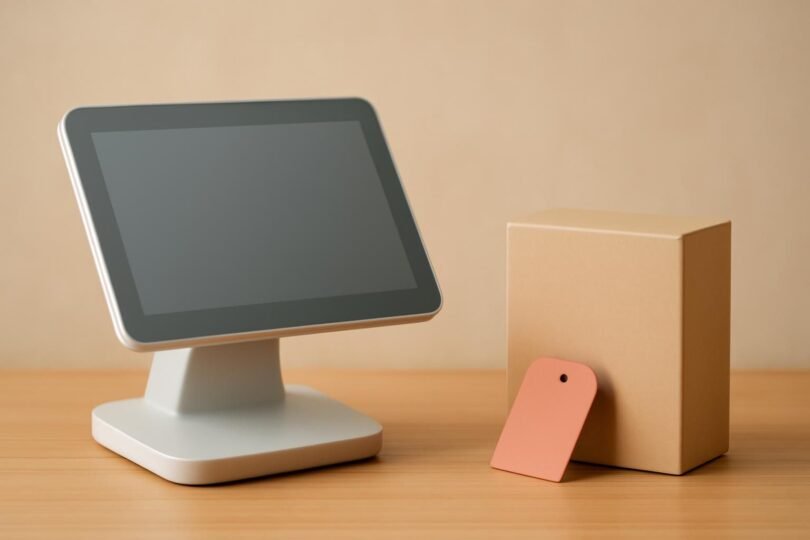
Retail POS Software is a digital solution that helps businesses process sales transactions and manage important retail operations. It provides a centralized platform where retailers can handle billing, product management, inventory updates, and sales reporting.
Unlike traditional cash registers, modern POS systems offer advanced features that help business owners manage their stores more efficiently. Retailers can monitor product availability, access transaction records, manage pricing, and review business performance from one system.
A reliable POS System can be useful for small retail shops, supermarkets, clothing stores, electronics retailers, and multi-location businesses.
1. Improve Sales Operations With Faster Billing
One of the biggest advantages of Retail POS Software is faster and more accurate billing. Traditional billing methods often require manual calculations, which can slow down checkout processes and increase the possibility of human errors.
Modern Retail Billing Software simplifies transactions by allowing employees to scan product barcodes, automatically calculate prices, apply discounts, and generate receipts.
Key benefits include:
- Faster Checkout: Process customer purchases quickly and reduce waiting times.
- Accurate Calculations: Automatically calculate taxes, discounts, and final purchase amounts.
- Multiple Payment Options: Support different payment methods depending on the business setup.
- Better Customer Experience: Provide a smoother and more convenient checkout process.
When customers experience faster service, retailers can improve customer satisfaction and handle more transactions during busy hours.
2. Strengthen Retail Inventory Management
Inventory management is one of the most important responsibilities for retail businesses. Having too much stock increases storage expenses, while running out of popular products can result in lost sales.
Retail POS Software helps businesses maintain better inventory control by automatically updating stock quantities whenever a sale or relevant inventory transaction takes place.
With Real-Time Inventory Tracking, retailers can:
- Monitor available product quantities.
- Identify low-stock products.
- Track incoming and outgoing inventory.
- Reduce the risk of overselling.
- Maintain more accurate stock records.
- Identify products that sell quickly or move slowly.
These capabilities make it easier for business owners to understand inventory requirements and plan future purchases.
For additional guidance, businesses can explore Retail Inventory Management Best Practices to understand how effective stock management can support daily retail operations.
3. Access Better Sales Reporting and Business Insights
Understanding sales performance is essential for making informed business decisions. Without accurate reporting, retailers may struggle to identify profitable products, customer purchasing patterns, and seasonal sales trends.
A modern Point of Sale System provides reporting features that help business owners review important business information.
Common sales reports include:
- Daily, weekly, and monthly sales summaries.
- Best-selling and low-performing products.
- Revenue and transaction reports.
- Employee sales performance.
- Product category comparisons.
- Sales trends during different periods.
These insights help retailers identify which products generate the most revenue and which areas need improvement.
For example, if a particular product consistently generates high sales, a retailer can prioritize keeping it available. Similarly, products with low demand can be reviewed before placing additional inventory orders.
4. Reduce Inventory Errors and Improve Stock Control
Manual stock management can create several problems, including incorrect product counts, duplicate entries, and missing inventory records.
Retail Management Software helps reduce these challenges by maintaining organized product information and updating inventory records through connected business operations.
Retailers can use the system to monitor stock movements, review product availability, and maintain more consistent inventory records.
Better stock management also helps businesses:
- Reduce unnecessary product purchases.
- Identify inventory discrepancies.
- Improve purchasing decisions.
- Minimize product shortages.
- Maintain organized product catalogs.
When inventory information is accurate, retailers can spend less time correcting records and more time focusing on business growth.
5. Manage Multiple Retail Locations More Efficiently
Businesses operating multiple stores often face additional management challenges. Tracking inventory, comparing sales, and monitoring individual store performance can become complicated when each location uses separate systems.
Retail POS Software with multi-location management capabilities can help businesses centralize important information.
Depending on the software’s features, business owners can:
- Monitor sales across different locations.
- Compare store performance.
- Review inventory availability.
- Transfer stock between branches.
- Maintain consistent product information.
- Access centralized business reports.
This approach gives management better visibility into overall operations and makes it easier to coordinate activities across multiple retail locations.
6. Improve Customer Service and Shopping Experiences
Customer experience plays an important role in building long-term relationships and encouraging repeat purchases.
A well-designed POS System helps employees access product information, process transactions, and complete customer purchases more efficiently.
Some retail solutions also offer customer management features, purchase histories, loyalty programs, and promotional tools.
These capabilities can help businesses understand customer preferences and develop more effective marketing strategies.
For example, retailers can use purchase history information to identify frequently purchased products and create relevant promotions for their customers.
7. Choose Retail Management Software That Supports Business Growth
Selecting the right Retail Management Software requires evaluating the business’s current requirements and future goals.
Not every POS solution offers the same capabilities, so retailers should compare available features before making a decision.
Important features to consider include:
|
Feature |
Business Benefit |
|
Sales Processing |
Faster and more accurate transactions |
|
Inventory Tracking |
Better stock visibility and control |
|
Sales Reporting |
Improved business decisions |
|
Barcode Scanning |
Faster product identification |
|
Employee Management |
Better staff coordination |
|
Multi-Store Support |
Centralized store management |
|
Product Management |
Organized product information |
Businesses should also consider software usability, customer support, scalability, pricing, and compatibility with their existing hardware.
Choosing software that matches operational requirements can help retailers avoid unnecessary expenses and support long-term growth.
Why Retail Businesses Should Adopt Modern POS Technology
Retail operations involve several connected activities, including sales processing, stock management, purchasing, and reporting. Managing these activities separately can create unnecessary complexity.
Modern Retail POS Software brings essential retail functions together, helping business owners improve operational visibility and manage everyday tasks more efficiently.
By using a centralized system, retailers can reduce manual work, improve inventory accuracy, identify sales opportunities, and provide better customer service.
As retail technology continues to evolve, businesses that adopt suitable digital management solutions can build more organized and efficient operations.
Conclusion
Retail POS Software has become an important tool for businesses looking to improve sales performance and inventory management. From faster billing and Real-Time Inventory Tracking to detailed Sales Reporting and multi-location management, a modern POS System offers several advantages for retailers.
The right solution helps businesses maintain accurate stock records, understand sales trends, reduce operational errors, and improve customer experiences.
Retailers looking to modernize their operations can explore Retail POS Software to learn more about available solutions for managing sales and inventory in one place.