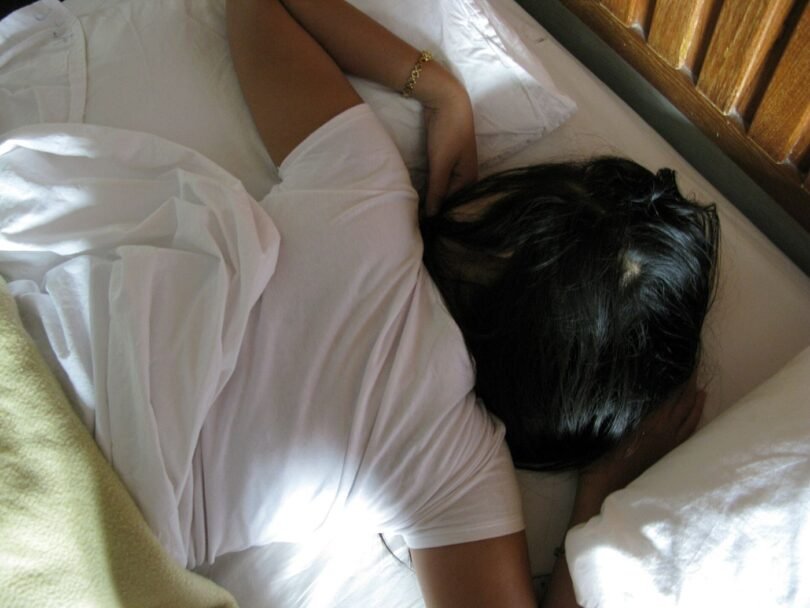

That sudden jolt that wakes you just as you are drifting off to sleep has a name, a hypnic jerk, and frequent episodes may be linked to anxiety and poor sleep, according to new research. The study, published in the journal PLOS Mental Health, found that people who experience these sleep starts often also report higher anxiety and more troubled nights. A hypnic jerk is an involuntary muscle twitch that happens as the body relaxes into sleep, sometimes accompanied by a falling sensation or a vivid dream fragment. Most people have them occasionally, and a single jerk is usually harmless. It is the frequency and the pattern that may tell doctors something useful. The researchers surveyed hundreds of adults about their sleep and found that frequent jerks were more common among those reporting high stress.
What the Evidence Shows
Researchers say the link makes sense: stress and anxiety keep the nervous system on alert, making the transition into sleep less smooth. Caffeine late in the day, intense exercise close to bedtime and irregular sleep hours can all make jerks more likely. Sleep experts recommend a steady bedtime, a wind-down routine without screens, and a cool, dark bedroom. If jerks happen nightly, cause real distress or come with other symptoms such as daytime sleepiness or loud snoring, it is worth discussing them with a doctor. For most people, though, the advice is reassuring: occasional sleep starts are a normal quirk of a healthy brain. The team says more work is needed to prove cause and effect, but the pattern suggests that calming the mind before bed may reduce the jerks as well as improve sleep. Reporting and analysis from sources such as The Lancet track the same developments, and specialists following sleep starts and their link to anxiety say the direction is now consistent across independent lines of evidence.
The Wider Context
Equity runs through every discussion of sleep starts and their link to anxiety. Interventions that require apps, fees or free weekday afternoons reliably reach the people who need them least, so the programmes earning praise are those designed around clinics, workplaces and community venues that already serve everyone. Evaluation reports now publish uptake by income and region as a matter of routine.
What Happens Next
The practical takeaway on sleep starts and their link to anxiety is deliberately unglamorous: it works best as part of ordinary, well-delivered care rather than as a standalone fix. Health services are planning on that basis, building the referral routes and follow-up that turn a promising result into population benefit. The gains arrive slowly and then, in the statistics, unmistakably. You can follow related developments in our coverage of health.
It is also worth remembering how quickly the picture in this area has changed before. Positions that looked settled a few years ago have been revised as new data arrived, and the same humility is appropriate now. The strongest coverage of this subject, and the most useful advice, tends to come from sources that update their views openly when the facts move, rather than defending an earlier position long after it has stopped fitting the evidence available.