
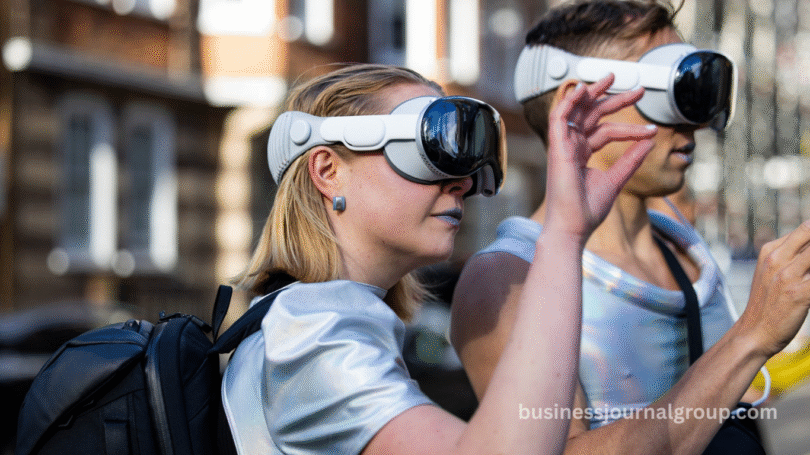

The world of spatial computing is about to evolve once again. Apple Vision Pro 2, the next generation of Apple’s mixed reality headset, is set to launch in 2025 with significant hardware and software improvements. Following the groundbreaking debut of the first Vision Pro, Apple is poised to push the boundaries even further.
Rumors, patents, and leaked prototypes hint at a slimmer, lighter design, upgraded chip performance, and enhanced display resolution. With Apple doubling down on spatial computing, the Vision Pro 2 could reshape how we interact with digital environments.
From professionals in design and healthcare to casual users exploring immersive entertainment, the Apple Vision Pro 2 aims to cater to a broader audience. Here’s everything we know so far, including features, specs, expected price, and more.
What is the Apple Vision Pro 2?
Apple Vision Pro 2 is the second-generation spatial computing headset by Apple, expected to launch in 2025. Building on the mixed-reality foundation of the original Vision Pro, this version is rumored to include improved ergonomics, better battery life, and refined user experiences.
Apple’s focus with the Vision Pro series remains on creating a seamless bridge between the physical and digital worlds. By integrating visionOS with upgraded hardware, the Vision Pro 2 aims to deliver a more natural and immersive interface.
Early prototypes suggest a more compact form factor, better fitting a wider range of users. This evolution shows Apple’s intent to bring spatial computing out of the niche and into everyday use.
Expected Launch Date for Apple Vision Pro 2
Industry analysts and supply chain reports point to a late 2025 release window for the Apple Vision Pro 2. Most likely, it will be unveiled at Apple’s annual fall event, alongside new iPhones and other major product updates.
Apple is known for its deliberate, iterative hardware cycles. Vision Pro 2 will likely follow a similar schedule, allowing time for market feedback, developer adaptation, and software refinement.
The launch may also coincide with a more affordable version of the headset, possibly branded under a new name, as Apple aims to expand its reach in the mixed reality market.
Major Hardware Upgrades in Vision Pro 2
Slimmer, Lightweight Design
One of the most anticipated improvements is the form factor. Apple Vision Pro 2 is expected to be significantly lighter and more comfortable. Current prototypes use a new magnesium alloy frame and reduced external battery housing.
Enhanced Displays
Apple may boost the display resolution to 4K per eye or higher, using second-generation micro-OLED panels. This will reduce motion sickness and improve overall clarity for reading, gaming, and design work.
New R-Series Chipset
The Apple Vision Pro 2 could debut a new R2 chip, optimized for low-latency rendering and machine learning tasks. This would vastly enhance performance across AR and VR experiences.
Extended Battery Life
Battery life is reportedly being doubled compared to the original model, potentially offering up to 4 hours of continuous use. This could make Vision Pro 2 more viable for professional workflows and long viewing sessions.
Read More:
Improved Eye and Hand Tracking
With refined sensors and cameras, Apple aims to deliver smoother, more responsive gesture recognition. Eye tracking will be faster and more accurate, improving navigation and accessibility features.
Software Improvements with visionOS 2
Apple Vision Pro 2 will launch with visionOS 2, the next major update to Apple’s spatial operating system. This update focuses on deeper ecosystem integration, better multitasking, and enhanced developer tools.
Key features may include:
- Expanded support for Mac Virtual Display
- More immersive FaceTime with spatial avatars
- Improved multitasking with floating app windows
Third-party app enhancements
Accessibility upgrades for low vision users
visionOS 2 will likely be announced at WWDC 2025, giving developers time to optimize apps for the new hardware.
Target Use Cases and Market Expansion
Apple Vision Pro 2 is designed to serve more than just tech enthusiasts. Apple is targeting industries such as:
- Healthcare: For surgery simulation, diagnostics, and therapy
- Education: Virtual classrooms and immersive learning modules
- Engineering & Design: 3D modeling, CAD, and product testing
- Remote Work: Enhanced virtual collaboration with spatial tools
Apple is also expanding regional availability. While the first Vision Pro had limited international rollout, Vision Pro 2 is expected to launch simultaneously in the U.S., Europe, and parts of Asia.
Apple Vision Pro 2 Price Expectations
While nothing is confirmed, analysts predict a similar pricing model to the first Vision Pro, starting at around $3,499. However, Apple may introduce a lower-cost variant with fewer sensors or a simplified display to attract more consumers.
The pricing will reflect the premium nature of the product, but also Apple’s intent to scale adoption over time. Expect different storage and memory configurations, possibly ranging up to $4,000+ for the top-end model.
Read More: Hugging Face Launches Reachy Mini Robot in 2025
Apple could also introduce monthly financing options via Apple Card, similar to how it sells iPhones and Macs.
Competitive Landscape in 2025
By the time Vision Pro 2 launches, competitors like Meta (Quest Pro series), Sony, and Samsung may have their own next-gen headsets on the market. Apple’s competitive advantage lies in its ecosystem.
Seamless integration with macOS, iOS, and iCloud services ensures Vision Pro 2 offers a cohesive user experience. Developers also benefit from familiar tools like Xcode and SwiftUI, enabling quick adaptation.
Furthermore, Apple’s privacy stance remains a strong selling point. On-device processing and strict user tracking policies could help the Vision Pro 2 stand out in a crowded space.
Frequently Asked Questions
When is Apple Vision Pro 2 expected to be released?
Apple Vision Pro 2 is expected to launch in late 2025, possibly during Apple’s fall event.
What are the key features of Vision Pro 2?
Key features include a slimmer design, improved micro-OLED displays, an R2 chip, longer battery life, and enhanced eye-hand tracking.
Will Apple Vision Pro 2 support older apps?
Yes, apps built for the first Vision Pro should run on Vision Pro 2, especially with visionOS 2 backward compatibility.
What will be the price of Apple Vision Pro 2?
The expected price is around $3,499, similar to the original model, with potential variations for storage tiers.
Can Vision Pro 2 be used for professional work?
Absolutely. It’s designed for professionals in design, healthcare, remote work, and education.
How long will the battery last?
The new model could offer up to 4 hours of use, doubling the original’s battery life.
Will there be a cheaper version of the Vision Pro?
Rumors suggest a more affordable model might launch alongside the Vision Pro 2, but details are unconfirmed.
What operating system will Vision Pro 2 use?
It will run on visionOS 2, which introduces improved multitasking, app support, and spatial features.
Conclusion
Apple Vision Pro 2 is shaping up to be a landmark upgrade in the spatial computing arena. With enhanced hardware, smarter software, and broader accessibility, it reflects Apple’s long-term vision for immersive technology. As 2025 approaches, excitement continues to build around how Vision Pro 2 will redefine digital interaction for professionals and consumers alike.


