
Understanding the Importance of a Quality Floor Installation
Flooring is one of the most defining features of any home. It sets the tone for your interior design, enhances comfort, and contributes to the overall value of your property. Whether you’re renovating an old home or finishing a new build, floor installation is a crucial step that determines both the aesthetic appeal and functionality of your space.
A well-installed floor not only looks beautiful but also lasts longer, resists wear, and remains easy to maintain. Modern floor installation techniques have evolved significantly, providing homeowners with better materials, advanced tools, and more efficient installation processes that deliver durable, flawless results.
Exploring the Different Types of Flooring
Before starting any floor installation, understanding the different flooring materials available today helps you make an informed decision. Each option has its own benefits, aesthetic charm, and maintenance requirements.
Hardwood Flooring
Hardwood remains a timeless favorite for homeowners seeking natural beauty and elegance. It’s available in various species, such as oak, maple, or walnut, and can be refinished multiple times to maintain its appearance. While slightly more expensive, hardwood floors add significant resale value and warmth to your interiors.
Laminate Flooring
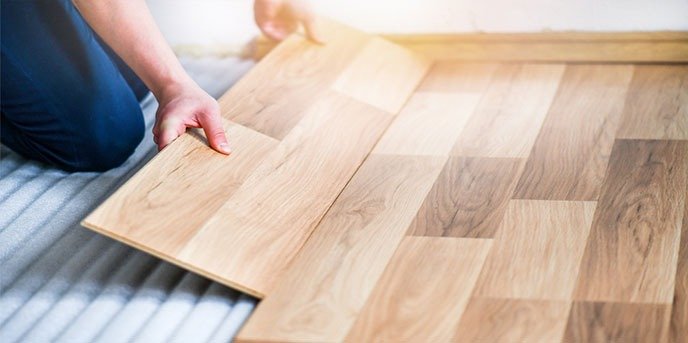
Laminate flooring mimics the look of wood or stone but at a more affordable price. It’s made from composite materials that resist scratches and stains, making it ideal for households with children or pets. Installation is quick and easy, thanks to click-and-lock systems that fit together seamlessly.
Vinyl Flooring
Vinyl flooring is known for its water resistance, durability, and versatility. Modern luxury vinyl planks (LVP) and tiles (LVT) can replicate wood, stone, or ceramic finishes, offering beauty and practicality in moisture-prone areas like kitchens and bathrooms.
Tile Flooring
Ceramic or porcelain tiles are an excellent choice for areas requiring water resistance, such as bathrooms and entryways. They come in various patterns, textures, and colors, providing endless design possibilities. Tile floors are durable but require precise floor installation to ensure even surfaces and proper grouting.
Carpet Flooring
For comfort and warmth underfoot, carpet remains a popular option. It’s perfect for bedrooms and living rooms, providing insulation and reducing noise. However, it requires professional installation to ensure a snug fit and smooth finish.
Preparing for a Successful Floor Installation
Proper preparation is key to achieving a perfect result. Skipping essential prep steps can lead to issues like uneven surfaces, creaking, or premature wear.
Assessing the Subfloor
The subfloor must be clean, level, and structurally sound before installing any new flooring. Cracks, uneven areas, or moisture problems should be addressed to avoid future damage.
Removing Old Flooring
Old materials must be removed carefully, especially when transitioning from one flooring type to another. For example, removing old carpet adhesive or leveling concrete floors ensures that new flooring lays flat and secure.
Moisture Testing
For wood or vinyl flooring, moisture levels in the subfloor should be tested to prevent warping or mold growth. Using moisture barriers or sealants helps protect your new floors from long-term damage.
The Modern Floor Installation Process
Today’s floor installation methods are faster, more precise, and cleaner than ever before. Professional installers use advanced tools and techniques to deliver long-lasting results with minimal disruption.
Measuring and Planning
Every successful project begins with detailed measurements and layout planning. Installers determine how materials will fit within the space, accounting for cuts, corners, and transitions. This step ensures minimal waste and perfect alignment.
Acclimating Materials
Flooring materials like wood or laminate need time to adjust to your home’s temperature and humidity. Allowing them to acclimate for at least 48 hours prevents expansion or contraction after installation.
Installation Techniques
Depending on the flooring type, installation methods vary:
- Floating Floors: Laminate and vinyl planks often use a floating method, where pieces lock together without glue or nails.
- Glue-Down or Nail-Down: Hardwood floors typically require adhesive or nails for stability.
- Mortar and Grout: Tile floors are set in mortar, followed by precise grouting to seal joints.
Finishing Touches
Once installation is complete, baseboards, trims, and transitions are added to create a polished, cohesive appearance. Professionals also inspect the floor for gaps or unevenness to guarantee quality.
Benefits of Professional Floor Installation
While DIY projects can be tempting, professional installation offers unmatched precision and peace of mind. Skilled installers have the expertise and equipment to handle complex spaces, ensuring durability and visual perfection.
Precision and Expertise
Professionals understand how to work with different materials and address challenges like uneven subfloors or tight corners. Their expertise ensures that your floor remains stable and beautiful for years.
Time Efficiency
Professional installation is completed quickly and efficiently, minimizing disruption to your daily routine. With their experience, installers can handle larger spaces or complex patterns without delays.
Warranty and Quality Assurance
Many professional installers offer warranties on both labor and materials. This added protection gives homeowners confidence that their investment is secure.
Modern Trends in Floor Installation
Home design trends are constantly evolving, and flooring plays a major role in defining the overall look. Modern floor installation methods emphasize both aesthetics and functionality.
Eco-Friendly Flooring
Sustainable materials like bamboo, cork, and reclaimed wood are becoming increasingly popular. These options not only look beautiful but also reduce environmental impact.
Wide Plank and Patterned Designs
Homeowners are opting for wide planks and herringbone or chevron patterns for added visual interest. These styles make rooms appear larger and more luxurious.
Seamless Transitions
Blending different flooring types between spaces—such as tile in the kitchen and wood in the living area—creates smooth transitions that maintain a cohesive aesthetic.
Maintaining Your New Floors
After installation, proper care extends the life and beauty of your floors.
Regular Cleaning
Sweep or vacuum regularly to prevent dust and grit from scratching surfaces. Use appropriate cleaning products for each material type—avoid excessive moisture on wood and laminate floors.
Protective Measures
Add area rugs, felt pads under furniture, and mats near entryways to reduce wear and tear. Prevent direct sunlight exposure by using blinds or curtains to avoid fading.
Scheduled Inspections
Periodic checks ensure that floors remain in excellent condition. Refinish hardwood every few years or re-grout tile if necessary to keep surfaces looking new.
Conclusion
Modern floor installation is a blend of art, science, and craftsmanship. With improved materials, sustainable options, and expert techniques, today’s flooring solutions can completely transform your home’s appearance and comfort.
By choosing the right materials, preparing the subfloor properly, and relying on professional installers, you ensure lasting beauty and performance. Whether you’re upgrading one room or your entire home, a well-planned floor installation enhances both the value and the atmosphere of your living space — a foundation built to stand the test of time.