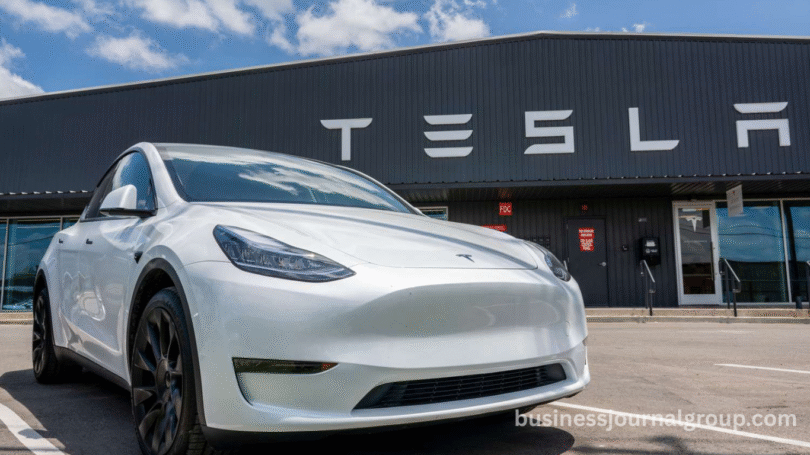

Tesla’s electric dominance has hit a sharp bend on the road and it’s not a smooth one. In 2025, the electric vehicle (EV) giant witnessed an unprecedented 60% drop in sales in Sweden and Denmark, shaking investor confidence and sending ripples across the European automotive market.
This shocking data from Q1 and Q2 2025 points to a significant slump in Tesla’s Scandinavian performance, raising urgent questions about its future strategy. Once hailed as the poster brand of green innovation, Tesla is now facing regulatory pressure, labor unrest, and fierce competition from local EV manufacturers.
What does this steep sales decline mean for Tesla in Europe? Why are Scandinavian consumers turning away from Elon Musk’s flagship automaker? Let’s explore the real reasons behind the crash and what lies ahead.
Tesla Sales Crash 60%: What the Data Reveals
The latest sales data from Nordic automotive councils confirmed that Tesla’s new registrations plummeted by over 60% in both Sweden and Denmark during the first half of 2025.
In Sweden, Tesla accounted for just 4% of new car sales, compared to 10.3% in 2024. Meanwhile in Denmark, its market share nosedived to 3.8%, a massive fall from last year’s 9.5%.
These aren’t minor fluctuations. This is a sharp, sustained crash that Tesla hasn’t seen in any other major region and the underlying reasons go beyond just pricing.
Industrial Unrest Targeting Tesla
Tesla’s troubles in Sweden began with a legal and labor crisis. The Swedish Transport Agency, mechanics’ unions, and postal workers clashed with the company over its refusal to sign collective bargaining agreements. This ignited a chain reaction union strikes led to registration delays, repair blockades, and delivery disruptions.
Major unions such as IF Metall and Seko played a pivotal role in curbing Tesla’s logistical operations. Even dockworkers refused to unload Tesla shipments, stalling Tesla’s supply chain within the country.
These disruptions severely damaged Tesla’s brand image and customer trust in Sweden. The sales crash was no surprise it was the result of a widespread movement against Tesla’s anti-union stance.
Danish EV Tax Policy Flip Sparks Backlash
In Denmark, policy changes became Tesla’s Achilles’ heel. The Danish government announced an aggressive rollback of EV subsidies in early 2025 a move designed to taper public spending and promote homegrown EV makers.
Tesla, with its relatively premium price tag, became a less attractive option for Danish buyers. Local automakers offering affordable electric alternatives, such as Polestar and Volkswagen, quickly seized the opportunity.
Read More: US Senate Votes on Trump’s Major Spending Bill
This shift made Tesla vehicles significantly more expensive overnight, leading to a wave of canceled pre-orders and declining showroom visits.
Price Cuts Weren’t Enough to Save Tesla
Tesla attempted to counter the backlash by announcing price cuts across Europe. In Denmark, Model 3 and Model Y received a €3,000 reduction in March 2025. But the strategy backfired — rather than boosting demand, it signaled desperation.
Consumers held off purchases, anticipating further price slashes, while competitors launched value-driven marketing campaigns portraying Tesla as an unstable bet. Trust and brand perception took a serious hit.
Rising Competition in Europe’s EV Market
Europe’s EV market is no longer Tesla’s playground. In both Sweden and Denmark, homegrown EV manufacturers and Chinese brands have eroded Tesla’s dominance.
Notable challengers include:
- Volvo EX30: Affordable, stylish, and built for Nordic terrain
- Polestar 3: A premium EV brand winning loyalty in Scandinavia
- BYD and NIO: Fast-growing Chinese automakers offering low-cost EVs with high-range batteries
- These brands are appealing to cost-conscious, eco-aware Scandinavian buyers a market Tesla once owned.
Customer Trust and Local Sentiment
Scandinavian consumers are known for their eco-conscious, ethical values, and Tesla’s labor conflicts have tarnished its image. The perception that Tesla is ignoring fair labor rights and undercutting local regulations has turned away many potential buyers.
Tesla’s customer service concerns, including long wait times for repairs due to union blockades, have further damaged its standing. In comparison, European brands offer localized support, better service infrastructure, and community trust.
Tesla’s Broader European Strategy Under Pressure
The Scandinavian crash poses deeper questions about Tesla’s overall European strategy. While Germany and France still show growth, the Nordic collapse highlights Tesla’s vulnerability to local politics and competition.
With European regulators planning stricter EV recycling and labor standards, Tesla will need to adapt or risk further decline. CEO Elon Musk’s rigid stance on unionization may work in the U.S., but it’s proving toxic in Europe’s social-democratic economies.
What Could Reverse the Trend?
Tesla’s path to recovery in Sweden and Denmark will require more than discounts. Strategic options include:
- Signing collective agreements with Scandinavian labor unions
- Investing in local service centers to improve after-sale care
- Collaborating with governments on sustainability goals
- Tailoring models specifically for the Nordic climate and price bracket
Only with serious reforms can Tesla hope to regain its foothold in this vital EV market.
Frequently Asked Questions
What caused Tesla’s sales crash in Sweden and Denmark?
The 60% crash was due to a mix of labor disputes, union strikes, subsidy cuts, and rising local competition. Tesla’s refusal to sign collective labor agreements triggered widespread resistance in Sweden, while Denmark’s reduced EV incentives made Tesla cars less affordable.
How much did Tesla sales drop in Sweden?
Tesla’s market share in Sweden fell from 10.3% in 2024 to just 4% in 2025, representing a 60%+ drop in new registrations during the first half of the year.
Is Tesla still selling cars in Denmark?
Yes, but at significantly reduced volumes. Tesla’s sales in Denmark dropped by more than 60%, and its market share has shrunk to under 4%, as of mid-2025.
What role did unions play in Tesla’s decline?
Unions in Sweden blocked Tesla’s operations by striking against vehicle servicing, delivery logistics, and administrative support. Their actions created major disruptions and public backlash against Tesla’s anti-union stance.
Are price cuts helping Tesla recover?
So far, no. Tesla’s price cuts in early 2025 failed to boost sales and instead created uncertainty. Consumers expected further drops, while competitors offered better value and localized features.
Which EV brands are beating Tesla in Sweden and Denmark?
Volvo, Polestar, BYD, NIO, and Volkswagen have gained significant market share. These brands offer better service, lower prices, and align more closely with Scandinavian values.
Is Tesla facing similar issues in other European countries?
Not to the same extent. While Tesla is still growing in countries like Germany and France, the Scandinavian collapse is a warning sign of how local politics and brand perception can disrupt Tesla’s expansion.
What must Tesla do to regain its market?
Tesla must repair relationships with unions, invest in localized support, offer region-specific EV models, and align with ethical labor standards. Without these steps, a full recovery in Scandinavia looks unlikely.
Conclusion
The 60% crash in Tesla sales across Sweden and Denmark is more than a quarterly hiccup it’s a turning point. With labor tensions, tax changes, and stronger competition, Tesla faces its most significant European challenge yet. Whether the EV giant can adapt and reclaim its lost ground remains uncertain, but the shockwaves are already reshaping the future of electric mobility in the Nordics.