
In a surprising and unsettling turn of events, the United States is grappling with a significant resurgence of measles cases in 2025. Once declared eliminated in 2000, the return of this highly contagious viral disease is raising alarms across public health communities and among concerned parents nationwide.
Health experts are closely monitoring outbreaks that have emerged in various states, primarily affecting communities with low vaccination rates. The spike in infections has led to school closures, strained healthcare systems, and renewed debate over vaccine misinformation.
This unexpected comeback of measles highlights a crucial gap in national health preparedness and raises urgent questions about vaccine coverage, public trust, and the consequences of complacency. Understanding the factors behind the current surge is essential for preventing further escalation.
What Is Measles?
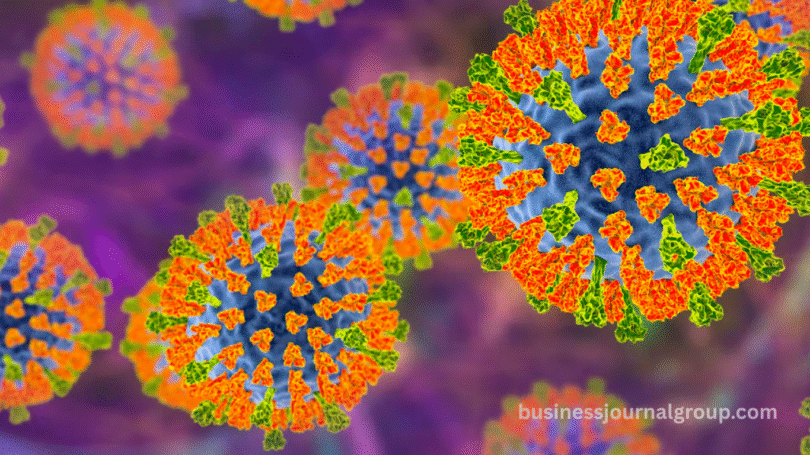
Measles is a highly contagious viral illness caused by the measles virus, a member of the paramyxovirus family. It primarily spreads through respiratory droplets when an infected person coughs or sneezes.
The symptoms usually begin with a high fever, cough, runny nose, and red, watery eyes. This is followed by a characteristic rash that typically spreads from the face to the rest of the body. Measles can lead to serious complications, including pneumonia, brain inflammation, and death, especially in young children and immunocompromised individuals.
Despite the availability of a safe and effective vaccine, measles continues to pose a threat when vaccination coverage drops below the threshold needed for herd immunity.
Timeline of Measles Elimination in the US
The United States declared measles eliminated in 2000, meaning there was no continuous disease transmission for over 12 months. This milestone was achieved due to widespread vaccination with the MMR (measles, mumps, rubella) vaccine.
Over the following decades, sporadic cases and small outbreaks were mainly linked to international travel and unvaccinated populations. Health officials maintained that while importation could occur, the U.S. had the capacity to prevent sustained spread.
However, recent years have seen increasing vaccine hesitancy and misinformation, gradually eroding the public health gains made in previous decades.
Why Are Measles Cases Surging in 2025?
Several factors have contributed to the sudden increase in measles cases this year:
- Decline in Vaccination Rates: The COVID-19 pandemic disrupted routine childhood immunization schedules, with many families missing or delaying MMR vaccinations.
- Misinformation and Vaccine Hesitancy: Social media has played a role in spreading anti-vaccine narratives, undermining public trust in proven science.
- International Travel: As global travel resumed post-pandemic, travelers have imported measles from countries with ongoing outbreaks.
- Policy Gaps: Loopholes in state vaccination mandates and rising non-medical exemptions have allowed unvaccinated children to attend school.
Public health officials are now facing the challenge of reversing these trends while also managing the current outbreaks.
Hotspots and Case Numbers
As of mid-2025, over 1,200 confirmed measles cases have been reported across 18 states, with the highest numbers in California, Texas, and New York. Community clusters are common in areas with historically low vaccination coverage.
Health departments have issued warnings, and some local governments have reintroduced emergency measures, such as temporary closures of public institutions and mandatory vaccination orders for school attendance.
Read More: 4 things to know about the vaccine ingredient thimerosal
The Centers for Disease Control and Prevention (CDC) is conducting real-time surveillance to track the spread and origin of outbreaks.
Impact on Public Health Infrastructure
The resurgence of measles is not just a medical issue; it poses a significant burden on the already stretched public health system. Contact tracing, outbreak management, and public awareness campaigns require substantial resources.
Hospitals and clinics are seeing increased admissions due to complications from measles, putting pressure on pediatric and infectious disease units. Moreover, the need for mass immunization campaigns is diverting attention from other essential health services.
The current situation is a wake-up call for strengthening healthcare infrastructure and ensuring readiness for vaccine-preventable disease outbreaks.
Vaccine Efficacy and Safety
The MMR vaccine remains one of the most effective tools in preventing measles. Two doses provide about 97% protection against the virus. It is safe, widely available, and endorsed by all major health organizations, including the CDC and WHO.
Despite overwhelming scientific consensus, misinformation continues to sow doubt. It’s crucial to rely on verified information and consult healthcare professionals when making vaccination decisions.
Rebuilding trust through community engagement, transparent communication, and education is essential to reversing the current crisis.
Government and Community Response
In response to the surge, federal and state health agencies have launched emergency campaigns to boost vaccination rates. These include:
- Mobile vaccination units in underserved communities
- School-based immunization drives
- Media campaigns countering misinformation
- Policy reviews to tighten vaccine exemption laws
Local communities, religious organizations, and schools are also stepping up, promoting accurate information and facilitating access to vaccines.
These collaborative efforts aim to restore herd immunity and prevent further escalation of the outbreak.
Preventing Future Measles Outbreaks
To avoid future outbreaks, several key strategies must be implemented:
- Increase Vaccine Coverage: Ensure at least 95% of the population is immunized to maintain herd immunity.
- Combat Misinformation: Use evidence-based education and social media campaigns to address myths.
- Strengthen Surveillance: Enhance detection and response systems to quickly contain outbreaks.
- Improve Accessibility: Make vaccines easy to access, especially in rural or marginalized communities.
A sustainable, nationwide effort involving healthcare providers, policymakers, educators, and citizens is essential for long-term success.
Frequently Asked Questions
How did measles return after being eliminated?
Measles returned due to declining vaccination rates, increased international travel, and misinformation that undermined public health efforts.
What are the symptoms of measles?
Early symptoms include high fever, cough, runny nose, and red eyes, followed by a spreading rash. Complications can include pneumonia and encephalitis.
Who is most at risk of severe measles?
Infants, pregnant women, the elderly, and immunocompromised individuals face the highest risk of complications.
Is the measles vaccine safe?
Yes, the MMR vaccine is extremely safe and effective. Side effects are usually mild, such as fever or soreness at the injection site.
Can adults get vaccinated against measles?
Absolutely. Adults who are unsure of their vaccination status or lack immunity should consult their doctor about getting the MMR vaccine.
What should I do if I suspect measles?
Isolate the patient immediately and contact your healthcare provider. Do not go to public places to avoid spreading the virus.
How is measles diagnosed?
Doctors typically diagnose measles through clinical symptoms and can confirm it with blood tests or throat swabs for the virus.
Can measles be treated?
There is no specific antiviral treatment. Care focuses on managing symptoms and preventing complications with supportive therapies.
Conclusion
The 2025 measles surge in the U.S. underscores the ongoing importance of vaccination, public trust, and health system vigilance. Addressing these challenges head-on is essential for safeguarding communities and preserving decades of public health progress.