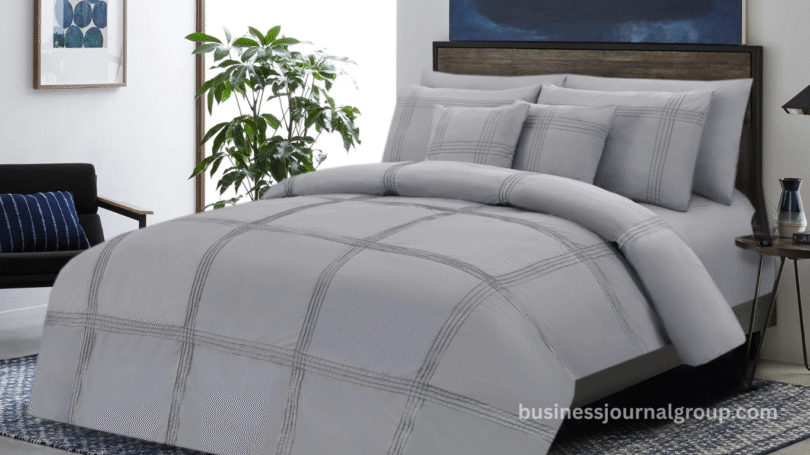

Ever wonder how often you really need to wash your bedding? You’re not alone. With busier lifestyles and shifting health priorities in 2025, this common question has taken on new urgency.
According to microbiologists, bedding can harbor more than just dead skin cells. Think bacteria, fungi, dust mites, sweat, allergens, and even viruses. This microbial cocktail can impact everything from your skin to your immune system.
Knowing how often to wash bedding in 2025 is key to better sleep, fewer breakouts, and a healthier home environment. This guide explains what the experts say, why it matters, and how to build a better washing routine without overdoing it.
The Science Behind Dirty Bedding
In 2025, microbiologists are doubling down on the importance of washing your bedding regularly. With advanced lab studies, they’ve discovered that pillowcases and sheets can accumulate millions of microbes within just a few days.
Dead skin cells, body oils, saliva, and even fecal particles get trapped in fabrics. These serve as a buffet for dust mites and a breeding ground for bacteria like Staphylococcus aureus and fungi like Candida.
Extended exposure to these microorganisms can lead to acne, eczema flare-ups, allergy symptoms, and even respiratory issues. That makes frequent washing not just about comfort, but your overall health.
How Often to Wash Bedding in 2025 Says Microbiologist
According to microbiologists, here are the 2025 expert recommendations:
- Sheets: Once every 7 days, ideally every 3-4 days for allergy sufferers or sweaty sleepers
- Pillowcases: Every 2-3 days, especially if you have oily skin or acne-prone skin
- Blankets & Comforters: Every 2-4 weeks (use a duvet cover and wash that weekly)
- Mattress Protectors: Once every 2 months, more often if someone is ill
Pillows: Every 3-6 months, depending on filling
Why the increase in frequency? In 2025, indoor air pollution, increased screen time, and longer periods spent in bed (thanks to remote work) mean we’re spending more time exposed to potential contaminants.
Bedding Material Matters
Not all bedding is created equal. The fabric type determines how quickly it gets dirty and how often it should be washed.
- Cotton sheets: Breathable but absorb sweat and oils easily. Stick to weekly washes.
- Silk pillowcases: Hypoallergenic but delicate. Wash every 2-3 days in a gentle cycle.
- Bamboo bedding: Naturally antibacterial but still collects debris. Wash weekly.
- Microfiber: Traps dirt and sweat quickly. Requires frequent cleaning (every 4-5 days).
Microbiologists recommend choosing natural, breathable fibers whenever possible. They not only resist microbial growth but are also easier to clean thoroughly.
Signs You’re Not Washing Bedding Enough
Even if you don’t see dirt, your bedding could be overdue for a wash. Look for these telltale signs:
- Musty or sour smell
- Increased sneezing or congestion upon waking
- Acne breakouts or skin irritation
- Stains or discoloration
- Itchy skin or eyes
These are red flags that bacteria, allergens, or fungi have built up on your sheets and pillowcases. In 2025, with growing concern over indoor air quality, staying alert to these cues is more important than ever.
Tips for Effective Bedding Hygiene
Want to wash less often but still stay clean? Follow these microbiologist-approved tips:
- Shower before bed to reduce the transfer of sweat and dirt
- Use a top sheet to protect comforters
- Rotate pillows every few days
- Use mattress and pillow protectors
- Wash in hot water (130°F / 54°C) to kill dust mites and bacteria
- Dry thoroughly to prevent mold
- Avoid fabric softeners, which can leave residues
A smart washing routine and proper sleep hygiene can reduce how often bedding needs to be cleaned without compromising your health.
Environmental Considerations in 2025
Frequent washing can raise environmental concerns. In 2025, with greater awareness of water usage and energy consumption, people are seeking greener options.
Read More: 8 ways to style spring florals and fancify your scheme
Eco-friendly tips:
- Wash bedding in full loads to maximize efficiency
- Use cold water settings with eco detergents when possible
- Air-dry when weather permits
- Choose sustainable fabrics like organic cotton or hemp
These small choices can help you maintain cleanliness while minimizing your environmental footprint.
How Bedding Affects Sleep Quality
Your bedding isn’t just about cleanliness it’s directly tied to how well you sleep.
Microbes and allergens can trigger sneezing, itching, and congestion, all of which interrupt your sleep cycle. Clean sheets can improve sleep onset, reduce nighttime waking, and enhance skin comfort.
In fact, a 2025 sleep study showed that participants who slept on freshly laundered bedding fell asleep faster and reported better rest compared to those using sheets unwashed for 10 days.
Sleep hygiene begins with the surface you lie on. Keeping it clean is a non-negotiable in the quest for quality rest.
Bedding for Special Cases: Kids, Pets, Illness
Certain situations call for stricter washing routines:
- Children: Wash bedding every 3-4 days, as kids are more sensitive to allergens and often sweat more.
- Pets in bed: Wash sheets every 2-3 days due to dander, fur, and possible fleas.
- Sick household members: Change and wash bedding daily or every other day to prevent spreading germs.
- Night sweats or skin conditions: Increase frequency to every 2-3 days to reduce irritation.
Following these guidelines ensures your bedroom remains a sanctuary of health, even under special circumstances.
Frequently Asked Questions
How often should I wash bedding if I sleep naked?
If you sleep without clothes, wash your sheets every 3-4 days. More skin contact means more oils and bacteria transfer.
Can I wash all my bedding together?
Only if fabric types and colors are similar. Otherwise, separate loads to prevent damage and maintain cleanliness.
Do I really need to wash bedding weekly?
Yes. Microbiologists confirm that even “clean” looking sheets harbor harmful bacteria and allergens after a week.
What temperature is best for washing bedding?
Hot water (at least 130°F / 54°C) kills most bacteria and dust mites. Use as recommended per fabric care label.
How can I make bedding last longer despite frequent washing?
Use gentle detergents, avoid over-drying, and store bedding in cool, dry spaces when not in use.
Should I use a fabric softener?
No. Most microbiologists advise against it, as it leaves residue that attracts dirt and reduces breathability.
How do I wash down pillows or comforters?
Use a front-loading machine on a gentle cycle with low-spin. Dry thoroughly with clean tennis balls to prevent clumping.
Is it okay to air-dry bedding?
Absolutely. Sunlight helps naturally disinfect. Just ensure it’s fully dry to avoid mold or mildew.
Conclusion
Knowing how often to wash bedding in 2025, as microbiologists advise, is essential for maintaining health, sleep quality, and home hygiene. Clean bedding supports better skin, clearer airways, and restful nights. With smart habits and eco-conscious practices, keeping your bedding fresh can be both effective and sustainable.