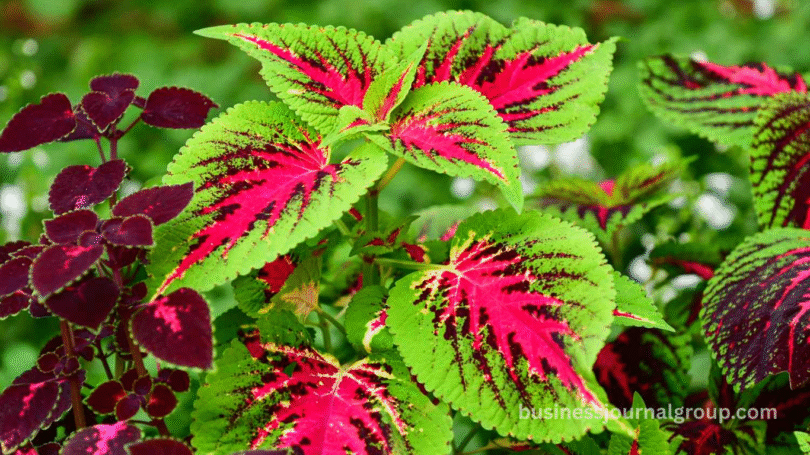

July may not seem like the ideal time to transplant your green companions, but with the right techniques, it can be the perfect month to do so. Whether you’re upgrading your garden, changing locations, or adding new greenery to your space, knowing how to move new plants in July 2025 is essential.
Moving plants during mid-summer presents unique challenges. The heat, sun intensity, and potential drought stress make this month a tricky time for transplanting. However, expert tips and proper planning can help mitigate these risks and ensure your plants adapt well to their new environment.
In this guide, you’ll learn how to move plants effectively in July, how to prepare both the plant and the new location, and what mistakes to avoid. Let’s make your summer planting a thriving success.
Why July 2025 is Still a Good Time to Move Plants
July may be hot, but it also offers longer days, faster growth rates, and plenty of sunshine all of which support healthy plant development if you handle the transition correctly.
In 2025, seasonal trends point to warmer but relatively stable weather patterns in many regions. That means if you follow best practices, you can move plants without compromising their health. Choosing early mornings or cloudy days for transplanting is especially helpful.
Despite the challenges, July provides a mid-year refresh for gardens, allowing for landscape redesigns or recovery planting after spring loss.
Choose the Right Plants to Move
Not all plants tolerate summer relocation equally. Here’s how to decide which ones are suitable:
- Perennials: These are hardy enough to move with proper care.
- Shrubs and small trees: Can be moved if roots are not deeply established.
- Newly purchased container plants: Ideal, as they haven’t adapted to the ground yet.
- Tender annuals: Generally not recommended, but may survive with extra attention.
Avoid transplanting mature trees or delicate flowering plants in July unless absolutely necessary.
Prepare the New Location First
Before uprooting your plant, have the new spot ready. This ensures less stress and immediate acclimation.
- Soil Quality: Enrich the soil with compost or aged manure.
- Drainage: Ensure the area isn’t waterlogged or prone to drying out.
- Sunlight: Match the plant’s needs to the new location’s light exposure.
- Spacing: Allow room for root expansion and air circulation.
A well-prepared site supports quicker recovery and reduces transplant shock.
Watering Is the Key
- One of the most critical aspects of moving plants in July is proper watering.
- Water thoroughly 24 hours before the move to hydrate the root ball.
- Water immediately after planting in the new spot.
- Continue daily watering for the first week, then taper off based on plant response and weather.
- Use mulch to retain moisture and protect roots from heat.
Avoid overwatering, which can suffocate roots. Keep the soil moist but not soggy.
Timing Matters: Best Time of Day to Transplant
Heat stress is a major risk in July. To reduce it:
- Transplant in the early morning or late evening.
- Avoid moving plants during peak sun hours (10 AM – 4 PM).
- Choose cloudy days when available.
This helps your plants transition with minimal exposure to direct sun and heat.
How to Uproot Plants Without Damage
- A successful move starts with careful removal.
- Dig around the plant in a wide circle.
- Keep the root ball intact, preserving as much root as possible.
- Gently lift and shake off loose soil.
- Transport immediately to reduce root exposure.
- Use a tarp or container for larger plants to avoid drying out during the move.
Expert Tip: Use Root Stimulators and Anti-Transpirants
Professionals often rely on tools to reduce transplant stress:
- Root stimulators help encourage new root growth.
- Anti-transpirants reduce moisture loss through leaves.
- Apply a light seaweed extract or mycorrhizae solution after planting to boost resilience.
- These tools are available at most garden centers and can significantly enhance plant recovery.
Read More: Fish Tastes Better in 2025 With This One Simple Ingredient
Post-Transplant Care in July
After you move new plants in July 2025, ongoing care is essential:
- Shade sensitive plants with cloth or temporary screens.
- Keep an eye out for wilting, yellowing, or pests.
- Fertilize lightly after two weeks (only if the plant looks healthy).
- Prune any dead or damaged leaves to direct energy toward recovery.
- Monitor daily for the first two weeks. Healthy roots = healthy plant.
Frequently Asked Questions
Is July too hot to move plants?
No, it’s possible with precautions. Water well, move during cooler parts of the day, and use mulch to protect roots.
What plants move best in summer?
Perennials, small shrubs, and potted plants do best. Avoid transplanting flowering annuals or mature trees.
Should I prune my plant before moving?
Light pruning can help reduce transplant stress, especially if the plant is overgrown.
How long does transplant shock last?
Usually 1 to 3 weeks. Proper care like watering, shading, and monitoring speeds up recovery.
Can I move flowering plants in July?
It’s risky. If necessary, prune off flowers first so the plant can focus on root development.
Should I fertilize right after moving?
No. Wait at least two weeks or until new growth appears. Fertilizing too early can harm stressed roots.
What signs show a plant is struggling after moving?
Watch for drooping, yellow leaves, stunted growth, or falling foliage.
How do I protect newly moved plants from sunburn?
Use shade cloth, garden umbrellas, or temporary structures to provide partial shade during the hottest part of the day.
Conclusion
To move new plants in July 2025 successfully, preparation, timing, and consistent care are key. With the right strategies, you can overcome the summer heat and help your plants flourish in their new home. Give your green friends the expert care they deserve this season.