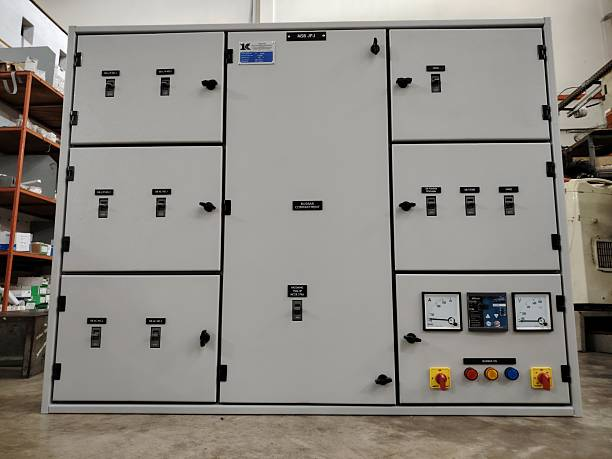
Reliable electrical power is the backbone of modern society. From industrial plants and commercial complexes to utilities and infrastructure projects, uninterrupted electricity ensures safety, productivity, and economic growth. At the heart of this reliability lie switch gear systems, which play a critical role in controlling, protecting, and isolating electrical equipment across both high voltage and medium voltage networks.
Switch gear systems are more than just electrical components. They act as the first line of defense against faults, overloads, and operational failures. In high voltage and medium voltage networks, where power levels are significant and risks are high, the importance of well designed switch gear systems becomes even more pronounced.
This article explores the role of switch gear systems in high voltage and medium voltage networks, explaining how they work, why they are essential, and how they contribute to safety, reliability, and efficient power distribution.
Understanding Switch Gear Systems
Switch gear systems refer to a combination of electrical devices used to control, protect, and isolate power equipment. These systems ensure that electricity flows where it is needed and stops safely when faults occur.
Key functions of switch gear systems include:
- Switching electrical circuits on and off during normal operation
- Protecting equipment from short circuits and overloads
- Isolating faulty sections to prevent damage spread
- Enabling safe maintenance and inspection activities
In high voltage and medium voltage networks, switch gear systems are designed to handle large electrical loads while maintaining strict safety and performance standards.
High Voltage and Medium Voltage Networks Explained
Before exploring the role of switch gear systems, it is important to understand the difference between high voltage and medium voltage networks.
Medium Voltage Networks
Medium voltage networks typically operate between 1 kV and 33 kV. These networks are commonly used for:
- Industrial facilities
- Commercial buildings
- Urban distribution systems
- Renewable energy integration points
Medium voltage networks act as a bridge between high voltage transmission and low voltage consumption.
High Voltage Networks
High voltage networks usually operate above 33 kV and can extend to hundreds of kilovolts. These networks are responsible for:
- Long distance power transmission
- Grid interconnections
- Utility scale substations
- Bulk power transfer between regions
Both networks rely heavily on switch gear systems to ensure stable and secure power flow.
Why Switch Gear Systems Are Essential in High Voltage and Medium Voltage Networks
Switch gear systems play a vital role in maintaining the integrity of power networks. Without them, electrical faults could cause widespread outages, equipment damage, and safety hazards.
Key reasons switch gear systems are essential include:
- Protection against electrical faults
- Control of power flow
- Isolation of faulty equipment
- Safety for personnel and assets
- Support for system reliability and continuity
In high voltage and medium voltage environments, even minor faults can have major consequences, making robust switch gear systems indispensable.
Core Components of Switch Gear Systems
Switch gear systems consist of several integrated components, each serving a specific function within the network.
Circuit Breakers
Circuit breakers automatically interrupt current flow during faults such as short circuits or overloads. In high voltage and medium voltage networks, they are designed to handle extreme electrical stresses safely.
Disconnect Switches
Disconnect switches provide visible isolation of circuits. They ensure equipment is fully de energized before maintenance activities begin.
Protection Relays
Protection relays monitor electrical parameters and trigger circuit breakers when abnormal conditions occur.
Busbars
Busbars distribute electrical power within the switch gear system, connecting incoming and outgoing circuits efficiently.
Instrument Transformers
These devices measure current and voltage levels, providing accurate data for monitoring and protection systems.
Together, these components form a coordinated system that ensures reliable network operation.
Role of Switch Gear Systems in Fault Detection and Isolation
One of the most critical roles of switch gear systems in high voltage and medium voltage networks is fault management.
Electrical faults can occur due to:
- Equipment aging
- Insulation failure
- Environmental factors
- Human error
Switch gear systems help manage these faults by:
- Detecting abnormal current or voltage conditions
- Isolating only the affected section of the network
- Preventing fault propagation to healthy equipment
- Minimizing downtime and service interruptions
This selective isolation capability is especially important in large networks where uninterrupted power supply is crucial.
Enhancing Safety in High Voltage and Medium Voltage Environments
Safety is a primary concern in high voltage and medium voltage networks due to the potential for severe electrical hazards.
Switch gear systems enhance safety by:
- Preventing accidental contact with live components
- Automatically disconnecting power during faults
- Providing safe isolation points for maintenance
- Reducing arc flash risks through enclosed designs
Modern switch gear systems from Meta Power Solutions often include metal enclosed or gas insulated designs that further enhance personnel protection.
Supporting Network Reliability and Continuity
Power reliability is a key performance indicator for utilities and industrial users alike. Switch gear systems play a major role in maintaining consistent power delivery.
They contribute to reliability by:
- Enabling rapid fault clearance
- Supporting network reconfiguration during outages
- Allowing load balancing across feeders
- Reducing equipment stress during abnormal conditions
In both high voltage and medium voltage networks, reliable switch gear systems help prevent cascading failures and prolonged outages.
Switch Gear Systems and Grid Modernization
As power networks evolve, switch gear systems are adapting to support modern grid requirements.
Key trends include:
- Integration of digital monitoring and control
- Support for smart grid technologies
- Compatibility with renewable energy sources
- Enhanced communication with supervisory systems
Smart switch gear systems provide real time data, enabling predictive maintenance and faster decision making.
Environmental and Space Considerations
High voltage and medium voltage substations often face space constraints, especially in urban environments.
Switch gear systems address these challenges by:
- Offering compact and modular designs
- Reducing land and building requirements
- Supporting indoor and outdoor installations
- Incorporating environmentally friendly insulation technologies
The shift toward eco friendly switch gear systems also helps reduce environmental impact while maintaining high performance.
Importance of Standards and Compliance
Switch gear systems in high voltage and medium voltage networks must comply with strict international and regional standards.
Compliance ensures:
- Operational safety
- Equipment interoperability
- Long term reliability
- Legal and regulatory acceptance
Common standards cover design, testing, installation, and maintenance requirements, ensuring consistent performance across applications.
Maintenance and Lifecycle Management
Proper maintenance is essential to ensure the long term performance of switch gear systems.
Effective maintenance practices include:
- Routine inspection and testing
- Monitoring of insulation and contact conditions
- Timely replacement of worn components
- Use of condition based maintenance tools
Well maintained switch gear systems reduce unexpected failures and extend service life in both high voltage and medium voltage networks.
Final Thoughts
Switch gear systems play an indispensable role in high voltage and medium voltage networks by ensuring safe, reliable, and efficient power distribution. From fault detection and isolation to safety enhancement and grid modernization, these systems form the backbone of electrical infrastructure.
As power demands grow and networks become more complex, the importance of advanced and reliable switch gear systems will continue to rise. Investing in well designed, standards compliant switch gear systems not only improves operational performance but also safeguards people, equipment, and the future of power networks.
By understanding their role and value, utilities, industries, and infrastructure developers can make informed decisions that support long term reliability and sustainable energy distribution.