
Rural homeowners across Canada often treat certain inconveniences as simply part of living the country life. Gurgling pipes, dropping pressure, and the occasional no-water morning become routine over time. What many do not realise is that these are not harmless quirks of rural living. Most trace directly to an ageing or poorly matched pump system that has been quietly operating past its useful point and age.
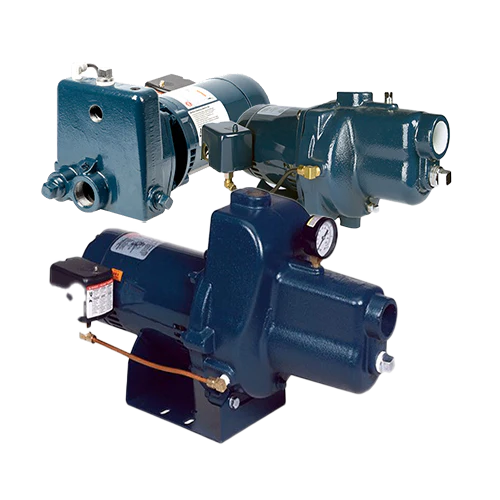
When a water system begins showing consistent signs of strain, exploring modern purpose-built pump options makes practical sense. Jet Water Pumps offered through trusted Canadian water treatment specialists provide improved suction performance, steadier delivery pressure, and greater long-term reliability than many older models still running today. Choosing the right unit can shift your home’s supply from unpredictable to genuinely dependable, without excessive disruption to existing plumbing.
The Habits That Hide a Bigger Problem
Pressure Drops Become Routine: Many rural households develop quiet workarounds without ever naming them. Perhaps you wait for the shower to settle before stepping in, or avoid running the dishwasher during laundry cycles. These are not preferences; they are indicators that water pressure in rural Canada is not performing where it should, and that the system beneath it is likely struggling.
Noise as a Warning Worth Listening To: Pumps that groan, click rapidly, or take noticeably long to build pressure are telling a clear story. That effort suggests the unit is working far harder than it should for the same result. Over time, that strain accelerates wear across connected components, shortens overall system lifespan, and quietly drives up energy costs each billing cycle.
What Usually Sits Behind the Problem
Specs That No Longer Match the Demand: Older pump systems were often sized for a different era of household use. A property that once served two people may now support a full family with irrigation lines, extra bathrooms, and daily laundry running. The original pump may still function, but maintaining water pressure for homes under that kind of demand is beyond what an undersized unit can reliably achieve.
The Pressure Tank Factor: A pressure tank that has lost its air charge is one of the most overlooked contributors to short cycling and unsteady pressure in rural systems. When the tank cannot hold adequate charge, the pump switches on and off within seconds repeatedly. That cycling pattern accelerates motor wear faster than almost anything else, compounding quietly until the system gives out without much warning.
Signs That Repairs Are No Longer the Answer
When the Same Problem Keeps Coming Back: There is a particular frustration in calling a technician out multiple times across a few years for what feels like the same issue. Each visit resolves a symptom, not a root cause. If basic pump maintenance has become a near-annual expense on your property, continuing to patch the existing unit is likely costing more over time than a proper replacement would.
What to Watch for Before Making a Decision:
- Consistent flow drops during peak morning or evening usage, pointing to insufficient pump capacity for your actual household demand.
- Short cycling behaviour where the pump runs for only seconds before shutting off, often linked to pressure tank charge loss.
- Visible scale, rust, or sediment around fittings, suggesting that water quality issues are accelerating wear across pump components.
- Gradually rising electricity bills with no clear change in household habits, which can indicate a struggling motor drawing more power than its rated output.
Why Waiting Tends to Cost More: Putting off a pump replacement might seem practical in the short term, but the compounding effect of a failing system adds up steadily. Each month of reduced performance places extra load on surrounding components, from pressure switches to check valves. The longer the delay, the wider the scope of what eventually needs replacing alongside the pump itself.
What a Better Pump Actually Changes
Why Pump Cavitation Matters More Than It Sounds: Pump cavitation occurs when low inlet pressure allows air bubbles to form inside the pump housing during operation. It is difficult to detect in early stages, but internal damage accumulates steadily over time. A properly matched modern pump, sized to the actual yield of your well, eliminates this risk and protects surrounding components from the kind of wear that shortens their working life.
Daily Life Without the Constant Adjustments: Once a capable pump is installed and matched to your real household demand, the difference is felt quickly. Showers hold their pressure. Taps respond without hesitation. The small daily effort of managing water use around the system’s limitations simply lifts. Many rural homeowners are surprised at how much background frustration that single change removes from an ordinary day.
Where Dependable Water Actually Begins
A pump replacement rarely stops at one fix. The effects tend to ripple further than most homeowners expect, touching energy costs, appliance performance, and the general reliability of everything connected to your water supply. The system stops demanding attention, and daily routines stop working around it. If recurring water frustrations have been part of your routine for too long, speak with a qualified water treatment specialist to have your system properly assessed and find the right solution for your property.