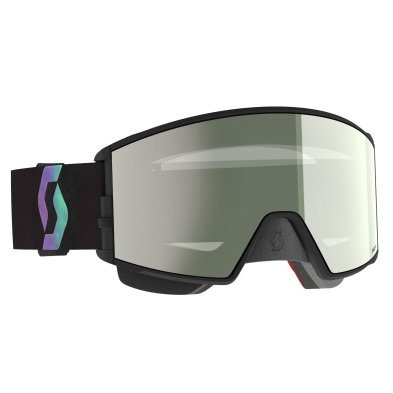

Most snowmobile riders start out convinced that any cold-weather eyewear will do the job on recreational trails. The reasoning feels logical. You are not racing professionally, the terrain looks manageable, and basic gear seems like enough protection. That assumption tends to unravel fast after one rough ride through heavy snow and shifting light conditions.
Riders across Canada who spend real time on snowmobile trails know that conditions change without warning, and gear that seems fine at the trailhead can become a real liability two hours in. Snowmobile goggles Canada trail riders depend on must handle wind blast, blowing powder, and reflected glare at the same time. Cheaper options simply struggle to keep up with that kind of extended demand on a long day out.
What the Trail Actually Throws at You
Wind Blast and Powder Infiltration: Long trail runs expose riders to sustained forward wind that most people do not account for before their first serious outing. The combination of speed and crosswind drives fine snow particles around poorly fitted goggles with thin foam seals. Over several hours, this creates steady eye irritation and brief moments of near-total visibility loss that catch riders off guard at speed.
The Real Stakes of Safety Riding Gear: There is a point on any long trail day where you realise eye protection is a core piece of safety riding gear, not an optional add-on. Budget goggles handle moderate conditions well enough, but when temperature drops and wind increases, the gap becomes clear. Riders who have pushed through one seriously bad-visibility stretch rarely compromise on this piece of kit again.
Common Trail Conditions That Expose Weak Goggles:
- Wind blast at sustained trail speeds drives powder directly into frame gaps and around low-quality foam padding.
- Reflected sunlight from open snowfields strains poorly tinted single-pane lenses within the first hour of riding.
- Sudden transitions from bright glare to tree-shadow slow visual adjustment and reduce response time steadily.
- Breath moisture collects on the inner lens surface of budget goggles and turns from light haze to full fog quickly.
- Temperature drops in the afternoon cause frame materials on cheaper goggles to contract and loosen the face seal.
When Cheap Goggles Start Letting You Down
Fogging and the Freeze Threshold: Lens fogging typically starts within the first hour on cold days when a single-pane lens hits its temperature limit. Breath moisture rises from the gap between the goggle frame and your face, settling on the lens interior and reducing visibility steadily. What begins as a light haze thickens fast, and riders often start lifting the frame just to see ahead clearly.
Cold Air Seeping Through the Frame Seal: Budget foam padding compresses and degrades faster than quality alternatives, and once that seal weakens, cold air moves in around the nose and lower face. This chills the eyes directly, increasing tearing and further reducing vision. The effect is gradual at first but becomes uncomfortable and distracting on any trail day that runs longer than a couple of hours in winter conditions.
What to Actually Look for Before Buying
Lens Type and Ventilation Design: Not all anti-fog claims are equal, and it pays to understand what proper quality assurance looks like in goggle construction before making a purchase. Single-pane lenses with spray-on anti-fog coating tend to wear off faster than factory-applied alternatives. A goggle with a built-in ventilation channel and thermally bonded dual panes provides lasting performance across a full season of Canadian trail riding.
Frame Fit and the Face Seal: The fit of the goggle frame against your face matters as much as the lens quality itself. A well-designed foam gasket that conforms to different face shapes prevents cold air entry and stops powder from reaching your eyes. Riders who wear helmets should also check compatibility between the goggle frame and helmet brim to avoid gaps that undermine the seal entirely on fast trail runs.
Why Premium Goggles Change Everything on Long Rides
Sealed Lenses and Anti-Fog Performance: Quality goggles use double-pane lenses with anti-fog coatings on the inner surface, paired with vented frames that move air without letting wind through. This design keeps the lens interior dry and clear across varying temperatures and riding intensities. Riders who upgrade to this level of eyewear notice the improvement quickly, often within the first stretch of an open trail run.
Reaction Time and Long Trail Awareness: Clear, stable vision directly affects how quickly you respond to trail changes, unexpected obstacles, or other riders ahead. When managing foggy or glare-affected lenses, reaction time suffers in ways that are difficult to measure but easy to feel on the trail. Goggles designed for extended cold-weather use remove that unpredictable variable entirely, letting you focus on the ride rather than your eyewear.
When the Right Gear Becomes Your Most Reliable Trail Partner
Choosing quality goggles is less about brand preference and more about understanding what a full Canadian trail day actually demands from your eye protection. After one ride where visibility became the real problem, most riders stop compromising on this piece of gear. If you are heading out this winter season, explore sealed, anti-fog options built for extended cold-weather riding before conditions make the choice for you.