Aerospace engineering operates in a world where failure carries consequences far beyond ordinary industrial work. Each component must endure punishing forces, extreme temperatures, and constant vibration without showing weakness over years of demanding service. This unforgiving environment shapes every design decision and pushes manufacturing toward levels of accuracy that conventional production lines rarely attempt to reach across global aviation programs.
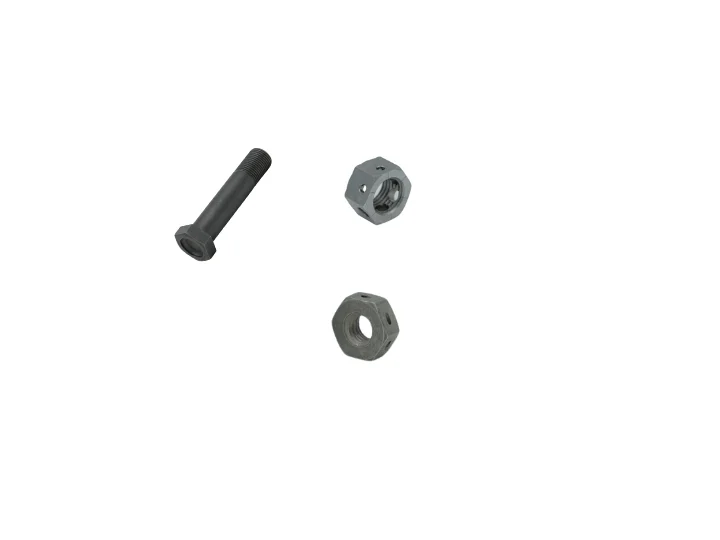
Reliability in aviation cannot be achieved through general industrial methods alone. Trusted aerospace fasteners manufacturers deliver certified components engineered to satisfy the strictest aviation safety codes and structural performance demands. Their work supports airframes, engines, and control systems where any deviation could compromise flight safety. This level of dedicated expertise separates aerospace supply chains from typical manufacturing operations seen across other sectors today.
The Hidden Weight Behind Every Flight-Ready Part
Forces That Test Material Limits: Aircraft components face cyclic loading patterns that ground-based machinery never encounters during normal use. Wings flex, landing gears slam, and engines push parts to thermal extremes within minutes of takeoff. Designers must consider every direction of stress simultaneously, ensuring that fasteners and structural elements behave predictably across millions of operating cycles without weakening too early.
Environmental Pressures Above Twenty Thousand Feet: Altitude introduces variables that few terrestrial systems contend with on a daily basis. Temperature swings, pressure differentials, and oxidative exposure work together to attack materials gradually over time. Improved fatigue resistance becomes a daily requirement rather than a design luxury, helping aerospace components survive repeated atmospheric cycles without microscopic cracks forming inside critical joints.
When Small Variations Cause Costly Structural Problems
Why Minor Defects Become Major Failures: A fastener that is slightly off-spec might seem harmless in a regular industrial machine running at modest loads. In aircraft, that same flaw can change load paths and concentrate stress in unintended areas. Over thousands of pressurization cycles, this gradually weakens the surrounding structure, leading to expensive inspections and possible safety bulletins issued later.
Long Maintenance Cycles Magnify Errors: Aircraft serve for decades, often flying for thirty years or more across multiple operators worldwide. A small inconsistency introduced during initial assembly may surface only after years of regular operation under load. Maintenance teams then spend significant resources tracing the source, which raises operating costs and disrupts fleet availability for airlines depending on tight schedules.
Precision That Redefines What Manufacturing Can Achieve
Tolerances Measured in Microns: Aerospace specifications often demand tolerances that other industries treat as theoretical or unnecessary in daily work. Where automotive parts might allow some forgiveness, aviation components require near-perfect dimensional accuracy. Higher tensile strength is engineered into every batch through controlled metallurgy, careful heat treatment, and rigorous inspection protocols that catch deviations before parts reach assembly stations downstream.
Documented Traceability Across Production: Every fastener, bracket, and structural piece carries a complete paper trail through its entire production journey. Material origin, batch number, heat treatment data, and test results follow each part from raw stock to finished assembly. This documentation supports audits, accident investigations, and lifecycle tracking, giving operators confidence that every component meets stated certifications throughout service.
Quality Markers That Set Aerospace Production Apart
Standards That Govern Every Process Step: Certifications guide aerospace manufacturers in ways no other industry experiences during routine production planning. AS9100, NADCAP, and FAA approvals shape workflow design, supplier vetting, and inspection routines across every shift on the floor. These frameworks ensure consistency across global production sites, allowing parts manufactured in one country to integrate flawlessly with assemblies built thousands of miles away.
The defining traits of aerospace-grade output include:
- Certified material sourcing backed by full chemical and mechanical test reports for every shipment received.
- Tight dimensional control verified through coordinate measuring equipment under carefully controlled inspection conditions.
- Heat treatment cycles validated against strict aviation industry specifications throughout processing stages.
- Surface coatings designed to resist galvanic corrosion in mixed-metal aircraft assemblies during long service.
- Lot traceability allowing recall, audit, and engineering review at any future point in time.
How Modern Aerospace Production Continues To Evolve
Advanced Materials Replace Older Choices: Titanium alloys, nickel superalloys, and composite-compatible fasteners now appear where older steel grades once dominated structural assembly. These materials offer better strength-to-weight ratios, helping airframes carry more payload while burning less fuel on long international routes. Engineers carefully match each material to its joint location, balancing performance, weight, corrosion behavior, and cost across thousands of fastening points.
Automation Backed By Human Inspection: Robotic systems now assist drilling, riveting, and torque application across modern aircraft assembly lines worldwide. Yet human inspectors still verify critical joints, since automation handles repetition while experienced technicians catch subtle anomalies. This blended approach keeps aviation manufacturing dependable and prevents the kind of overlooked errors that purely automated processes sometimes miss during continuous production.
Building Aircraft That Earn Their Place In The Sky
Aerospace manufacturing demands more than skill alone in any single department of a production facility. It requires discipline, traceability, and an unwavering respect for the harsh conditions that aircraft must conquer every flying day. Engineering teams and procurement leaders should partner with proven specialists who treat aviation quality as a baseline rather than an aspiration, ensuring every component supports safer flights ahead.