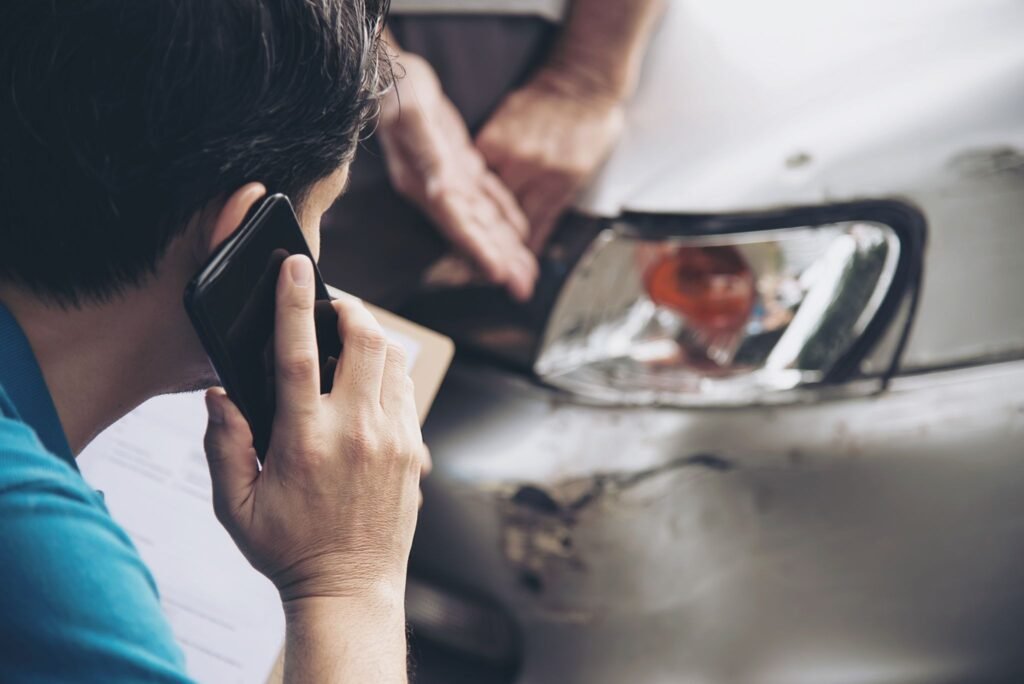
Picking the right shop after a collision is one of those decisions most people make under pressure, with little information and an insurance company recommending a specific place. The car is damaged. The insurance adjuster mentions a “direct repair program” shop on their preferred list. The customer agrees because they don’t know what else to do. The car gets fixed, looks fine from the outside, and life moves on. But the quality of that repair, the parts used, the calibration of safety systems, and the structural integrity of the vehicle all depend on which shop did the work. And the customer rarely has a way to evaluate that after the fact.
The wider problem is that there’s enormous variation in shop quality across any given metro area. Two shops sitting blocks from each other can deliver very different results on the same repair. One stays current on training, follows manufacturer repair procedures, uses proper equipment, and stands behind the work. The other cuts corners on parts, skips calibration steps, doesn’t follow OEM procedures, and pushes vehicles out the door as fast as possible. From the customer’s side, both look like collision shops. The visible storefront doesn’t reveal what’s happening behind the scenes. So a customer searching for collision repair in Sacramento needs ways to filter by the actual differences before handing over the keys to a vehicle that will be driven by their family for years afterward.
Sacramento has multiple collision repair shops throughout the metro area. Relux Collision is one of the Sacramento-area collision repair shops, handling everything from minor dents to full structural restoration. Nothing in this piece recommends any specific shop. What follows is a practical walkthrough of how to evaluate a shop before committing, which credentials to look for, and which signals separate operations doing solid work from those cutting corners.
Why the Shop Choice Matters
Modern vehicles are full of systems that must work together correctly to keep occupants safe in a future collision. Crumple zones are engineered to deform in specific patterns. Airbag sensors are calibrated to deploy at specific impact thresholds. Advanced driver assistance systems are tied to sensors that must be aligned to within millimeters of factory specifications. High-strength steel and aluminum panels require different welding techniques and dedicated tooling.
A shop that handles all of this properly produces a vehicle that performs in a future crash the way the manufacturer designed it to. A shop that cuts corners produces a vehicle that may pass a visual inspection but won’t perform as well when it’s actually needed. The customer never sees the difference until the next accident. Which is a terrible time to discover the repair was substandard.
Choose Your Own Shop
California law protects the customer’s right to choose any licensed repair shop. Insurance companies can recommend specific shops (direct repair program facilities are common), but they cannot legally require the customer to use a particular one. The FTC’s auto repair basics consumer guidance covers consumer rights here in detail, including the recommendations to research shops before needing one and to get multiple estimates when possible.
Direct repair program shops can be perfectly good. They can also be average. The insurance company’s recommendation prioritizes its business relationship with the shop, often making cost containment a major factor. The customer’s interest in repair quality isn’t necessarily aligned with that priority. So, treating the recommendation as a single input rather than a final answer is the right approach.
Certifications
Industry certifications give customers a way to filter shops without having to evaluate technical competence from scratch. The most meaningful in collision repair is I-CAR Gold Class. The Inter-Industry Conference on Auto Collision Repair’s Gold Class program requires shops to maintain ongoing training across estimators, refinish technicians, structural technicians, and non-structural technicians. The training must be renewed continuously to maintain the designation. Industry data puts the percentage of US collision shops holding current Gold Class somewhere between 15% and 20%.
Beyond I-CAR Gold Class, certain OEM manufacturers certify specific shops to perform repairs on their vehicles. Tesla, BMW, Mercedes-Benz, Ford, GM, and others maintain certification programs that require shops to invest in specific tools, training, and equipment for their vehicles. ASE (Automotive Service Excellence) certifications for individual technicians also matter, though they’re more common for mechanical work than collision repair specifically.
A shop holding current I-CAR Gold Class plus relevant OEM certifications for the customer’s specific vehicle make is a substantially different operation from one without those credentials. Both might exist in the same neighborhood. Only one is actually keeping current on what modern vehicle repair requires.
Doing the Research Before You Visit
Online reviews give one window into how shops actually treat customers. Multiple platforms tend to surface different signals: Google reviews capture a broad view of the customer experience. Yelp tends to attract more detailed complaints. The Better Business Bureau shows formal complaints and resolution patterns. Reading reviews and looking for patterns rather than individual stars is more useful. A shop with mostly positive reviews and a few specific complaints that the shop addressed professionally is probably handling problems the way a good shop should.
Recommendations from people who’ve actually used a shop carry more weight than online reviews. Asking around for who handled someone’s prior collision well surfaces shops with track records. Mechanics who work on the customer’s vehicle for regular maintenance also often have opinions about which body shops do solid work.
The Sacramento Context
Sacramento drivers have access to a relatively dense collision repair market, with shops across every quality tier. The choice is rarely between “the shop and no shop.” It’s almost always between several shops within a reasonable driving distance, with significant quality differences between them. Spending an hour or two researching the options before committing is among the highest-value uses of time a customer can spend during the entire repair process. The vehicle gets driven for years after the repair. Picking the shop that does the work right pays off over the whole time, in ways that show up when they matter most.