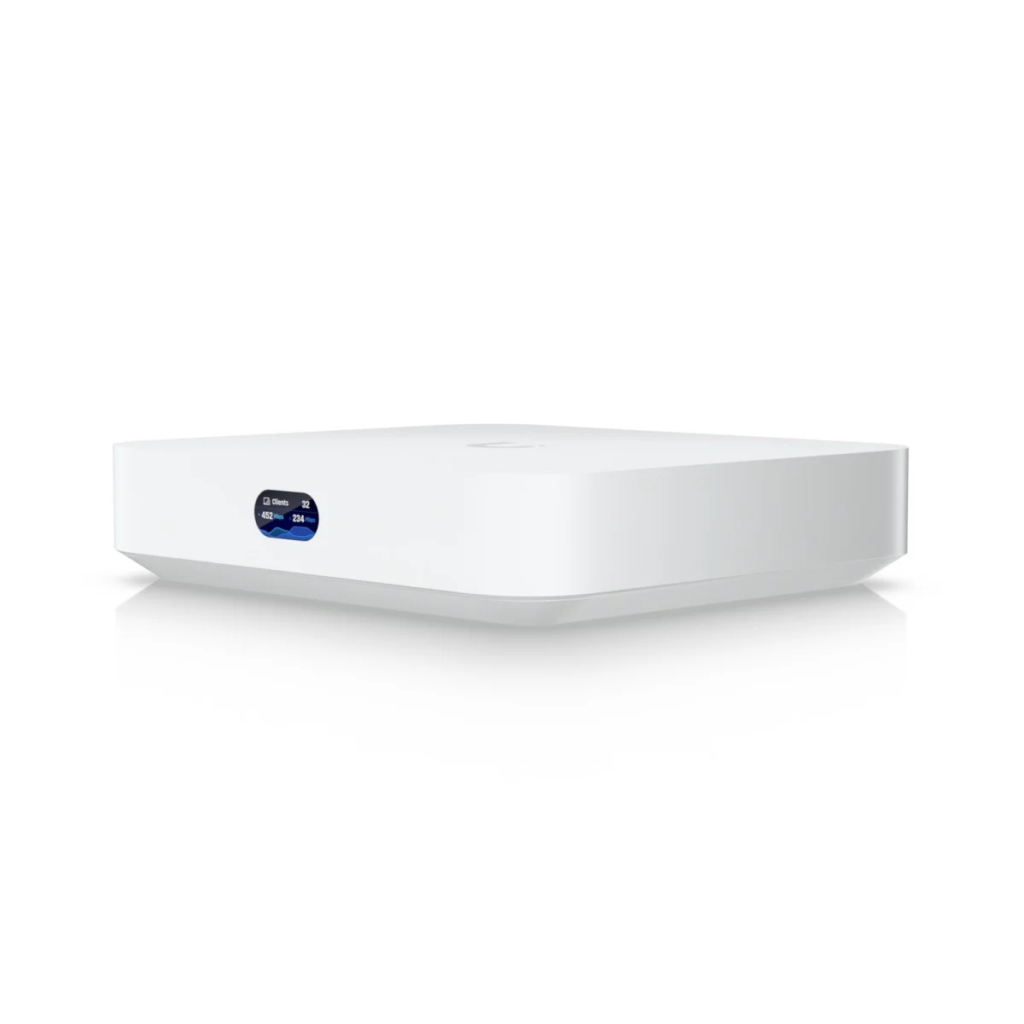
Buying a router feels simple until you open a few tabs and see the numbers jump around. One shop lists something cheap, another wants three times as much for a box that looks almost identical. So what do router prices in Kenya really come down to in 2026? Mostly, it comes down to what you are trying to do with it and how many people are leaning on that connection at the same time.
Here is the honest version. A home router and an office router can look the same on a shelf and behave nothing alike once you plug them in. That gap is where most people overspend, or worse, underspend and regret it. Understanding router prices in Kenya starts with matching the device to the actual load, not the label on the box.
What Actually Drives Router Prices
Price tracks a handful of things. Once you see them, the range stops feeling random.
- Speed and WiFi standard. Older WiFi 5 units cost less. WiFi 6 and 6E ask for more, and they earn it when several devices connect together.
- Coverage. A single router suits a small flat. A larger home or office needs mesh units or access points, and that raises the total.
- Wired ports. Cheap routers give you slow LAN ports. Business models offer gigabit ports, which matter for CCTV, servers, and file transfers.
- Build quality. A device meant to run around the clock uses better components than one built for a weekend of light browsing.
You are not just paying for speed. You are paying for how long the thing keeps working before it starts dropping connections at the worst moment.
Home Router Prices in Kenya
For a small household, the entry tier covers the basics. Browsing, streaming on a screen or two, a bit of video calling. These sit at the lower end of the market, and they do the job for a while.
The catch shows up as your household grows. Add a smart TV, three phones, a laptop for work, and a security camera, and that budget router starts to strain. Buffering creeps in around the evening, when everyone is home and online at once.
Mid-range home routers fix a lot of that. They handle more devices at the same time and hold a signal across more rooms. Perhaps you do not need the top model. Most families land comfortably in the middle, and that is usually money well spent.
Office and Business Router Prices
This is where the numbers climb, and for good reason. An office router carries a heavier weight. It manages more users, runs longer hours, and often ties into VoIP phones, cloud tools, and shared drives.
Think about what an hour offline costs your team. Payments stall. Calls drop. Staff sit and wait. Against that, the price difference between a home router and a business one looks small. Cheap hardware in a busy office tends to fail on the day you can least afford it.
Business setups also lean on features that home units skip. Things like VLANs, which separate your networks so guest WiFi never touches your private systems. Or PoE support, where a single cable delivers both data and power to a device. These features push prices up, though they save real headaches later.
Mesh Systems and Larger Spaces
One router rarely covers a big house or a multi-room office. Walls block signals, and coverage drops off fast the further you go.
A mesh system spreads several units around the space so the connection stays steady as you move. It costs more than a single router, naturally, since you are buying two or three devices instead of one. For anyone tired of dead zones in the back rooms, though, the peace of mind counts for a lot.
How to Avoid Wasting Money
A few habits keep you from paying too much or too little.
- Count your devices first. Be honest about how many connect at peak times.
- Match the router to your internet speed. A fast plan behind a slow router wastes what you pay your provider every month.
- Think two years ahead. Your needs grow. A slightly better router now often outlasts a cheap one you replace within a year.
- Ask about warranty and support. A low price means little if there is no help when the device fails.
Cheaper is not always the savings it looks like. The router that keeps working quietly in the background is the one that pays for itself.
In Closing
What you pay for a router in Kenya in 2026 depends far more on your needs than on any single price tag. A small home does fine at the lower end, while a busy office earns back every extra shilling in fewer dropouts and less downtime. Work out your load first, think a little ahead, and the right choice usually makes itself clear. Reach out for guidance on networking solutions in Kenya.