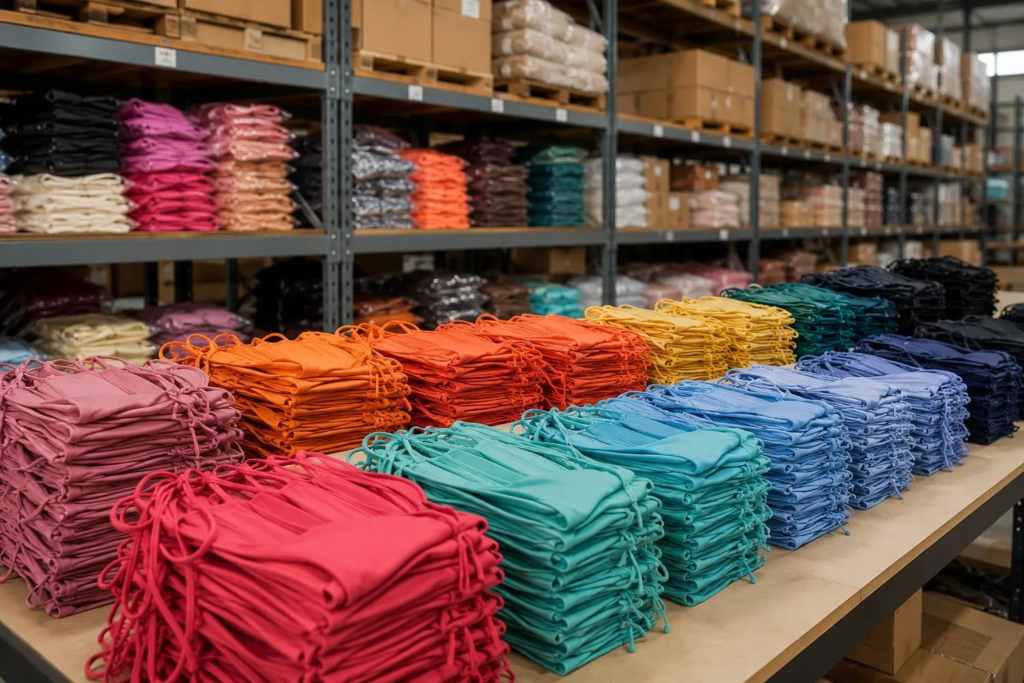
Every retailer who’s tried to grow a swimwear section runs into the same wall eventually. The samples look great, the first small order goes smoothly, and then the moment a bigger order gets placed to actually stock shelves for the season, something shifts. Sizing drifts between batches, fabric quality dips, or the turnaround stretches out far longer than promised.
Buying bikini wholesale at scale isn’t just a larger version of a small order. It carries its own set of risks that only surface once volume enters the picture, and most retailers find that out the hard way.
Start With an Honest Conversation About Volume
Before anything else, retailers need a clear conversation with potential suppliers about what “scale” actually means for both sides. A factory that handles a few hundred units comfortably might struggle to hold the same quality once an order jumps into the thousands.
Ask directly about their maximum comfortable order size and whether quality control changes as volume increases. Some manufacturers build in extra checkpoints for larger runs, while others simply speed up the line, which is exactly the kind of shortcut that leads to inconsistent stitching or sizing drift.
Lock Down Fabric Sourcing Before You Scale
Small orders can sometimes absorb minor fabric variation between batches without anyone noticing. At scale, even small inconsistencies become obvious fast, especially when a retailer is stocking multiple colorways of the same style.
Confirm with the supplier whether they source fabric from a consistent mill and whether that mill can actually supply the volume needed without swapping in a different fabric batch partway through production. This is one of the more overlooked risks of scaling up, since a mid run fabric swap can quietly change the fit, stretch, and durability of the final product.
Take Grading and Size Charts Seriously
Sizing inconsistency is the most common complaint retailers report once they move from small test orders into full scale production. A pattern that fits perfectly during the sample round can drift slightly with each new batch if the factory isn’t strict about maintaining a master pattern.
Ask suppliers how they manage grading across multiple production runs, and whether they keep a locked reference sample that every batch gets checked against. Retailers who skip this step often end up with a size medium that fits differently depending on which week it was made.
Build in Staggered Quality Checks
At small volumes, checking a handful of finished units is usually enough. At scale, that approach breaks down quickly, since defects can slip through unnoticed across a much larger batch. A stronger process includes quality checks at multiple stages: after cutting, partway through stitching, and again before final packing.
Ask potential manufacturers whether they build these staggered checkpoints into large orders or whether quality control only happens at the very end. The earlier a defect is caught, the cheaper it is to fix before it turns into thousands of unsellable units.
Don’t Underestimate Lead Time Creep
Small orders often move through production quickly, but larger orders naturally take more time, and that added time isn’t always communicated clearly upfront. Retailers working toward a specific launch date or seasonal window need to ask pointed questions about how lead times shift as order size grows, rather than accepting a vague estimate.
It also helps to ask what happens if a factory hits a backlog with other clients during peak season, since swim production tends to cluster around the same few months every year.
Sort Out Packaging and Labeling Early
Retailers scaling up often underestimate how much packaging and labeling logistics change at volume. Individual poly bags, folded presentation, retail tags, and barcodes all need to be finalized before a large production run starts, not adjusted afterward.
Getting this wrong at scale means either an expensive repackaging process or shipping product that doesn’t meet retail display standards. Confirm packaging specs and labeling requirements as part of the initial agreement, not as an afterthought once units are already produced.
Ask for References From Other Retailers Who’ve Scaled
Any supplier can put together a good small sample batch. What actually matters is how they perform once volume increases significantly. Ask manufacturers for references from other retail clients who’ve placed comparable bulk orders, and if possible, speak directly with those retailers about consistency, communication, and how issues got resolved when something went wrong.
This kind of firsthand feedback is usually far more reliable than anything in a sales pitch.
Factor In Payment Terms and Risk Exposure
Scaling up an order also means scaling up financial risk. Retailers should think carefully about payment structures, deposits, and what protections exist if a batch arrives with quality issues.
Some suppliers offer more favorable terms to retailers with an established order history, while newer relationships may require full payment upfront. Understanding this risk exposure before committing to a large order helps retailers avoid getting stuck with a costly batch of product they can’t resolve.
Final Thoughts
Scaling up swimwear sourcing isn’t just about placing a bigger version of the same order. It requires renegotiating expectations around quality control, lead times, fabric consistency, and packaging before volume turns into a problem instead of an opportunity.
Retailers who handle this transition carefully, asking the right questions and building in checkpoints along the way, are the ones who manage to grow their swim category without the costly headaches that come from cutting corners at scale.