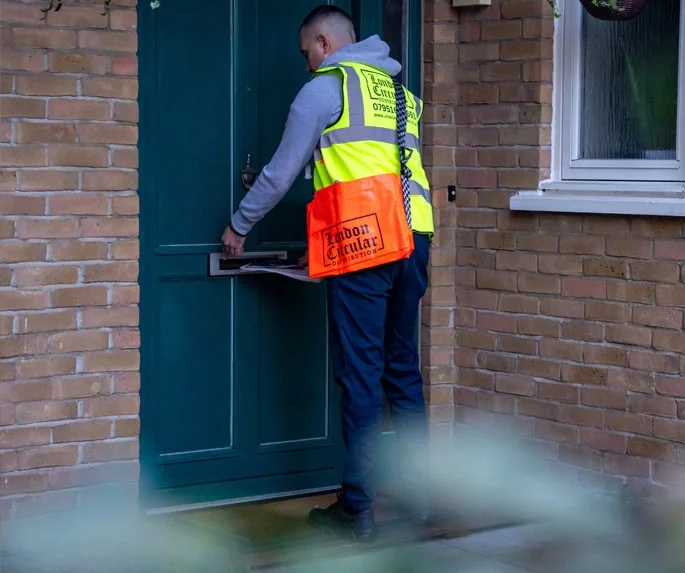
Most business owners compare leaflet quotes by looking at one number, the price per thousand copies. That figure rarely tells the whole story. Leaflet distribution costs also reflect the weight of your print, the type of streets being covered and the overall size of the run, so two quotes for the same quantity can look very different.
Knowing what sits behind a quote helps you plan a campaign that fits your budget without trimming the parts that bring results. Leaflet distribution costs become far easier to control once you see how format, area and campaign size shape the work involved, and that knowledge lets you adjust the brief before printing the leaflets rather than after the money is spent.
Hidden Factors That Push a Quote Higher
Size and Weight Slow Every Letterbox: Leaflets larger or heavier than standard A5 or A6 formats usually cost more to deliver because they take longer to carry, fold and post. A distributor can hold fewer thick brochures in one bag, so routes need more refills. Oversized items may also need folding at the door, which adds seconds that multiply across thousands of homes.
Waiting Until the Last Minute Narrows Choices: Booking late often means paying for a rushed timetable or accepting a smaller area than planned. In day-to-day distribution work, teams frequently see businesses order heavy, unusual formats close to a launch date and then struggle to cover the full area in time. Planning a few weeks ahead keeps format options open and delivery windows realistic.
Streets, Access and Distance Shape Campaign Time
Housing Density Changes the Pace of Delivery: Densely packed terraces and blocks of flats let a distributor reach many letterboxes in a short walk, while detached homes with long driveways take far longer per door. This difference in labour productivity feeds directly into the cost per thousand. A leafy suburb can need noticeably more walking time than an inner London street for the same number of copies.
Access Rules and Gaps Between Streets Add Hours: Gated developments, entry-phone blocks and long gaps between residential roads all extend the time a campaign takes. Some buildings refuse access entirely, which shifts copies to nearby streets. Your chosen delivery area matters too, since a scattered set of postcodes means more travel between drops and less time spent posting leaflets through doors.
One Larger Run Versus Several Small Campaigns
Bigger Runs Usually Earn Better Rates: Larger distribution runs tend to secure a lower rate per thousand than several small campaigns booked separately. Through economies of scale, the fixed work of planning routes, briefing staff and collecting stock spreads across more copies. Teams can also cover neighbouring streets in one continuous pass instead of returning to the same area weeks later.
Smaller Drops Still Have a Place: Separate small campaigns suit businesses testing a new offer or a single postcode before committing more budget. The trade-off is a higher cost per copy and less consistent exposure in the area. A practical middle route is one well-targeted run of around 10,000 copies, which often balances affordability with a response rate worth measuring.
What Goes Into a Clear Written Quote
Campaign Details Reviewed Before Pricing: An accurate written quote starts with the specification of your leaflet, including size, paper weight and quantity, alongside the exact area you want covered. An experienced London distributor will usually check housing types, access issues and travel between streets before naming a figure. This keeps the quote honest and avoids surprise charges once delivery is underway.
Plan Choice and Tracking Built In: The quote also reflects whether you choose shared, solus or selected-street delivery, each with its own balance of cost and response. Leaflet distribution costs stay transparent when GPS tracker reports and back checks are agreed at this stage. Free advice before booking helps you match the plan to your goals rather than guessing what might work.
Points to Confirm Before Signing Off a Campaign
Details That Keep Spending on Track: A few quick checks before booking stop small oversights from becoming expensive. Leaflet distribution costs are easiest to manage when your print specification, area and timing are settled in writing, so everyone works from the same brief and the final invoice matches the figure you approved at the very start.
- Share the exact leaflet size and paper weight before asking for a price.
- List any gated estates or blocks with restricted entry in your target area.
- Keep your chosen postcodes close together to reduce travel between streets.
- Combine planned drops into one larger run where your timing allows it.
- Ask for tracking and back checks to be included in the written quote.
Turning a Fair Quote Into Real Results
A quote that reflects your real leaflet, real streets and real campaign size gives you a budget you can trust. Understanding leaflet distribution costs puts you in a stronger position to choose the format, area and plan that bring enquiries rather than waste. Every decision made early saves money once the leaflets are out on the street.
Leaving the brief vague until the week of a launch often costs more and covers less ground than you hoped. Clear details shared now give you more choice and a sharper price. Get in touch with the team for free advice and a written quote tailored to your leaflet, your target area and your campaign goals.