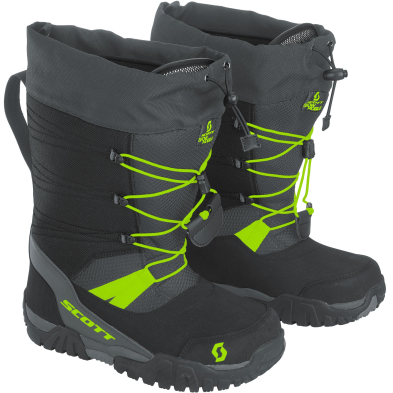
Cold feet rarely show up at the start of a ride. They creep in after an hour on the trail, when a tight toe box or thin lining starts to matter more than any engine setting. Well-chosen snowmobile boots in Canada keep your feet warm and settled, so a long day of riding stays comfortable from the first kilometre to the last.
Comfort on the sled comes down to how a boot fits and how well it handles cold and sweat over several hours. Snowmobile boots in Canada that match your foot shape and ride length let you focus on the trail instead of wiggling your toes at every stop. Trying them on properly makes the biggest difference.
Fit Problems and Pressure Points That Cut Rides Short
Tight Boots That Restrict Blood Flow: A boot that squeezes the foot reduces circulation, and reduced circulation is one of the fastest routes to cold toes. Snug laces or a narrow toe box press on blood vessels across the top and sides of the foot. Even a well-insulated boot struggles to keep you warm when warm blood cannot reach your toes.
Thin Insulation and the Body’s Cold Response: When boot insulation falls short, your body responds by narrowing blood vessels in the hands and feet to protect core temperature. This process, known as peripheral vasoconstriction, makes toes feel numb and clumsy on the footrests. Riders then shift their feet constantly, which breaks concentration and adds strain to the calves and ankles.
Pressure Points That Worsen with Every Season: Pressure points from a poorly fitted boot tend to grow worse over time, not better. Rubbing at the heel or ankle bone can lead to blisters, sore tendons and a habit of riding in awkward positions. In everyday fitting work, footwear specialists regularly see riders who put up with painful boots for several winters before finally replacing them.
Fitting Room Checks for Sock Thickness, Toe Room and Ankle Support
Sock Thickness and Toe Room: The right way to try on snowmobile boots is to wear the same socks you ride in, because sock thickness changes the fit noticeably. A thick merino sock can turn a comfortable boot into a tight one. Aim for about a finger’s width of space beyond your longest toe, so warm air can circulate around the foot.
Ankle Support and Ease of Movement: Good snowmobile boots hold the ankle firmly without locking it in place. You need enough support to brace against bumps and stand on the running boards, yet enough flex to shift weight in corners. Walk around the shop, crouch and kneel. If your heel lifts or the shaft digs into your shin, keep looking.
Insulation and Moisture Management for Ride-and-Stop Days
Insulation Ratings and Real Trail Conditions: Insulation weight, often listed in grams, gives a rough idea of how warm a boot will feel, but activity level matters just as much. Riders who sit still for long stretches need more insulation than those who stand and move often. Removable liners help here, because you can dry them overnight and start the next day warm.
Sweat Control during Brief Stops Outdoors: Feet tend to sweat while riding, and that moisture turns cold fast once you stop to refuel or take photos. Membranes with good moisture vapour transmission let sweat escape as vapour while blocking snow and slush from outside. Pairing them with wicking socks keeps the insulation dry, and dry insulation holds heat far better than damp.
Comparing Boot Models by Ride Length and Cold-Weather Needs
Lighter Boots versus Heavily Insulated Models: Lighter boots suit short trail loops and milder days, since they flex easily and feel less bulky on the footrests. Their trade-off is less warmth once temperatures drop well below freezing. Heavily insulated models handle all-day rides in deep cold, though they weigh more and can feel stiff when you walk around at stops.
Matching Boots to Your Typical Ride: Comparing several snowmobile boots in Canada side by side helps you pick a pair that suits how long and how cold you usually ride. Mid-weight boots with removable liners and a waterproof shell often cover the widest range of conditions. A boot that fits well also lasts longer, because it creases less and wears evenly across seasons.
Signs Your Current Boots No Longer Suit Your Rides
Warning Signs Worth Checking before Winter: Reliable snowmobile boots in Canada should keep you warm and steady for the length of your usual ride. When they stop doing that, the cause is often wear rather than weather. A quick inspection before the first snowfall can reveal problems that are easy to miss until you are already far from the trailhead.
- Cold toes within the first hour often point to compressed insulation.
- Damp liners after a ride suggest the outer shell or membrane is failing.
- Heel lift when walking signals a stretched or worn boot.
- Cracked soles reduce grip on icy running boards.
Warm Feet for Every Kilometre of Winter Trail
Boots that fit well and manage warmth and moisture let you enjoy longer rides without counting the minutes until the next warm-up. Putting off a replacement usually means another season of cold toes and sore ankles on every outing. Get in touch for fitting advice, and choose snowmobile boots in Canada that suit the way you ride.