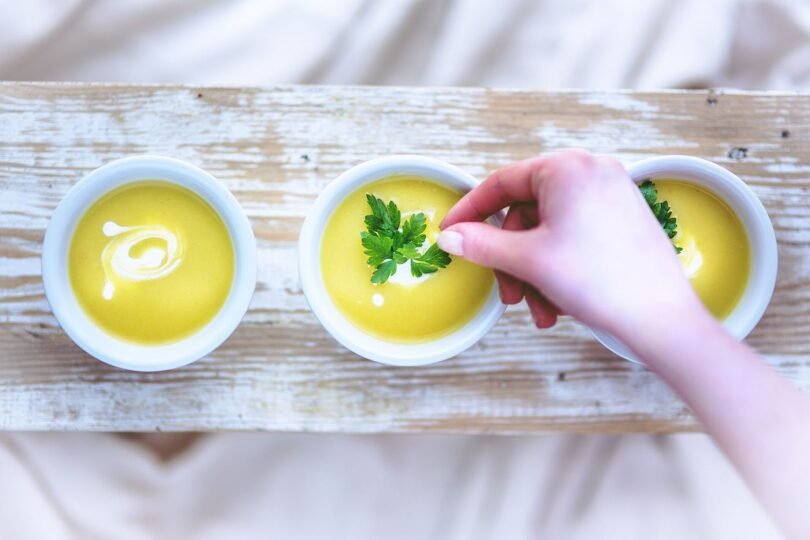

Behaviour change rarely survives on information alone, which is why psychologists pay close attention to cooking groups where people practise skills rather than simply hearing healthy eating advice. The key mechanism is self efficacy, the belief that you can actually do something, and it grows through small, successful experiences: chopping vegetables safely, seasoning a dish that tastes good, and taking home food you made yourself. Instructors design early sessions for guaranteed wins, choosing forgiving recipes and demonstrating each step before participants try it. Watching peers of a similar age and background succeed also helps, because people judge their own chances partly by seeing others like them manage the task. Funders increasingly ask for this confidence evidence, not just attendance numbers, when deciding whether community cooking programmes deserve continued support in future budget rounds.
What the Evidence Shows
As confidence grows, groups introduce slightly harder techniques, and participants begin adapting recipes at home, the clearest sign that change is transferring beyond the class. Psychologists note that setbacks are handled differently in a supportive group; a bland dish becomes shared problem solving rather than private proof of failure. Keeping a record of dishes mastered, and cooking one familiar recipe weekly, consolidates the new identity of someone who cooks. Health programmes use this model because dietary habits built on confidence and enjoyment tend to outlast those built on guilt or short term challenges. Over a season, organisers say, the change is visible in shopping baskets, home kitchens, and participants’ willingness to try unfamiliar vegetables. Graduates of longer courses are sometimes invited back as peer helpers, a role that cements their own skills while showing new participants what progress looks like. Reporting and analysis from sources such as Nature Human Behaviour track the same developments, and specialists following cooking confidence and self efficacy say the direction is now consistent across independent lines of evidence.
The Wider Context
The wider context is a discipline rebuilding confidence through replication and pre-registration, and findings on cooking confidence and self efficacy are being reported with their effect sizes and limits attached. That honesty can make results sound smaller than the headlines of a decade ago, but the effects that survive are the ones practitioners can responsibly build on.
What Happens Next
What happens next in research on cooking confidence and self efficacy is a turn toward real-world trials: longer, larger and conducted in the schools, workplaces and clinics where the findings are meant to apply. Psychologists are also studying individual differences more seriously, because average effects conceal the people for whom an approach works powerfully and those it leaves cold. Both shifts make the science slower and more useful. You can follow related developments in our coverage of psychology.
None of this will be settled by a single announcement, study or product launch. The pattern to watch is accumulation: independent confirmations, honest reporting of failures and steady improvement in the underlying numbers. Readers who follow those signals, rather than the loudest claim of the week, will understand this subject better than most of the commentary surrounding it suggests is possible.