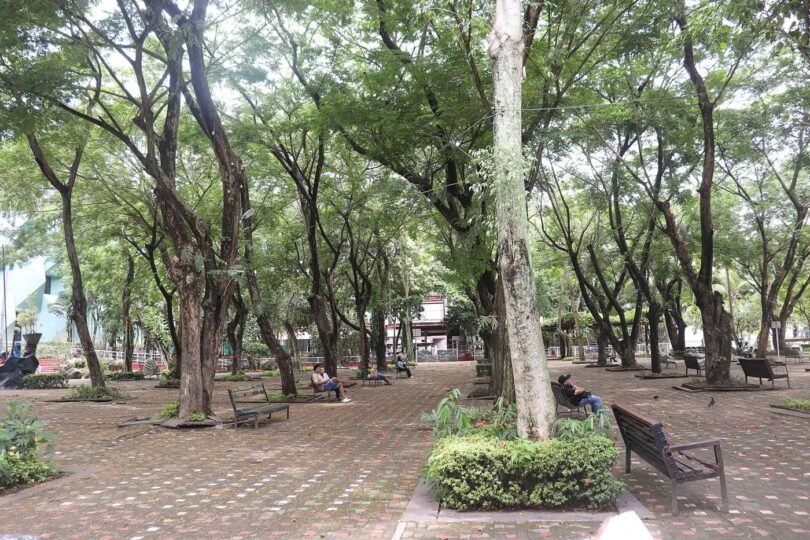

Health services are reminding city residents how to stay safe during heatwaves, with simple advice that centres on finding shade, drinking water regularly and knowing the warning signs of heat exhaustion. Urban areas trap heat in concrete and asphalt, so temperatures on a city street can run several degrees higher than in surrounding countryside, and the risk is greatest for older people, young children, outdoor workers and anyone with a heart or breathing condition. Doctors advise planning the day around the heat: doing errands early or late, resting in shaded parks or air-conditioned libraries during the hottest hours, and carrying water rather than waiting to feel thirsty. Light clothing, a hat and sunscreen complete the basics, and neighbours are encouraged to check on people living alone, since heat illness can develop quietly and quickly in a hot flat.
What the Evidence Shows
Clinicians say the warning signs to watch for include heavy sweating, dizziness, nausea, headache and confusion, and anyone showing them should be moved to a cooler place, given water and cooled with damp cloths. If symptoms worsen or the person stops sweating, emergency help should be called immediately, because heatstroke can become life-threatening within an hour. Employers have a duty to protect outdoor workers with shaded rest breaks, water and adjusted schedules, and schools are advised to keep children out of direct sun at midday. Public health teams also recommend learning where the nearest cool spaces are before a heatwave arrives, from shopping centres to community halls. Most heat illness is preventable, doctors stress, and a little planning before the temperature rises makes all the difference. Checking on older neighbours and carrying a bottle of water are small habits that can prevent a serious emergency. Reporting and analysis from sources such as The Lancet track the same developments, and specialists following heatwave shade and water say the direction is now consistent across independent lines of evidence.
The Wider Context
Equity runs through every discussion of heatwave shade and water. Interventions that require apps, fees or free weekday afternoons reliably reach the people who need them least, so the programmes earning praise are those designed around clinics, workplaces and community venues that already serve everyone. Evaluation reports now publish uptake by income and region as a matter of routine.
What Happens Next
The practical takeaway on heatwave shade and water is deliberately unglamorous: it works best as part of ordinary, well-delivered care rather than as a standalone fix. Health services are planning on that basis, building the referral routes and follow-up that turn a promising result into population benefit. The gains arrive slowly and then, in the statistics, unmistakably. You can follow related developments in our coverage of health.
It is also worth remembering how quickly the picture in this area has changed before. Positions that looked settled a few years ago have been revised as new data arrived, and the same humility is appropriate now. The strongest coverage of this subject, and the most useful advice, tends to come from sources that update their views openly when the facts move, rather than defending an earlier position long after it has stopped fitting the evidence available.