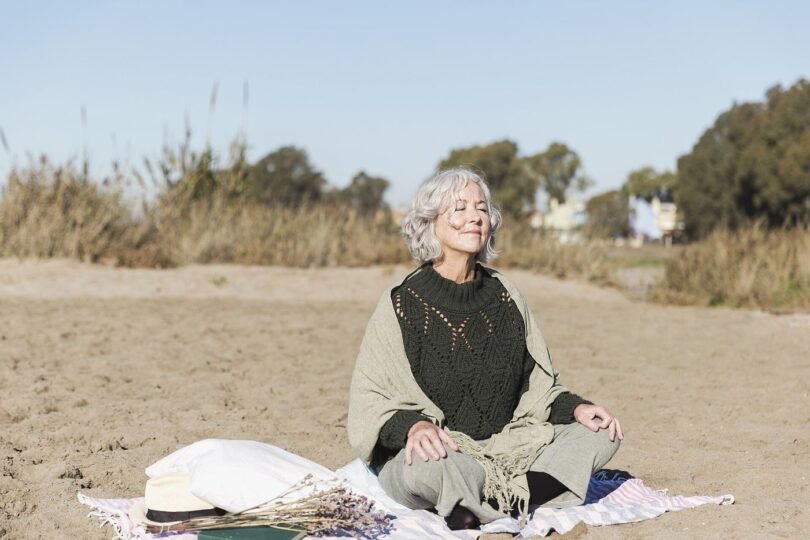

Slow breathing exercises are gaining attention as a simple, free tool for managing daily stress, with a growing body of research linking deliberate, unhurried breathing to calmer heart rate patterns and reduced feelings of tension. The basic practice involves breathing in gently through the nose and out for slightly longer than the inhale, for a few minutes at a time, without forcing depth or holding the breath uncomfortably. Many people find a natural rhythm around five or six breaths per minute, though comfort matters more than exact counts. Physiologists explain that slow exhaling interacts with the nervous system pathways that regulate arousal, which is why the technique can feel settling before presentations, difficult conversations or sleep. Because it needs no equipment or special setting, breathing practice fits into commutes, work breaks and bedtime routines where other stress strategies may be impractical.
What the Evidence Shows
Mental health professionals position breathing as one tool among many, not a substitute for treatment when anxiety or low mood is persistent, severe or affecting daily life. Anyone who feels dizzy during practice should return to normal breathing and try shorter, gentler sessions, and people with respiratory conditions may wish to seek individual guidance first. Combining slow breathing with regular activity, sufficient sleep, limited caffeine and time outdoors strengthens its effect, since stress responses are shaped by overall routines. Apps and short guided recordings can help beginners keep pace, although screens are not required once the rhythm is familiar. Keeping a brief note of when the practice is used and how it felt encourages consistency and reveals which situations benefit most. Practised regularly in calm moments, the skill becomes easier to reach for when pressure genuinely rises. Short daily sessions are generally more effective than occasional long and effortful attempts. Reporting and analysis from sources such as The Lancet track the same developments, and specialists following slow breathing exercises for daily stress say the direction is now consistent across independent lines of evidence.
The Wider Context
Equity runs through every discussion of slow breathing exercises for daily stress. Interventions that require apps, fees or free weekday afternoons reliably reach the people who need them least, so the programmes earning praise are those designed around clinics, workplaces and community venues that already serve everyone. Evaluation reports now publish uptake by income and region as a matter of routine.
What Happens Next
The practical takeaway on slow breathing exercises for daily stress is deliberately unglamorous: it works best as part of ordinary, well-delivered care rather than as a standalone fix. Health services are planning on that basis, building the referral routes and follow-up that turn a promising result into population benefit. The gains arrive slowly and then, in the statistics, unmistakably. You can follow related developments in our coverage of health.
It is also worth remembering how quickly the picture in this area has changed before. Positions that looked settled a few years ago have been revised as new data arrived, and the same humility is appropriate now. The strongest coverage of this subject, and the most useful advice, tends to come from sources that update their views openly when the facts move, rather than defending an earlier position long after it has stopped fitting the evidence available.