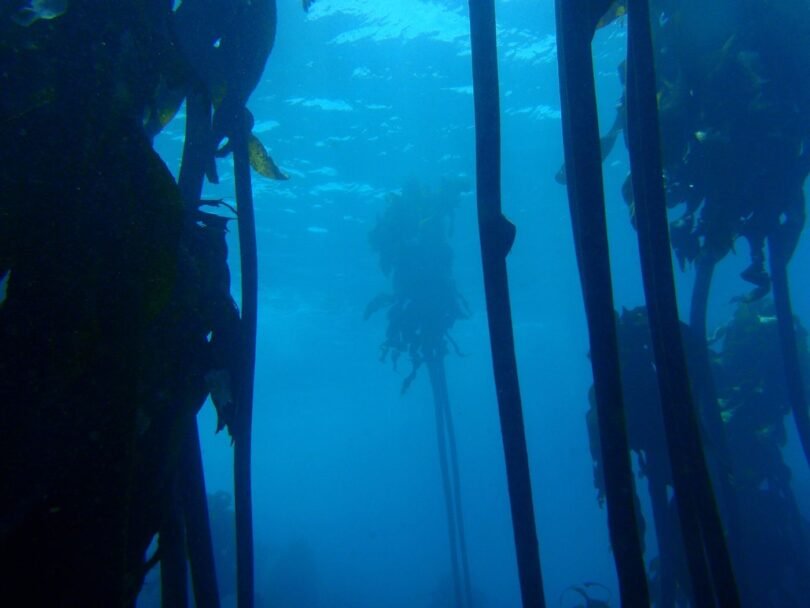

Kelp forests are among the most productive habitats in the sea, sheltering young fish, absorbing carbon and buffering coastlines from waves, yet in many places they have been stripped bare by exploding numbers of sea urchins. When urchins lose their natural predators, they graze kelp down to the rock, leaving pale underwater barrens where little else can live. Marine restoration teams are now showing that the damage can be reversed: where urchin numbers are reduced, through careful harvesting or targeted removal by divers, young kelp returns within a season or two and the forest rebuilds itself. Projects along several coastlines report encouraging recoveries, with fish and other species returning as the kelp canopy regrows. Conservationists say the results are significant because kelp restoration has often been seen as slow and uncertain, while urchin control offers a practical lever that local teams can pull.
What the Evidence Shows
The work is labour-intensive and needs to be maintained, since urchins drift back in from surrounding areas and can re-establish barrens if the effort stops. Some projects have turned the problem into an opportunity by developing markets for urchin roe, giving divers an income from the removal work. Others rely on the return of predators such as sea otters and large fish, protected by fishing rules, to keep urchin numbers down naturally. Scientists stress that urchin control works best alongside action on warming waters, which also stress kelp, and that restored forests need monitoring to confirm they survive storms and heatwaves. Even so, the recovery stories are spreading, and coastal communities are increasingly seeing kelp restoration as a practical investment in fisheries, tourism and a healthier sea. Researchers add that restored kelp also helps local fisheries, since young fish shelter in the canopy and return to coastal waters in greater numbers within a few seasons. Reporting and analysis from sources such as Nature track the same developments, and specialists following the recovering kelp forest say the direction is now consistent across independent lines of evidence.
The Wider Context
The wider context is a research landscape in which replication and open data now decide reputations. Findings connected to the recovering kelp forest are being checked by independent groups with shared datasets, and the teams involved publish their methods in full so rivals can test every step. That discipline is slower than a headline cycle, but it is why results in this area increasingly survive first contact with scrutiny.
What Happens Next
What happens next in the story of the recovering kelp forest will be decided by follow-up work already under way: larger samples, longer observation and instruments that have not yet come online. The researchers involved are unusually united on one point, that the current results justify the next investment of time and money. Readers will not have to wait long for the first tests of that claim. You can follow related developments in our coverage of science.
None of this will be settled by a single announcement, study or product launch. The pattern to watch is accumulation: independent confirmations, honest reporting of failures and steady improvement in the underlying numbers. Readers who follow those signals, rather than the loudest claim of the week, will understand this subject better than most of the commentary surrounding it suggests is possible.