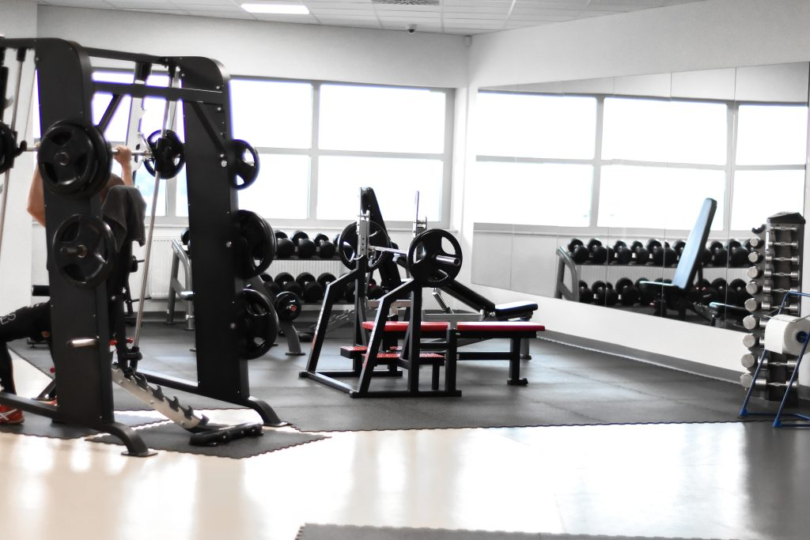

Staying active becomes easier when exercise equipment is set up properly at home. A dedicated workout space allows people to exercise around their daily responsibilities without travelling to a fitness centre. However, having the right equipment is only one part of creating a useful home gym. Correct home gym assembly helps ensure that machines are stable, properly aligned and ready for regular use. From treadmills and exercise bikes to weight benches and power racks, every piece of equipment needs careful installation. We Install It provides professional assembly and installation services for different types of home fitness equipment, helping homeowners create practical workout spaces that support their everyday fitness routines.
A Proper Setup Makes Daily Exercise More Convenient
A home gym gives people more control over their exercise schedules. They can work out before starting their day, take a break between household responsibilities or exercise in the evening. Having equipment ready to use removes some of the common barriers that make regular exercise difficult. A properly assembled gym also makes it easier to move between different activities. For example, someone can start with a few minutes on an exercise bike, continue with strength training and finish with stretching. A well-organised space keeps equipment accessible and reduces the time spent preparing for each session.
When machines are installed in their intended positions, users can follow their routines without constantly moving equipment around. This makes home workouts more practical, particularly for people with limited time.
Safety Starts With Correct Equipment Installation
Safety should be a priority when setting up a home gym. Fitness equipment often includes moving parts, heavy frames, cables and adjustable components. Incorrect installation can affect how these parts function and may create unnecessary risks during exercise.
Professional assembly helps ensure that equipment is put together according to the manufacturer’s instructions. Important checks include:
- Frame stability: The main structure should be properly connected and secured to prevent unwanted movement.
- Bolt and screw placement: Fasteners need to be installed and tightened correctly.
- Moving components: Belts, pulleys, rollers and cables should be positioned correctly for normal operation.
- Weight capacity: Equipment should be assembled according to its specified load limits.
- Floor positioning: Machines should sit on a suitable, level surface to support stability.
These details matter for both beginners and experienced fitness enthusiasts. A treadmill that moves during use or a weight bench with loose connections can interrupt exercise and increase the chance of accidents. Careful installation provides a more reliable starting point for everyday workouts.
Different Equipment Requires Different Assembly Methods
Every home gym contains different equipment, and each type has its own installation requirements. Some machines have complex frames and electrical components, while others involve multiple adjustable parts that need accurate positioning.
Cardio Equipment
Treadmills, elliptical machines, rowing machines and stationary bikes are common choices for home workouts. These machines support activities such as walking, running, cycling and endurance training.
Their assembly involves checking the frame, connecting the required components and ensuring that moving parts operate correctly. Treadmill belts, for example, need proper alignment and tension. Exercise bikes also require secure seat, handlebar and pedal connections.
Strength Training Equipment
Weight benches, power racks, squat stands, cable machines and dumbbell racks need careful assembly because they support heavy loads. Their frames and connection points must be secure before anyone begins lifting weights.
Proper positioning also gives users enough room to perform exercises with a full range of movement. This is particularly useful for activities such as squats, bench presses and resistance training.
Protective Flooring and Mats
Flooring is another part of a functional home gym. Rubber flooring, foam mats and shock-absorbing tiles can help protect floor surfaces from scratches and reduce noise from dropped weights or moving equipment.
Suitable flooring also provides a more stable workout surface. The right choice depends on the equipment, room layout and type of exercise being performed.
An Organised Workout Space Encourages Consistency
A home gym does not need to occupy an entire room. Even a small spare room, basement or garage can provide enough space for a practical exercise setup. The main requirement is an arrangement that allows people to use their equipment comfortably. Planning the layout before installation helps prevent common space-related problems. Treadmills and exercise bikes need enough clearance around them, while strength equipment requires room for lifting and movement. Keeping frequently used items within easy reach can also make exercise sessions more convenient. Dumbbells, resistance bands, yoga mats and other accessories should have designated storage areas rather than being left across the floor. An organised setup reduces unnecessary interruptions and makes it easier to return equipment to its proper place after each workout. Over time, these small details can support a more consistent exercise routine.
Professional Assembly Saves Time and Reduces Installation Errors
Many fitness machines arrive in multiple parts and include detailed instruction manuals. Some require several tools, multiple assembly stages and careful adjustments before they can be used. For homeowners without previous assembly experience, the process can take longer than expected. Missing a connection, fitting a component incorrectly or overlooking an adjustment can also affect the equipment’s operation.
Professional home gym installation helps reduce these challenges. Trained installers can review the equipment model, understand its assembly requirements and complete the setup using suitable tools. We Install It handles different residential fitness equipment, including cardio machines, strength training systems and protective gym flooring. Having installation managed by experienced professionals can save homeowners time while helping ensure that equipment is positioned and assembled correctly. Professional assistance can be particularly useful for larger multi-station machines, heavy power racks and equipment with several moving components. It also allows homeowners to focus on planning their workout space instead of spending hours working through complicated assembly instructions.
Regular Maintenance Helps Keep Equipment Ready to Use
Correct assembly provides a good starting point, but regular maintenance is also necessary for equipment that receives frequent use. Moving parts can experience wear over time, and loose connections may develop after repeated workouts.
Basic maintenance tasks include:
- Checking bolts, screws and frame connections periodically.
- Cleaning handles, seats and surfaces after exercise.
- Inspecting cables and belts for visible signs of wear.
- Lubricating moving components according to manufacturer instructions.
- Keeping equipment free from dust and moisture.
- Checking that machines remain level and stable.
Treadmills may require belt inspections and lubrication, while cable machines need checks for fraying or damage. Following the manufacturer’s maintenance instructions can help identify small problems before they affect normal operation.
If a machine develops unusual noises, excessive movement or resistance problems, it should be inspected before further use. We Install It also offers maintenance and repair support, including adjustments and replacement of worn components.
A Home Gym That Fits Changing Fitness Needs
Fitness routines can change as people develop new interests, build strength or adjust their exercise goals. Someone who starts with a stationary bike may eventually add free weights, a bench or a cable machine. A well-planned gym layout makes it easier to accommodate these changes. Leaving some available floor space, choosing suitable storage and considering future equipment needs can help prevent the room from becoming overcrowded.
It is also useful to review how often each machine is used. Equipment that supports daily activities should be easy to access, while occasional-use items can be stored in a separate area. A functional home gym should support the people using it rather than simply contain as much equipment as possible. Proper installation, sensible spacing and regular maintenance help create a workout environment that remains useful as fitness habits develop.
Make Everyday Workouts Easier With the Right Setup
A home gym can support regular exercise by making fitness more accessible and convenient. However, equipment needs to be assembled correctly, positioned safely and maintained to remain suitable for everyday use. Professional installation helps reduce setup difficulties and gives homeowners a more organised space for their fitness activities.
For homeowners planning a new workout area or adding equipment to an existing one, We Install It offers professional assembly and installation services for a range of residential fitness machines. A properly prepared space makes it easier to stay active and maintain a regular workout schedule. Ready to set up your home workout space? Contact We Install It today for professional home gym assembly and create a safe, organised space that supports your everyday fitness routine.