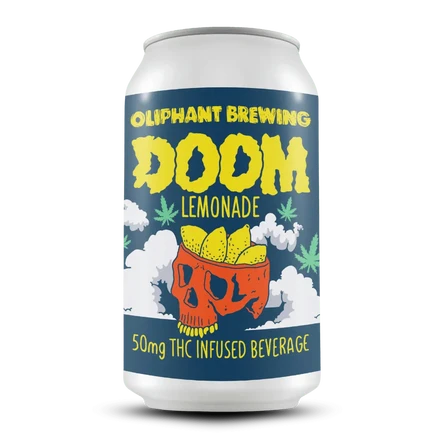

Cannabis beverages offer an alternative format for adults interested in THC-infused products, combining familiar drink formats with measured cannabinoid content. People researching where to shop 25 mg thc beverages should look beyond flavour and packaging to understand serving sizes, THC concentration, ingredient transparency, product testing, and local purchasing regulations. A beverage containing 25 milligrams of THC is a high-potency product for many consumers, making accurate labelling and responsible handling particularly important.
Why Are THC Beverages Different from Other Cannabis Products?
THC beverages are infused drinks containing tetrahydrocannabinol, the compound responsible for the intoxicating effects associated with cannabis. They are available in different formats, including sparkling waters, sodas, teas, and flavoured canned drinks.
Unlike traditional cannabis edibles, which are commonly sold as gummies, chocolates, or baked goods, beverages have a liquid format. Their ingredients and formulations can differ considerably between manufacturers.
Some products use emulsification technology to disperse cannabinoids throughout the liquid. This can help maintain a consistent formulation, although the actual absorption and onset of effects still depend on the product and individual factors.
The beverage format may appeal to adults who prefer a drink over a conventional edible. However, the familiar appearance of a soda or sparkling water should not make consumers overlook its THC content.
What Does a 25 mg THC Label Actually Mean?
The number printed on a cannabis beverage can refer to the THC content in an individual container or a specified serving. Understanding this distinction is essential before purchasing.
A 25 mg THC beverage contains a stated amount of 25 milligrams of THC, but consumers should check whether that amount applies to the entire can or a smaller serving.
For example, a container may list multiple servings, with the total cannabinoid content distributed across them. Reading the nutrition-style product panel and cannabinoid information helps prevent misunderstandings.
For adults without established cannabis tolerance, 25 mg can represent a substantial amount. Even experienced consumers may respond differently depending on metabolism, previous exposure, medications, and other individual circumstances.
The CDC explains that edible cannabis products can produce delayed and sometimes unpredictable effects. Consumers should not assume that a beverage will act like an ordinary soft drink simply because it comes in a familiar container.
Factors to Examine Before Buying
Product quality involves more than THC concentration. Ingredient information, manufacturing practices, packaging, and independent testing can help consumers make informed purchasing decisions.
Cannabinoid information: Check the stated THC quantity and whether the product contains CBD or other cannabinoids. Different formulations may produce different experiences.
Ingredient transparency: Review sweeteners, flavourings, preservatives, allergens, and other listed ingredients. This is particularly relevant for people with dietary restrictions.
Testing documentation: Look for a certificate of analysis (COA), where available. Independent laboratory testing may provide information about cannabinoid concentrations and screening for contaminants.
Packaging details: Child-resistant packaging and clear warning labels are important safeguards for cannabis-containing products.
Manufacturer information: Check whether the producer provides accessible product details, batch information, and appropriate regulatory disclosures.
A product with clear documentation makes it easier to assess what is inside the container rather than relying on promotional descriptions.
Flavour and Formulation Can Influence Product Preferences
Cannabis beverages are available in several flavour profiles. Citrus, berry, tropical fruit, herbal, and sparkling varieties are among the formats consumers may encounter in regulated markets.
Some drinks are designed to resemble conventional sparkling refreshments, while others have more distinctive botanical or cannabis-associated flavours.
Sweetness is another consideration. Some formulations contain added sugar, while others use alternative sweeteners or have a lighter flavour profile. Checking the ingredient panel can help consumers compare options based on their preferences.
The base beverage also matters. Carbonation, acidity, flavouring ingredients, and texture can influence how enjoyable a drink is to consume. These characteristics are separate from THC potency and should not be treated as indicators of a stronger or faster effect.
How Cannabis Beverage Brands Approach Product Quality
Manufacturers may use different production methods, ingredient combinations, and cannabinoid formulations. Consistency between batches is particularly relevant because consumers rely on product labels to understand the contents of each container.
Oliphant Brewing is a brand name associated with the cannabis beverage space. Consumers researching its products should review the specific beverage descriptions, cannabinoid quantities, ingredient information, and testing documentation available for each product rather than assuming every item has the same formulation.
Manufacturing transparency also matters. Clear batch identification and accessible testing information can help consumers distinguish between products with documented specifications and those relying mainly on marketing claims.
A recognised brand name alone does not establish product quality or suitability. The actual product information should guide purchasing decisions.
Why Responsible Consumption Deserves Attention
THC beverages can cause intoxication, impaired coordination, altered perception, anxiety, confusion, and other unwanted effects. The intensity and duration vary between individuals and products.
Unlike alcohol-free soft drinks, THC-infused beverages contain a psychoactive ingredient. Their consumption should therefore be approached with appropriate caution.
The CDC reports that edible cannabis effects may take approximately 30 minutes to two hours to become noticeable. Effects can last longer than expected, and consuming additional THC before the initial effects appear may increase the risk of unpleasant reactions.
A 25 mg product should not be treated as an ordinary single-serving refreshment. Consumers should follow applicable product warnings and health guidance, avoid combining THC with alcohol or other intoxicating substances, and never drive or operate machinery after consumption.
Cannabis beverages must also be stored securely away from children and pets. Accidental ingestion can cause serious health problems, particularly in young children.
Understanding Local Laws Before Making a Purchase
Cannabis regulations differ significantly between countries, states, and local jurisdictions. Rules may govern THC concentration, permitted beverage formats, retail licensing, advertising, packaging, and minimum purchasing age.
A product legally sold in one state may be prohibited in another. Cross-border transportation can also create legal complications, even when the product was purchased legally.
Consumers should verify local regulations and purchase only through authorised channels where cannabis products are legally available. Online availability does not automatically mean a product can legally be shipped to every destination.
Age restrictions and identity verification requirements should also be checked before attempting to purchase a cannabis-infused drink.
Making an Informed Choice About Cannabis Drinks
A beverage’s THC number may attract attention, but product information provides a much clearer picture of what is being purchased. Ingredient transparency, laboratory documentation, packaging, cannabinoid concentration, and local compliance all deserve consideration. Contact us today to learn more about available product information and resources for understanding cannabis beverage options. Responsible decisions begin with accurate information, careful label reading, and respect for the legal requirements governing these products.