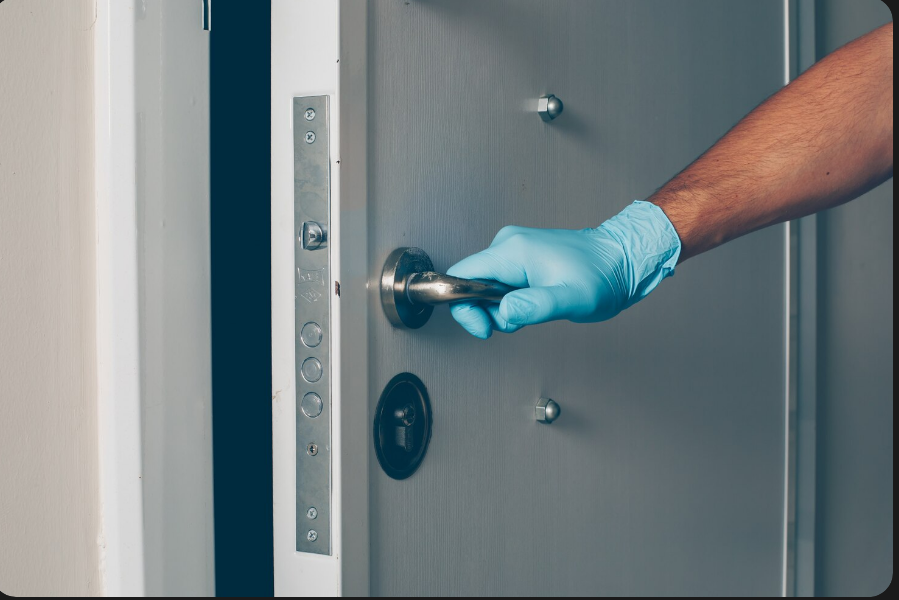
Rekeying is one of those locksmith services most people don’t think about until a specific situation forces the question. You just bought a house. The previous owner probably handed over the keys they used, but how many other keys are out there? You lost your keychain at the gym last Saturday. The keys had your address on the fob. Your cleaning service stopped coming three months ago, but they had a copy of the front door key. None of these situations involves a broken lock or a current emergency. All of them involve the same underlying problem: you don’t actually know how many copies of your house key are out there, or who has them.
The other thing worth understanding is that rekeying and replacing locks aren’t the same thing. Replacing means removing the existing lock entirely and installing a brand-new one. Rekeying means keeping the same lock body but changing the internal pin configuration so the old keys no longer work and new keys are required. Rekeying is dramatically cheaper and faster and produces essentially the same security outcome in most situations. Which is why a residential locksmith in Boca Raton handling this kind of work spends a lot of time explaining the difference to customers who think they need to replace locks when rekeying would solve the same problem for a fraction of the cost.
Boca Raton has multiple locksmiths handling residential work across the metro. Sunshine State Lock and Key is one of the Boca Raton-area residential locksmiths, operating in Boca Raton, offering rekeying alongside lock replacement, emergency lockouts, and security upgrades. Nothing here recommends any specific company. What follows is a walkthrough of when rekeying is the right call, when it isn’t, and what homeowners should know before scheduling the work.
What Rekeying Actually Is (And How It’s Different From Replacing Locks)
A standard pin tumbler lock has a row of small spring-loaded pins inside the cylinder. The pins come in different heights, and the specific combination of heights is what makes one key work and another key fail. Rekeying involves removing those pins and replacing them with a new set in a different height configuration. The lock itself stays in place. Only the internal pins change. Once the work is done, the old keys won’t turn the cylinder anymore. New keys will be cut to match the new pin configuration.
The cost difference is significant. Rekeying typically costs $15-$50 per cylinder, depending on the lock’s complexity. Replacing locks runs $50-$200 per lock for standard residential hardware, much higher for high-security or smart locks. For a typical house with three or four exterior doors, rekeying all of them might cost $80-$150. Replacing all of them often runs $300-$800.
After Buying a New Home
Buying a house comes with an unknown number of key copies floating around from the previous owner’s life. Previous cleaners. Previous dog walkers. Adult children of the previous owners. Previous real estate showings. Whoever the previous owner gave keys to over the years of ownership.
The Bureau of Justice Statistics’ data on household burglary shows that residential burglary remains one of the most common property crimes in the country, with millions of incidents per year. Not all of those involve key access, but enough do that walking into a new home without addressing the unknown-key-copies issue is taking a real risk. New homeowners rekeying all exterior locks within the first week of moving in is one of the more reliable security baselines. The cost is small relative to closing costs. The peace of mind is substantial.
After Losing Track of Who Has Keys
Babysitters who stopped working with the family two years ago. Cleaning services rotated through over several years. Contractors who came in for renovations. Family members who had keys for specific situations and never returned them. House sitters from past vacations. Friends who used to dog-sit and no longer do.
The Insurance Information Institute’s guidance on home burglary prevention notes that deadbolts and quality locks slow down burglary attempts, but only if the people who shouldn’t have keys actually don’t have them. Rekeying solves the population-of-copies problem in a single afternoon. After rekeying, the only keys that work are the ones currently in the homeowner’s hands.
After a Lost or Stolen Key
Lost keys are an immediate rekey situation. The lost key might be sitting in a parking lot somewhere and end up in a trash can. Or it might end up in the hands of someone who knows the homeowner’s address. The risk isn’t always high. The cost of finding out the hard way is high.
Stolen keys are worse. A wallet stolen with house keys inside, with the address visible on a driver’s license, is essentially a delivery service for the thief. Same for purse theft. Same for car break-ins where keys were left in the vehicle. Rekeying within 24-48 hours of any of these situations is the right move. The lost key might surface on its own. The risk of waiting to find out isn’t worth it.
After a Roommate, Tenant, or Partner Moves Out
Roommates moving out is a common trigger for rekeying. Even on good terms, the keys they had during the lease still exist somewhere. They might genuinely have lost track of them. They might have made copies that are sitting in a drawer they don’t think about anymore. Rekeying clears the unknowns.
Tenants moving out is the same situation from the landlord’s side. Best practice in property management is to rekey between tenants. Some landlords skip it to save money, which is also why some rental properties get burglarized by people who hold copies from previous tenancies.
Partners moving out after a relationship ends is a more sensitive version of the same situation. Tense breakups especially benefit from rekeying because the emotional dynamics make key retrieval awkward and unreliable. Rekeying ends the conversation cleanly.
After a Break-In Attempt or Suspicious Activity
A failed break-in attempt might still have provided enough access to later attempt key duplication. A burglar who was inside a home for a few minutes might have grabbed spare keys from a kitchen drawer or a hook by the door. A successful burglary almost always warrants rekeying as part of the recovery process, along with any other security upgrades the situation calls for.
Suspicious activity around the home (such as someone watching the property, strangers asking questions about routines, or neighbors reporting unusual visitors) is another reasonable trigger for a rekey. Acting on warning signs before a problem materializes is much cheaper than recovering from a burglary that actually happens.
Condo, HOA, and Rental Considerations in Boca Raton
Boca Raton has substantial condominium and HOA-governed housing stock. Some condo associations have restrictions on lock changes or rekeying (e.g., master key systems or association-controlled access). Reading the governing documents before scheduling rekey work is worth the few minutes it takes.
Rental properties have separate considerations. Tenants generally have the right to request rekeying between tenancies in most jurisdictions, though specifics vary by jurisdiction. Florida law allows landlords to charge tenants for rekeying in certain circumstances. Anyone uncertain about the rules in their specific rental situation should ask a real estate attorney rather than guessing. The wrong assumption can produce legal complications later.