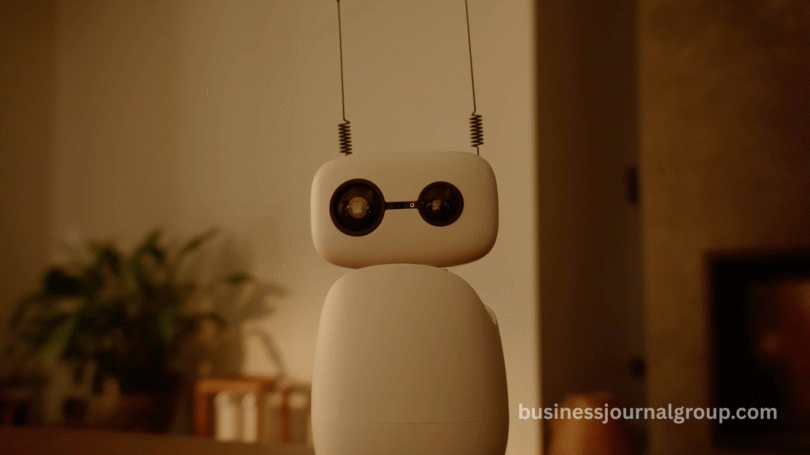

A significant milestone in the evolution of robotics as Hugging Face announces the launch of the Reachy Mini Robot. This groundbreaking development merges artificial intelligence with physical hardware in a way that is accessible, compact, and deeply interactive. As the robotics industry shifts towards smart automation and human-friendly designs, the introduction of this mini robot represents a leap forward in how humans and machines coexist.
Unlike traditional robotic systems that are large, complex, and expensive, the Reachy Mini Robot is designed to be approachable and adaptable. Whether you’re a developer, educator, hobbyist, or tech enthusiast, this AI-powered robot opens up new avenues for learning, experimentation, and collaboration.
With its launch, Hugging Face not only redefines the mini robot category but also strengthens its reputation as a leader in ethical, open-source artificial intelligence.
What Is the Reachy Mini Robot?
The Reachy Mini Robot is a compact, open-source humanoid robot designed to interact with its environment using vision, speech, and movement. Developed in collaboration with the robotics team formerly behind Pollen Robotics, this new iteration of the Reachy platform is smaller, more portable, and much more affordable.
It features:
- AI-driven natural language processing
- 6-axis robotic arm
- Camera-equipped head for visual recognition
- Modular, open-source hardware
- Plug-and-play development environment
These capabilities make it a strong candidate for a wide range of applications, from AI research and classroom demonstrations to prototyping and assistive technology.
Why Hugging Face Entered the Hardware Arena
Hugging Face has long been recognized for its contributions to machine learning with platforms like Transformers and datasets. Their move into robotics may surprise some, but it reflects a growing trend of bringing AI into the physical world.
By launching a mini robot, Hugging Face aims to:
- Showcase real-world applications of open-source AI models
- Encourage responsible AI development and experimentation
- Provide a learning platform for students, researchers, and developers
The company sees robotics as a natural extension of its mission to democratize machine learning. With the Reachy Mini Robot, AI can now interact, adapt, and even learn from the real world.
Features That Make Reachy Mini Stand Out
The mini robot packs a surprising number of features into its small frame. Here are some highlights that make the Reachy Mini Robot exceptional:
Open Source Everything
All components, from hardware schematics to AI software, are open-source. This transparency promotes community collaboration and makes it ideal for academic institutions and independent developers.
Natural Human-Robot Interaction
Reachy Mini can understand spoken language, respond with expressive gestures, and even interpret visual cues using its onboard cameras. This facilitates smoother, more intuitive interactions.
Educational and Developer-Friendly
With support for Python, ROS 2, and pre-trained Hugging Face models, the mini robot offers a flexible development platform. It’s perfect for teaching AI, robotics, and software development simultaneously.
Compact and Portable
Weighing under 5kg and small enough to fit on a desktop, Reachy Mini doesn’t require a dedicated lab or workshop. This makes it accessible to a broader range of users.
Environment-Aware AI
The robot can recognize objects, track motion, and respond to voice commands. This awareness enhances its utility in diverse environments, from homes to research labs.
erdict
If you’re looking for a flexible, AI-native mini robot with real development potential, Reachy Mini leads the pack in 2025.
Applications Across Industries
Reachy Mini Robot is not just a cool gadget. It has real-world potential in multiple domains:
Education
Teachers and universities can use the mini robot to demonstrate principles of machine learning, robotics, and ethics in AI.
Research
AI labs can prototype and test physical-world models without investing in expensive robotics systems.
Healthcare
Mini robots can act as therapeutic companions or communication assistants for people with disabilities.
Retail and Customer Service
Custom-trained versions of the Reachy Mini Robot can provide in-store guidance, information, or inventory support.
Smart Homes
Developers can integrate the mini robot into home automation systems for interactive, voice-driven control.
The Role of AI in Mini Robots
At the heart of Reachy Mini’s success is its seamless integration with Hugging Face’s transformer models and NLP tools. This enables:
- Context-aware dialogue systems
- Sentiment analysis for user interaction
- On-device inference for fast, private responses
Mini robots of the future will need this kind of embedded intelligence to truly function as assistants and companions.
Community and Open Innovation
Hugging Face is actively encouraging developers and institutions to contribute to the Reachy Mini ecosystem. There’s a GitHub repo, developer forums, and collaborative challenges to expand use cases.
This spirit of open innovation makes the Reachy Mini Robot more than a product – it’s a platform.
Frequently Asked Questions
What is the price of the Reachy Mini Robot?
Pricing is expected to start around $1,499, making it more affordable than most full-featured educational robots.
Is the Reachy Mini Robot programmable?
Yes, it’s highly programmable with support for Python, ROS 2, and Hugging Face’s AI APIs.
Can it be used in schools?
Absolutely. It’s ideal for classrooms teaching robotics, AI, computer science, or STEM.
Does it require internet connectivity?
Some features like real-time voice processing may benefit from internet access, but core functions can run offline.
How durable is the Reachy Mini Robot?
It is designed with robust modular parts that are easy to repair or upgrade.
What sensors does it include?
It comes with cameras, microphones, and motion tracking sensors for interactive tasks.
Is the software open-source?
Yes, all code is available under open-source licenses to promote transparency and innovation.
How does it compare to full-sized robots?
While limited in physical capability, the mini robot offers comparable AI functionality in a compact, accessible package.
Conclusion
The 2025 launch of the Hugging Face Reachy Mini Robot signals a new era for personal and educational robotics. With open-source intelligence, intuitive interaction, and real-world application, this mini robot is poised to change how we experience AI on a daily basis.