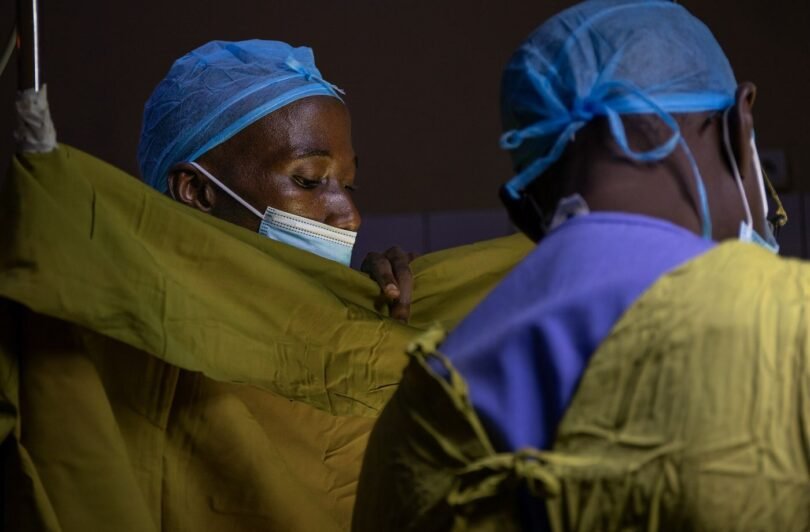

A 58-year-old woman from New Hampshire has become the first person known to live for a full year with a kidney from a gene-edited pig, reaching the milestone on November 22, 2026. Molly Falco received the organ at Massachusetts General Hospital in Boston on November 22, 2025, and doctors at Mass General Brigham say it continues to filter waste from her blood, make urine and keep her fluid and mineral levels in balance. She has named the kidney Lily, after flowers relatives sent following the surgery. The milestone passes the previous record of 271 days, set by Tim Andrews, another patient at the same hospital whose pig kidney was removed in October 2025.
What the Evidence Shows
Falco was the fourth patient to receive a pig kidney at Mass General, and the sixth patient overall there to receive an organ developed by the Cambridge biotechnology company eGenesis, whose kidney, EGEN-2784, she carries. She was born with kidney damage from a congenital condition and had been on dialysis before the transplant; she has not needed hospital admission since February 2026. A formal clinical trial of eGenesis pig kidneys is due to begin in January, and on November 20 surgeons at NYU Langone Health transplanted the first kidney in a separate trial run by United Therapeutics. Experts caution the organs remain experimental, but say the one-year mark shows they can work durably, not just in the first weeks. Reporting and analysis from sources such as The Lancet track the same developments, and specialists following pig kidney transplant one-year milestone say the direction is now consistent across independent lines of evidence.
The Wider Context
Equity runs through every discussion of pig kidney transplant one-year milestone. Interventions that require apps, fees or free weekday afternoons reliably reach the people who need them least, so the programmes earning praise are those designed around clinics, workplaces and community venues that already serve everyone. Evaluation reports now publish uptake by income and region as a matter of routine.
What Happens Next
The practical takeaway on pig kidney transplant one-year milestone is deliberately unglamorous: it works best as part of ordinary, well-delivered care rather than as a standalone fix. Health services are planning on that basis, building the referral routes and follow-up that turn a promising result into population benefit. The gains arrive slowly and then, in the statistics, unmistakably. You can follow related developments in our coverage of health.
It is also worth remembering how quickly the picture in this area has changed before. Positions that looked settled a few years ago have been revised as new data arrived, and the same humility is appropriate now. The strongest coverage of this subject, and the most useful advice, tends to come from sources that update their views openly when the facts move, rather than defending an earlier position long after it has stopped fitting the evidence available.