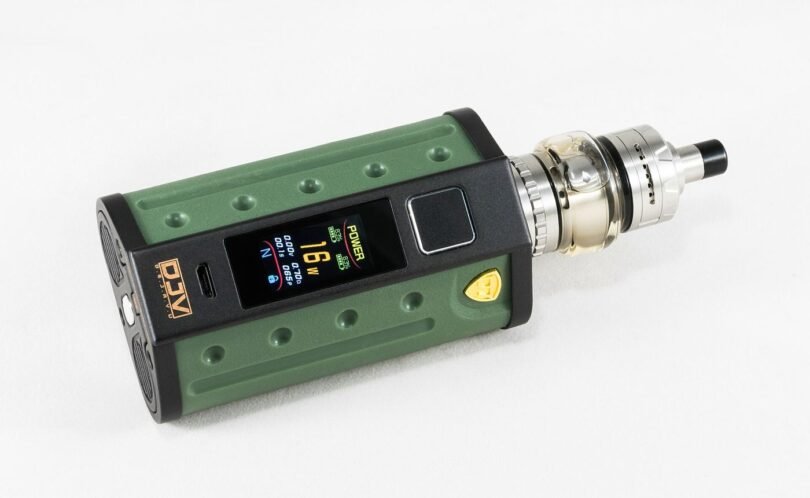

One year after Britain banned disposable vapes, the policy has sharply cut disposable vaping but has not clearly reduced smoking. The ban on single-use vapes took effect on 1 June 2025 across England, Scotland, Wales and Northern Ireland, with retailers facing 200-pound fines for a first offence. A study published on medRxiv in June 2026, based on the Smoking Toolkit Study of 118,946 adults surveyed between January 2022 and February 2026, found that by February 2026 only 5.6 percent of adult vapers mainly used disposables, against 62.0 percent in a scenario where the ban had never happened. Among young adult vapers the figure was 7.1 percent, against 63.6 percent without the ban. Overall vaping prevalence was lower than it would have been: 13.6 percent of adults, against 18.8 percent in the no-ban scenario, and 27.8 percent of young adults, against 39.1 percent. Youth disposable use fell from 42 percent to 13 percent, according to an ASH and YouGov survey published in June 2026.
What the Evidence Shows
The effect on smoking is less clear. Declines in smoking stalled after the ban was announced in January 2024 and briefly reversed among young adults, before resuming their downward trend after the ban took effect. By February 2026 adult smoking was similar to the no-ban scenario, while young adult smoking was possibly 3.3 percentage points higher, though that result was not statistically significant. A separate survey found 13 percent of people who had used disposables said the ban led them to smoke more, while 70 percent said it had no effect on their smoking. Most former disposable users switched to refillable devices: 72 percent of daily vapers made the change. The waste problem also persists, with 6.3 million vapes and pods still discarded every week in Britain, down 23 percent from before the ban. Reporting and analysis from sources such as The Lancet track the same developments, and specialists following the UK’s disposable vape ban say the direction is now consistent across independent lines of evidence.
The Wider Context
Equity runs through every discussion of the UK’s disposable vape ban. Interventions that require apps, fees or free weekday afternoons reliably reach the people who need them least, so the programmes earning praise are those designed around clinics, workplaces and community venues that already serve everyone. Evaluation reports now publish uptake by income and region as a matter of routine.
What Happens Next
The practical takeaway on the UK’s disposable vape ban is deliberately unglamorous: it works best as part of ordinary, well-delivered care rather than as a standalone fix. Health services are planning on that basis, building the referral routes and follow-up that turn a promising result into population benefit. The gains arrive slowly and then, in the statistics, unmistakably. You can follow related developments in our coverage of health.
It is also worth remembering how quickly the picture in this area has changed before. Positions that looked settled a few years ago have been revised as new data arrived, and the same humility is appropriate now. The strongest coverage of this subject, and the most useful advice, tends to come from sources that update their views openly when the facts move, rather than defending an earlier position long after it has stopped fitting the evidence available.